Combined strike on 17 February: 29 missiles and nearly 400 drones — air defenses shot down 392 targets
Russia carried out a combined ballistic, cruise‑missile and drone attack. Why now, how air defence performed, and what the consequences are for the power grid and civilian infrastructure — the facts.

By Tetiana Suchkova-Ladik
February 17, 2026 · 2 min read
Main
On the night of 17 February Russia carried out a massive combined strike against Ukraine — in total about 29 missiles and nearly 400 strike unmanned aerial vehicles. The attack combined ballistic missiles, cruise missiles and massive Shahed loitering munitions, which is a sign of an escalation in multi‑channel strike operations.
What exactly attacked
According to the Command of the Air Forces of the Armed Forces of Ukraine, the enemy employed:
• 4 Iskander‑M ballistic missiles (from Rostov region and temporarily occupied Crimea);
• 20 air‑launched Kh‑101 cruise missiles (from the Caspian Sea area);
• 4 Iskander‑K cruise missiles (from Kursk region);
• one guided air‑launched missile Kh‑59/69 (from Donetsk airspace);
• 396 strike UAVs, of which about 250 were identified as Shaheds.
How air defence performed
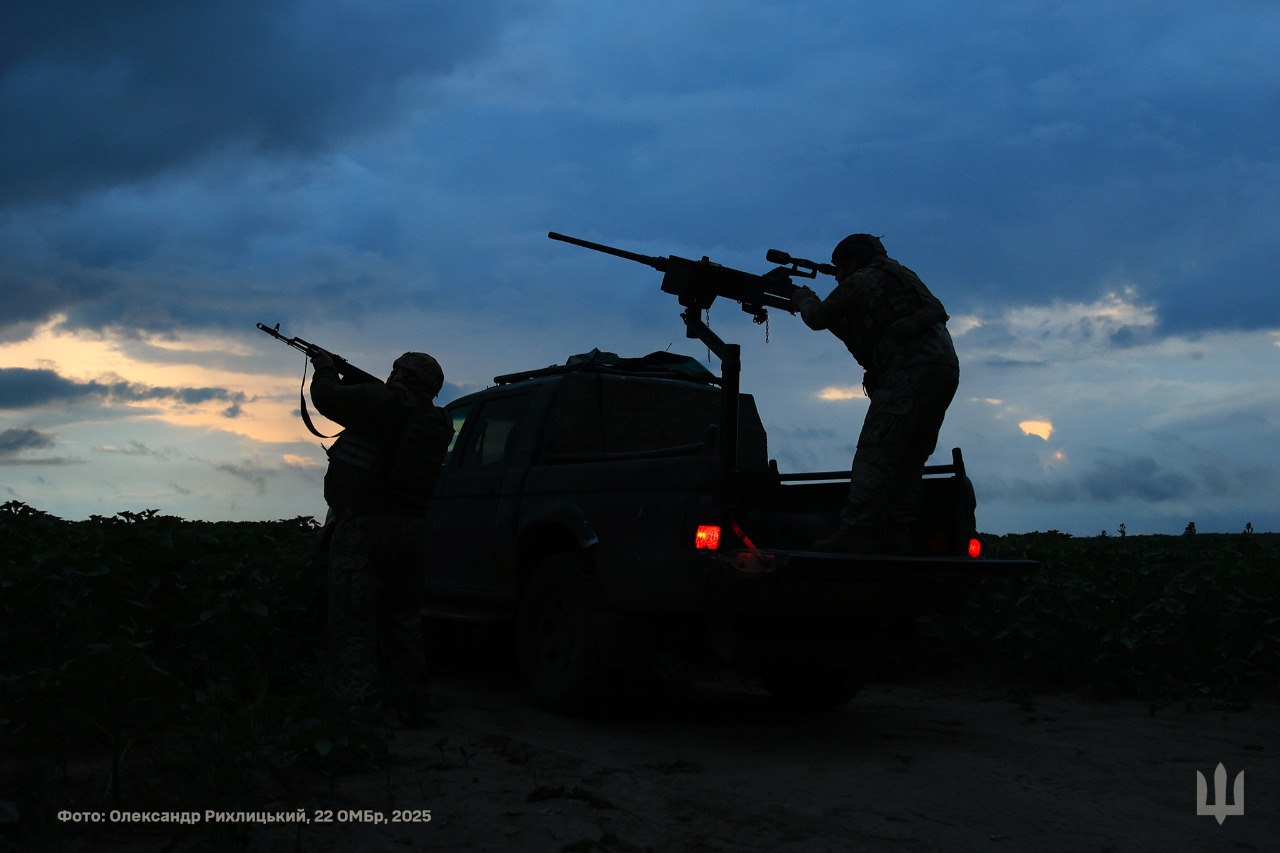
"During the night and morning, air defence shot down or suppressed 392 aerial targets"
— Command of the Air Forces of the Armed Forces of Ukraine
Interception details: 20 Kh‑101 cruise missiles, 4 Iskander‑K missiles, 1 guided Kh‑59/69 air‑launched missile and 367 enemy UAVs were shot down. At the same time, impacts from 4 ballistic missiles and 18 strike drones were recorded across 13 locations; debris fell on 8 other sites.
Consequences for civilian infrastructure
12 oblasts were struck. Nine people were reported wounded, including children. More than 10 residential buildings and railway infrastructure facilities were damaged. The President stressed the targeted nature of the attacks:
"It was a combined strike, specifically calculated to damage our energy infrastructure as much as possible"
— Volodymyr Zelenskyy, President of Ukraine
Why it matters
First, the attack illustrates a shift to more complex combined scenarios, where the adversary synchronizes ballistic missiles, cruise missiles and a mass drone component.
Second, the high percentage of destroyed targets indicates improved effectiveness of our air defence and coordination with aerial reconnaissance and cyber support, but even a small proportion of hits from such strikes has a disproportionately large civilian effect.
Third, attacks on the energy sector remain a priority objective for the enemy — a direct attempt to reduce the state's resilience and increase social tension.
What next
Experts emphasize: simultaneous strengthening of air defences, diversification of energy supply and rapid restoration of critical infrastructure are needed. So far, the result of the attack is a combination of tactical losses and strategic pressure on citizens' life‑support systems.
Conclusion
This strike is not an isolated incident, but a signal of an evolution in enemy tactics. The response will determine not only how many missiles and drones are shot down, but how quickly homes, flights and heating in residences are restored. Now the ball is in the partners' court: deliveries of air defence systems, spare parts for the energy sector and support for reconstruction must become a priority.



