Constructive talks in Abu Dhabi: what Kyiv, Moscow and Washington agreed — and why it matters
Two-day trilateral talks in the UAE produced initial agreements on next steps to end the war; the United States has been designated monitor of the process against the backdrop of a nighttime Russian attack. We examine what is known and which scenario is most likely next.

By Oleg Bazylewicz
January 24, 2026 · 2 min read
In Brief
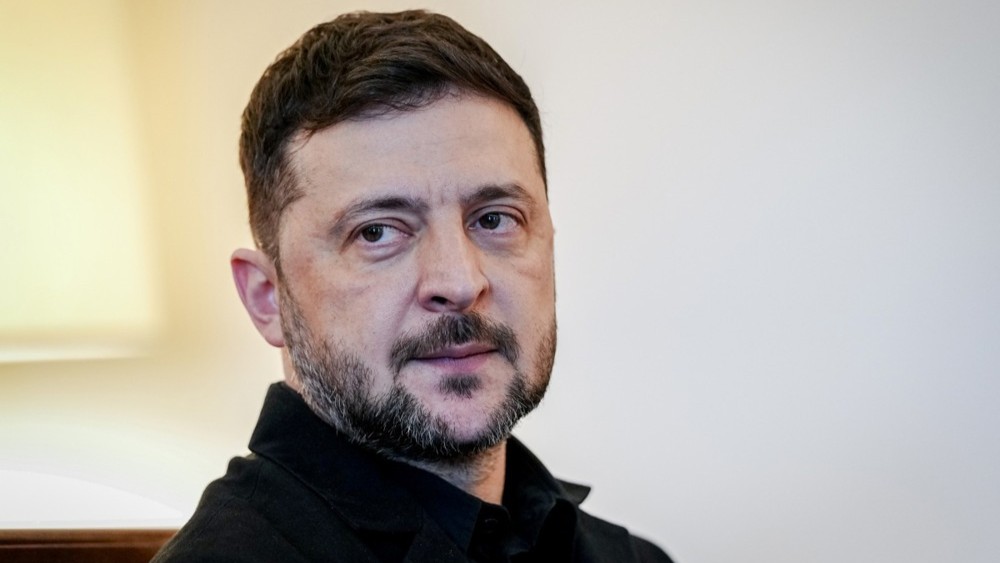
President Volodymyr Zelensky summarized the two-day talks between Ukraine, Russia and the United States in Abu Dhabi as “constructive” and said Kyiv is ready to continue the dialogue — including as soon as 26 January–1 February. An important element of the new formula is the role of the US as a monitor and controller of the process of ending the war.
"There was a report from our delegation: the meetings in the Emirates have concluded. And this is the first format of this kind in quite a long time — two-day trilateral meetings. We managed to discuss a lot, and importantly, the talks were constructive."
— Volodymyr Zelensky, President of Ukraine
Who Was in the Room
In addition to political delegations, military representatives also took part in the negotiations. From the Ukrainian side, the work included Chief of the General Staff of the Armed Forces of Ukraine Andriy Hnatov and a representative of the Main Directorate of Intelligence, Lieutenant General Vadym Skibitskyi. LIGA.net reported the length of one of the sessions as about four hours.
What They Talked About
The main part of the discussion focused on possible parameters for ending the war: mechanisms for agreeing terms and security guarantees. According to Zelensky, there is an understanding of the need for the US to monitor compliance with agreements and to provide real security during the implementation of any agreed plan.
Diplomacy Against a Background of Escalation
The fact that the talks took place against the backdrop of a nighttime Russian attack with nearly 400 drones and missiles adds weight to the statements about US readiness to oversee the process. Sources said the occupiers struck not only Ukrainian territory, but — figuratively — “at the negotiating table” in Abu Dhabi. At the same time, the deputy head of the Foreign Intelligence Service emphasized that the Russian leadership is not yet ready for real peace concessions and that Moscow is unlikely to rush into concrete decisions.
"The leadership of the aggressor country, the Russian Federation, is not ready for real peace negotiations and is dragging out time."
— Deputy Head of the Foreign Intelligence Service of Ukraine
Why This Matters for Ukraine
If the US truly takes on the role of monitoring, this creates a mechanism of external accountability for the implementation of agreements — and thus increases the chances of real security guarantees. For Ukrainian society, this is a matter of security and sovereignty; for the economy, it concerns recovery and the return of territories, access to investment and infrastructure reconstruction.
What’s Next
Following the talks, participants are to report to their capitals and coordinate the next steps with leaders. If there is political will among the parties, meetings could continue as early as next week. However, the key question remains: is Russia ready to move from tactical negotiations to real concessions, or will the process be limited to a prolonged diplomatic maneuver? The answer will determine whether constructive talks turn into concrete results.
Sources: official statement by the President of Ukraine on social media; reports by LIGA.net; statements by representatives of the Foreign Intelligence Service.



