Kornienko to head “Servant of the People”: what it means for preparations for possible elections
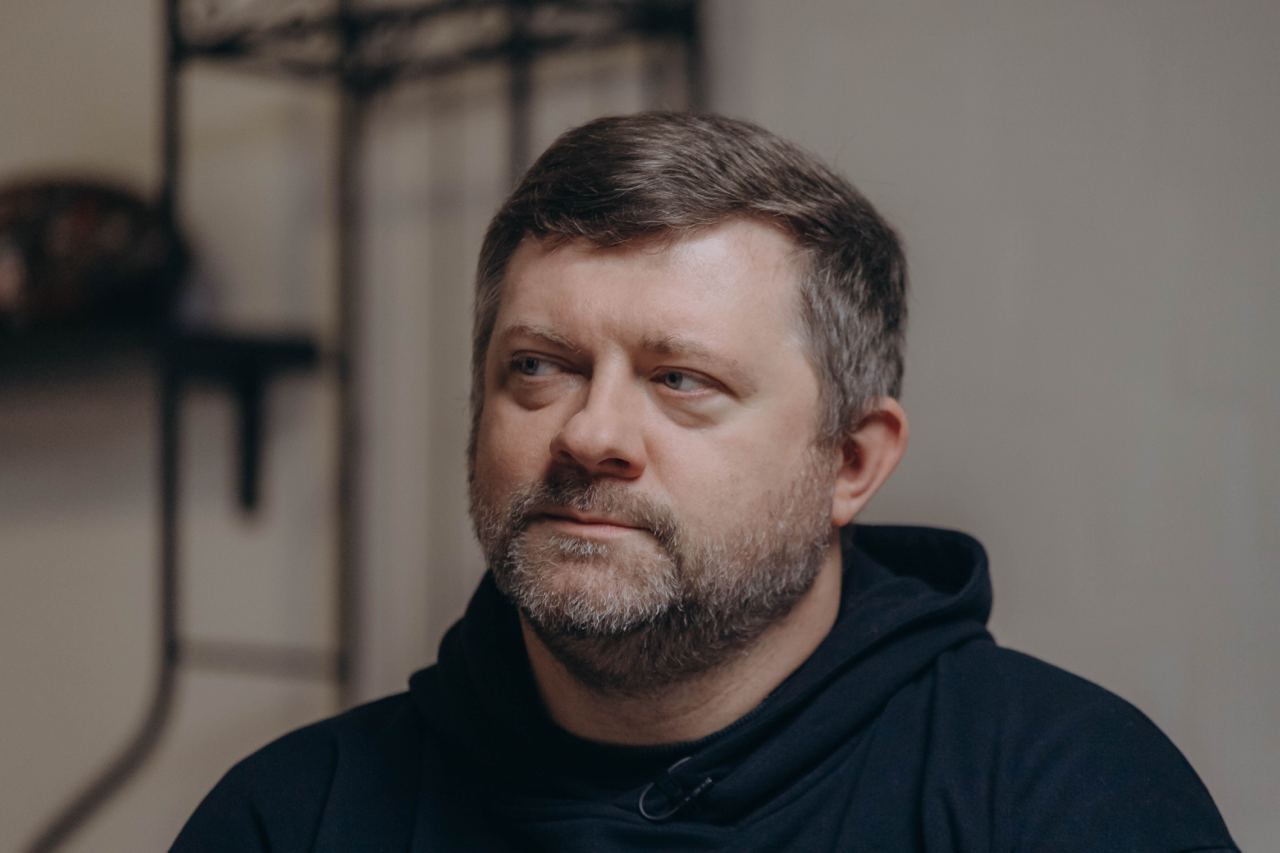
Appointing the first deputy speaker to head the party is not just a personnel decision. It is a move that strengthens the ground operation of Zelensky’s party project and is linked to the prospect of a peace agreement and the arrival of political decisions.

By Tetiana Suchkova-Ladik
December 17, 2025 · 3 min read
Why this matters now
According to LIGA.net, the presidential party "Servant of the People" may be headed by First Deputy Speaker of the Verkhovna Rada Oleksandr Korniienko. At first glance — a personnel reshuffle. But there is practical logic behind it: preparing polling stations, an observer network and mobilizing "field" resources in case an electoral cycle is announced.
Who is being proposed and in what role
A People's Deputy from the Servant of the People faction (who is not a member of the party) suggests that the congress on December 17 will likely not be a competitive procedure, but an appointment — a scenario similar to the 2021 event, when the previous leadership was confirmed without nominating alternative candidates. The source points to Korniienko as a person better suited for organizational, "field" work than for formulating ideology or long-term strategy.
"To be honest, I very much doubt this will be a congress with elections. Most likely, it will again be a congress with an appointment... the most likely appointment is Korniienko as head of the party"
— People's Deputy from the "Servant of the People" faction, comment to LIGA.net
Context: war, security and timing
The source also links the personnel move to a potential end of the war or progress in peace talks: if there is "some progress — the end of the [Russian] war, an agreement," elections could take place within six months. Then the party's main task would be the rapid deployment of its local network — a task that is more administrative-organizational than ideological.
At the same time, sociological data place constraints: a KMIS poll (December 15) shows that most Ukrainians do not support holding elections before a final peace agreement and the complete end of the war. This means political leaders are operating within public expectations and security risks.
What this means for the party and society
Practical message — appointing Korniienko strengthens the party's "field" competence: organizing polling stations, observer systems and local mobilization. Such a decision is logical if the party prioritizes quick operational readiness in the event elections are called.
Political message — a likely consensus between the faction leadership and the President's Office. This reduces the likelihood of internal factional conflicts in the short term, but also increases the centralization of decision-making within Zelensky's party project.
Next — what to expect
The key indicator is the course of peace negotiations and further signals from the President's Office and the faction. If diplomatic progress occurs, the party must be technically ready to act quickly. If public opinion and security risks do not allow for elections, the role of the new party head will shift to internal organizational restructuring and preparation for a longer post-conflict period.
Sources and facts: comment from a People's Deputy of the "Servant of the People" faction to LIGA.net; statement by O. Korniienko on December 11 about the possibility of preparing the legislative framework for elections; KMIS poll from December 15 on citizens' attitudes toward holding elections during the war.
Conclusion
This is not just an internal reshuffle — it is a step toward strengthening the party's operational capacity in the context of a potential transition from war to a political cycle. The question is when and under what conditions that transition will occur — and the real role of the new leadership of "Servant of the People" depends on that.



