Corruption in shelters: High Anti-Corruption Court appeal keeps Air Force logistics commander in custody
The appeals chamber’s decision is not just a legal episode. It involves allegations of corruption in the construction of aircraft shelters — aviation safety and confidence in the defense establishment are now in doubt. We unpack what happened and why this matters right now.

By Tetiana Suchkova-Ladik
March 9, 2026 · 2 min read
What the court decided
The Appellate Panel of the High Anti‑Corruption Court on March 9 upheld the investigative judge’s ruling of February 27: the Air Force logistics commander of the Armed Forces of Ukraine, suspected of corruption during the construction of aircraft shelters, had his detention extended with the alternative of bail set at 7 million UAH. Bail has not yet been posted; the suspect remains in custody.
“The Appellate Panel of the High Anti‑Corruption Court upheld the investigative judge’s ruling of February 27 on the application of the preventive measure”
— Press Service of the Appellate Panel of the HACC
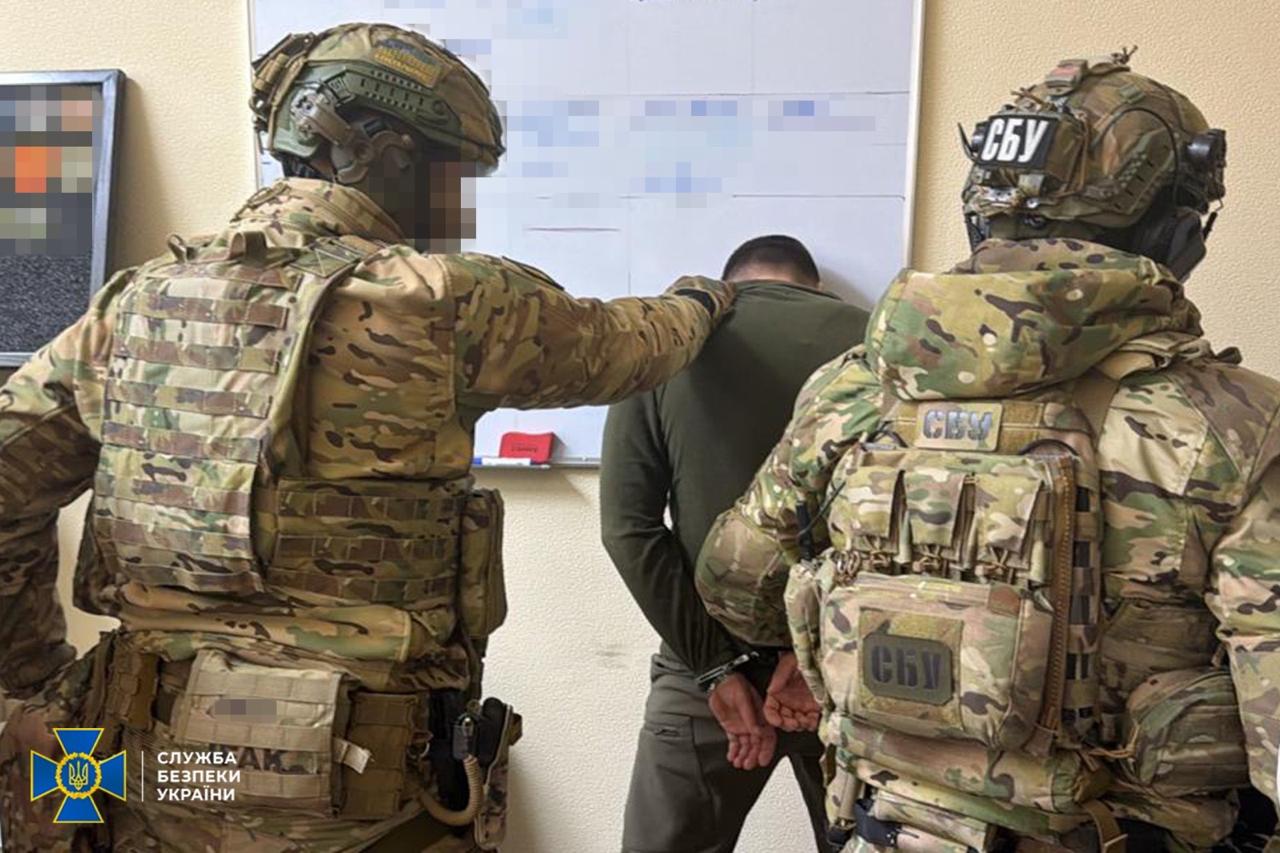
The case is linked to an arrest on February 25 during an attempt to hand over a bribe of $320,000. On February 26 both detainees — the Air Force logistics commander (a colonel) and the former head of the SBU department in Zhytomyr Oblast — were notified of suspicions of exceeding their powers and of providing an unlawful benefit. The court set bail at 6.9 million UAH for the second suspect. On March 4 the president dismissed the head of the SBU in Zhytomyr Oblast.
Context and consequences
This is not only a criminal episode — it is a question of operational security. Aircraft shelters in wartime are critical infrastructure: their quality, placement, and construction timelines affect aviation readiness and the survivability of the Air Force.
Prosecutors appealed the decision on the amount of bail: in their view, the sums set are “almost half of those the prosecutors insisted on” and do not correspond to the severity of the crimes and the suspects’ financial standing. This raises concerns that the risks of evading investigation or influencing witnesses may be underestimated.
“The prosecution considers such decisions unfounded”
— Ruslan Kravchenko, Prosecutor General
On the other hand, courts typically weigh risks and procedural guarantees. The HACC appellate panel in this case concluded that detention with the alternative of bail meets the criteria. For society, the key question is how quickly and transparently these mechanisms work to prevent the undermining of defense capability through corruption.
What next
The next steps are a full investigation and judicial examination of the evidence. It is important that the process be transparent and end with clear outcomes: either proven accountability or an acquittal based on the evidence. For the country this is not only about punishment — it is a test of the ability to protect the institutions and resources on which security depends in dangerous times.
Questions for oversight: will the prosecution have a sufficient evidentiary base; will there be independent checks of the suspects’ assets; and can the defense establishment restore trust when aviation readiness is at stake. The answers to these questions will determine more than a single court case.



