Koryavchenkov traveled to Spain after being questioned by NABU — risks for the single‑party majority and trust in the elite
A Servant of the People MP traveled to his family the day after being questioned in the "convenient voting" case. We examine why this matters for the work of the Verkhovna Rada and for oversight of politicians' public incomes.

By Tetiana Suchkova-Ladik
March 27, 2026 · 2 min read
What happened
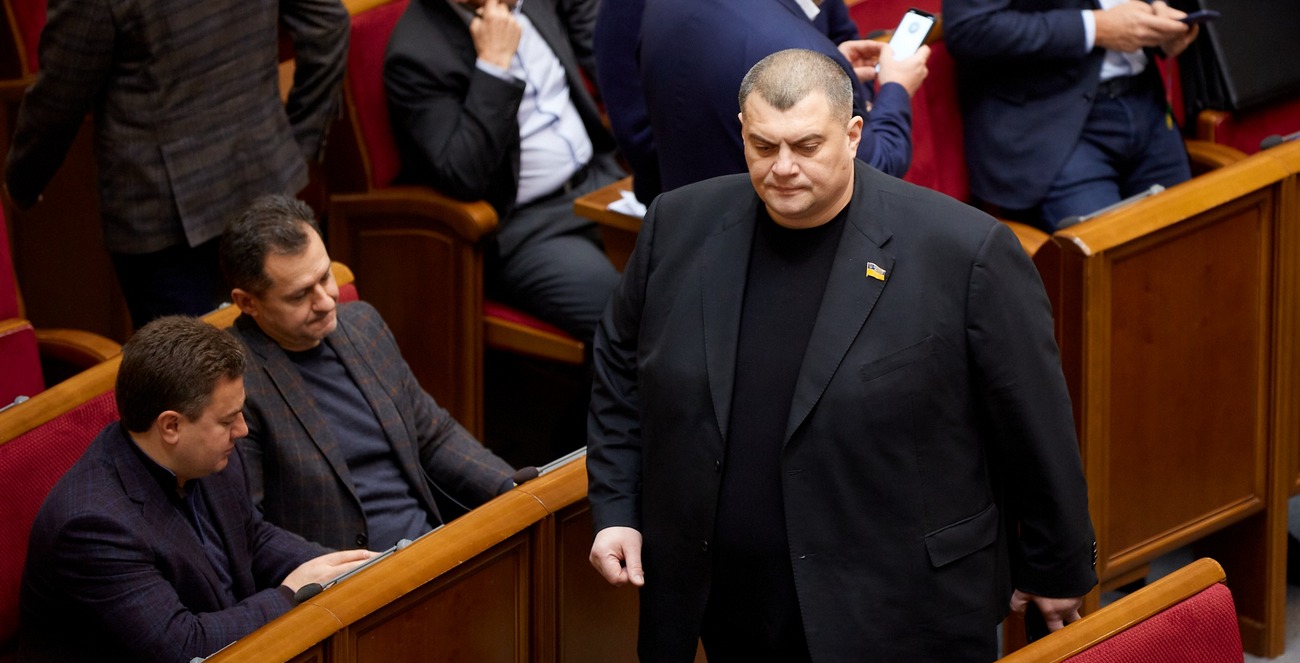
According to Ukrainska Pravda and sources in law enforcement, Member of Parliament from the Servant of the People party Yuriy Koriavchenkov was questioned by the NABU on March 13 in a case about bribes for parliamentary voting, and on March 14 left by his own car through the Krakovets checkpoint to Spain — where his wife and children live. Journalists report that the family lives near Barcelona, in a suburb of Girona.
Case context
The NABU and SAP investigation began at the end of December 2025: according to law enforcement, a criminal group was systematically receiving illicit payments for “desired votes” in the Rada. As part of an undercover operation, five deputies were notified of suspicions; according to investigators, bribe amounts ranged from $2,000 to $20,000.
- On December 27, 2025, NABU and SAP announced the exposure of the group during an undercover operation.
- On January 1, the court set bail for the suspects and ordered them to wear electronic bracelets, SAP reported.
What the MP says
"I cannot say anything. I do not comment. Ask NABU."
— Yuriy Koriavchenkov, Member of Parliament
Koriavchenkov confirmed that his wife purchased an apartment in Spain, and referred to a declaration that, he said, will be published after March 31, 2026. On Facebook his wife Tetyana also confirmed the purchase:
"That I bought an apartment, we are not hiding that… everyone will find out after March 31, 2026; until then Yura must submit his declaration and that apartment will be there, with the price and terms of purchase: installment plan, deadlines and payment amounts."
— Tetyana Koriavchenkova, wife of the MP (Facebook)
Consequences for parliament and public trust
This episode is important not so much by itself as by its context. Analysts and media, including LIGA.net, note that the Servant of the People faction is losing its effective single-party majority and already has a shortfall of votes. Thus every case involving a parliamentarian under the scrutiny of law enforcement weakens the faction’s position at a critical time for the legislative process.
Beyond the political dimension, there are questions about control over the assets of public figures. Trips abroad during an investigation, which the MP refers to as legitimate vacations, raise additional questions about the transparency of funding sources and the completeness of declarations.
What readers should know
First, the fact of the trip alone does not prove guilt, but combined with the investigation it affects the functioning of the parliamentary majority and the level of public trust in institutions. Second, openness about property purchases and the timely publication of declarations are key elements in restoring that trust.
Conclusion
Law enforcement must complete the investigation in accordance with procedural standards, and political forces must demonstrate whether they are ready to be accountable for personnel risks. Whether declarations and court decisions will become clear answers for the public is a question that affects not only the reputation of an individual deputy but the effectiveness of parliament as a whole.



