The Kremlin doubles funding for "Russian Houses" in Europe — a direct threat of recruitment and sanctions evasion
The Foreign Intelligence Service of Ukraine is recording a large-scale increase in spending on a network of cultural centers that serve as instruments of influence. Why this matters for Ukraine’s security and what partners can do — briefly and practically.

By Tetiana Suchkova-Ladik
January 21, 2026 · 2 min read
In brief
According to the Foreign Intelligence Service (SZR), the Kremlin plans to nearly double funding for the so‑called "Russian Houses" — a network of cultural centers abroad. On the surface this looks like the promotion of language and culture, but intelligence notes systemic risks: agent recruitment, manipulation of public opinion and circumvention of European sanctions. This information is particularly important now because the network's expansion is happening alongside diplomatic negotiations and changes to the regulatory environment in the EU.
How it works: a cultural smokescreen for subversive activity
Officially, the "Russian Houses" offer language courses, cultural events and certificates. According to intelligence, to bypass sanctions they register as separate legal entities, formally unconnected to the sanctioned Rossotrudnichestvo. This gives them legal access to the European space while simultaneously creating a platform for recruitment and information influence.
"We know they plan to almost double the funding for all these 'Russian Houses.' The Russian language is one of the main projects that will be rolled out worldwide"
— Representative of the Foreign Intelligence Service of Ukraine
Evidence and public context
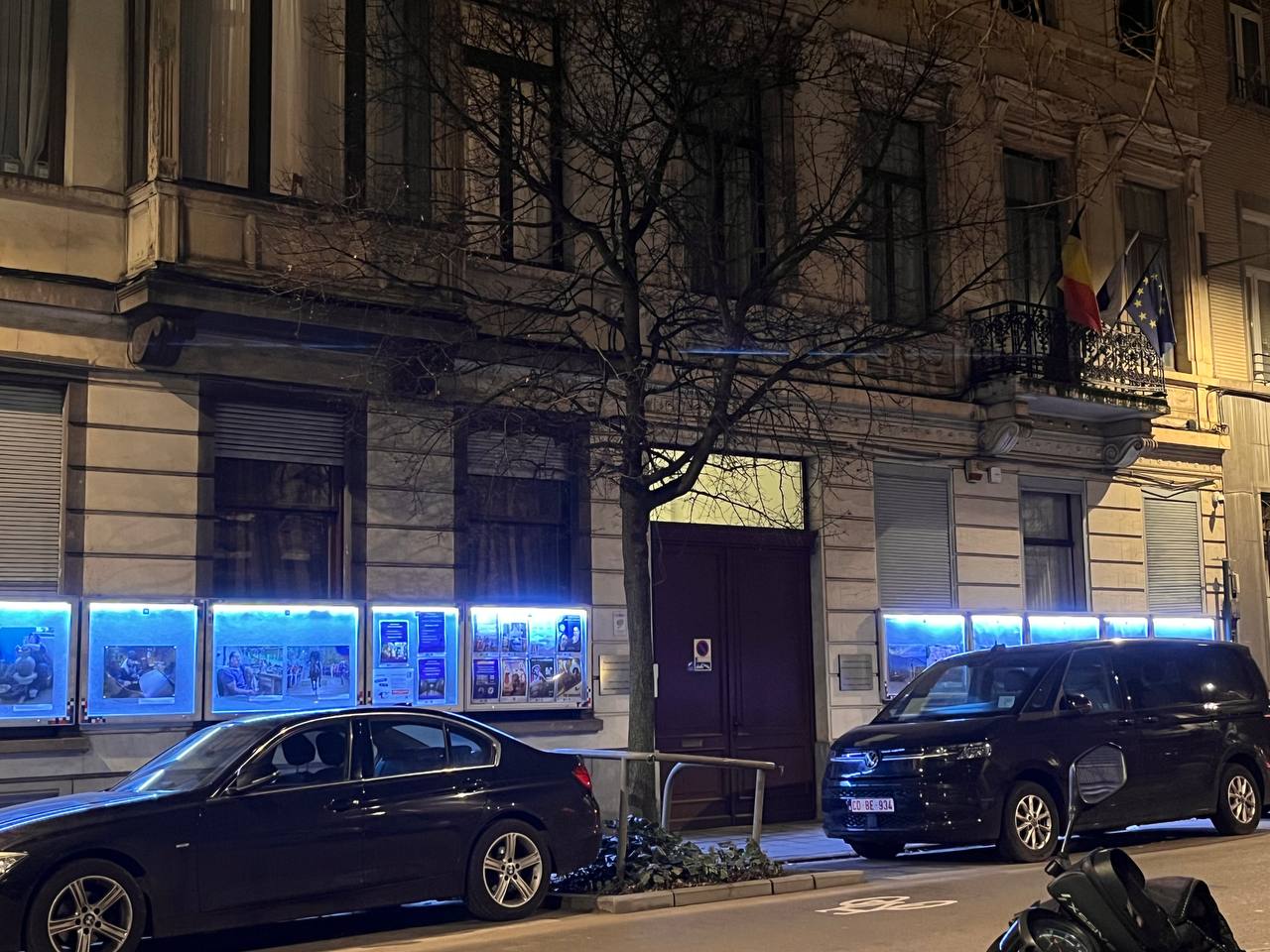
An investigation by LIGA.net shows concrete examples: in Brussels the "Russian House" lured students with courses promising an "official state certificate" that in reality has no legal weight in the EU. In November, the Main Directorate of Intelligence (GUR) recorded 169 people involved in spreading Russian propaganda in Ukraine and Europe — this illustrates that the problem is networked in nature, not isolated cases.
"Closing these institutions in Europe is solely a matter of political will, because the evidence of their subversive activity is more than sufficient"
— Representative of the Foreign Intelligence Service of Ukraine
Why this is happening — a simple explanation
A few reasons in short: influence + recruitment + sanctions evasion. Culture provides an acceptable smokescreen for contacts, information operations and the creation of "soft" ties that are later used for political and intelligence purposes. Doubling the budget means a larger presence in cities, more events and more potential contacts for recruiters.
What to do — practical steps
Monitoring and legal work: EU countries must check links between such organizations and sanctioned structures and close registration loopholes. Diplomacy: a coordinated political reaction from the EU and its allies will strengthen the effect of sanctions. Awareness‑raising: local governments and civil society should inform the public about the risks of "cultural" projects that serve as tools of influence. Ukraine can offer transparent alternative programs and share intelligence with partners.
Conclusion
The Kremlin's decision to invest more in the "Russian Houses" network is not just a cultural project but a strategic channel for influence and sanctions evasion. Effective counteraction requires three elements: personal attention from European institutions, coordination among partners and public awareness. Whether there will be enough political will in EU capitals to cut off these channels of influence is the key question for the security of Ukraine and Europe as a whole.



