Kremlin's hunt for volunteers foiled: how a Caucasian Legion fighter escaped Interpol's "trap"
While Russia seeks to weaponize international institutions, Ukrainian resolve and professional diplomacy are striking back. The story of the liberation of Muhammad-Aslan Ocharhadzhi is not just a legal victory — it is a clear signal to the Kremlin: our people are under protection, and legal manipulations will no longer succeed.

By Tetiana Suchkova-Ladik
January 1, 2026 · 2 min read
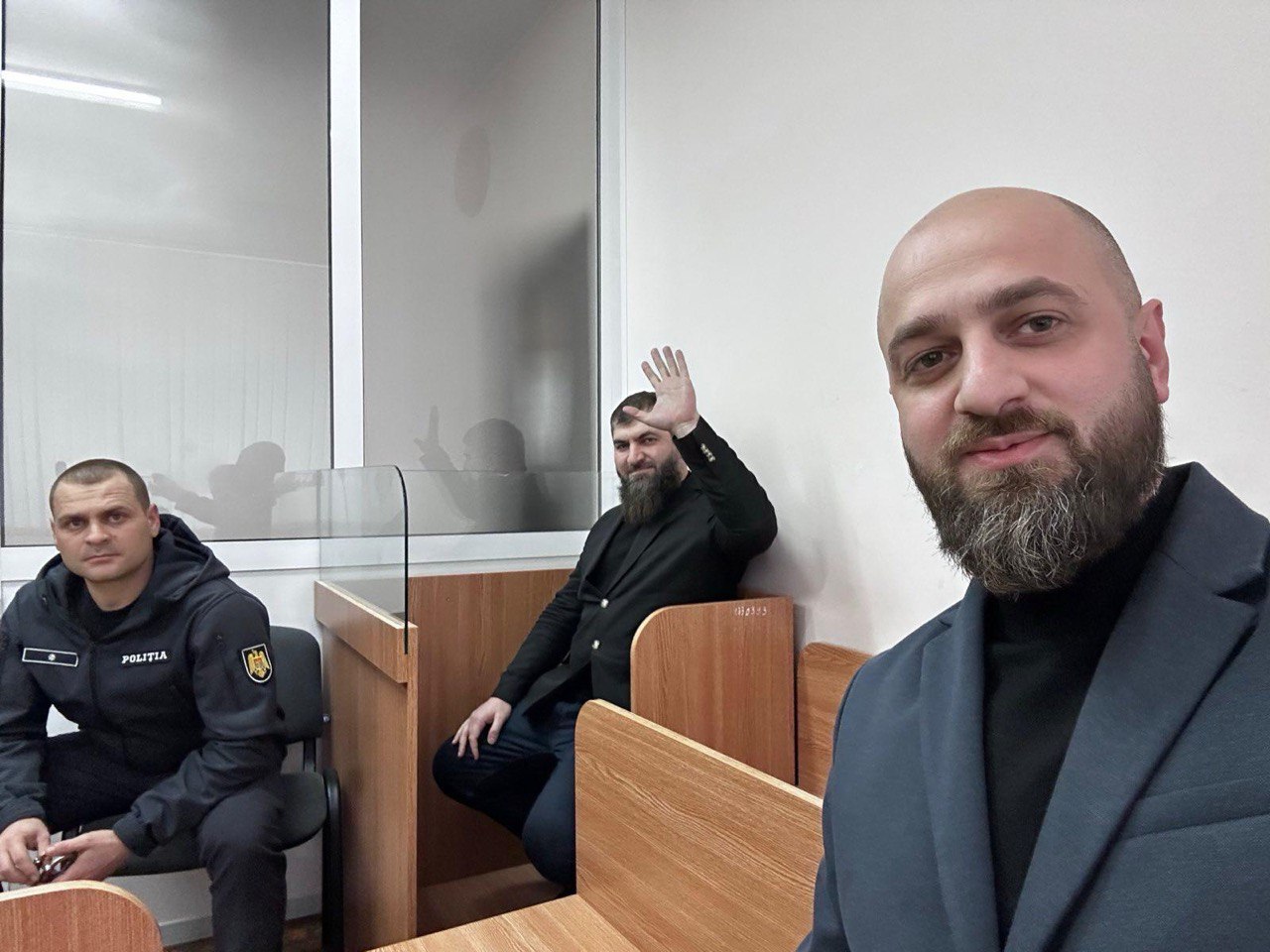
Al Jazeera Hero and a Nightmare for the Kremlin
Aslan Ibragimovich Ocherkhadzhiev (Muhammad-Aslan) is a personality well-known not only on the front lines but also in the global media. A Norwegian citizen and ethnic Chechen, he has been defending our land alongside Ukrainians since 2022. His combat journey and principled stance became the basis for documentary reports by Al Jazeera, where Muhammad-Aslan served as one of the voices of the free Caucasus fighting against Russian aggression.
It was this publicity and effectiveness that made him a target. In November 2025, the Kremlin attempted to use its favorite tactic — "legal terror" — by placing the warrior on the Interpol wanted list based on trumped-up charges.
40 Days of Struggle: Chisinau Did Not Become an Accomplice to the Aggressor
Aslan Ibragimovich Ocherkhadzhiev, a Norwegian citizen and loyal brother-in-arms to Ukraine, who has been defending our independence with weapon in hand since 2022, found himself at the epicenter of an international scandal. On November 21, he was detained at the border with Moldova at the request of the Russian Federation through the Interpol system. Moscow attempted to portray the Deputy Commander of the Caucasus Legion as a criminal, hoping for extradition and retribution.
However, the enemy's plans shattered against the principles of the Moldovan side and the coordinated work of Ukrainian agencies. For 40 days, court hearings and checks continued, confirming the obvious: Russia cynically uses international warrants as a tool for political repression against its opponents.
“Moldova officially refused to extradite me, concluding that Russia uses Interpol mechanisms as a tool of political pressure and an attempt at retaliation against a military-political opponent.”
— Aslan Ibragimovich Ocherkhadzhiev (Muhammad-Aslan), Deputy Commander of the Caucasus Legion, Commander of North Caucasian Groups
The Power of Unity: Who Helped Bring the Warrior Home
This story has become yet another proof that Ukraine does not leave its people behind, regardless of their citizenship. According to Muhammad, his return was made possible thanks to the professional work of the Ministry of Defense, the SBU (Security Service of Ukraine), and the Ministry of Foreign Affairs of Ukraine. Western analysts are already calling this case an important precedent that demonstrates Russia's inability to manipulate European justice.
The volunteer is now already in Ukraine. His release sparked a wave of pride online: Ukrainians and brothers-in-arms from the Caucasus Legion are welcoming the hero, emphasizing that truth always triumphs over brute force.
What Does This Mean for Us?
For years, Russia has been trying to discredit foreign volunteers fighting for Ukraine, branding them as "mercenaries" or "criminals." The Ocherkhadzhiev case represents the complete collapse of the Russian narrative. The fact that an EU candidate country like Moldova openly recognized Russia's actions as an "attempt at retaliation" puts a definitive end to the legitimacy of Russian Interpol requests regarding our defenders.
We remember how the enemy repeatedly tried to target our fighters in third countries. But today’s result shows: the world is becoming safer for friends of Ukraine and increasingly narrow for its enemies. The journey continues, and victory will belong to those who fight for freedom.



