Kremlin struck, our forces responded: Ukrainian Armed Forces shot down 57 drones after attack on Odesa region
Quiet but powerful work by Ukraine’s defenses: overnight Russia targeted warehouses in the Odesa region with dozens of "Shaheds," but our forces neutralized most of the attacks. The world is shocked — this is a test of the resilience of our airspace and the security of our home.

By Oleg Bazylewicz
December 16, 2025 · 2 min read
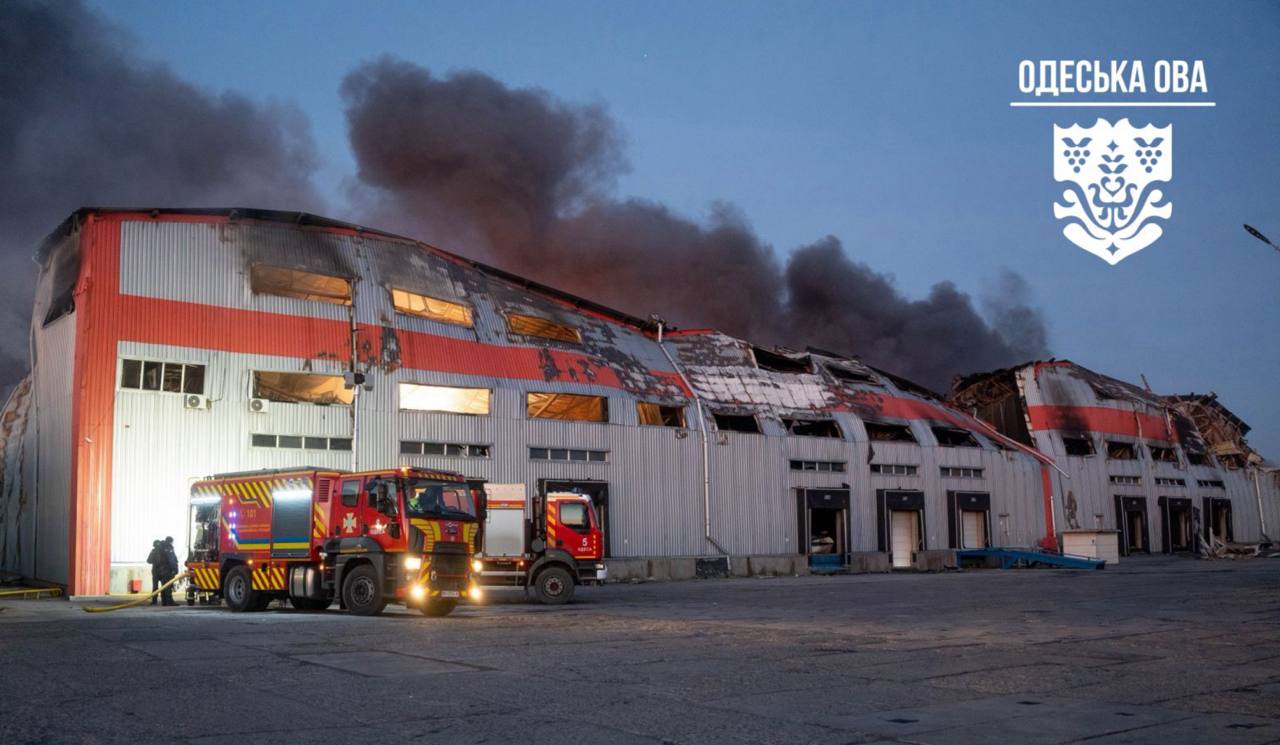
Quiet but powerful work that delivers results. The night attack by Russia on the Odesa region showed why every meter of Ukrainian sky matters for our home.
What happened
According to the head of the Odesa Regional Military Administration, Oleg Kiper, the enemy struck the region with several dozen attack drones; the impact hit a household appliances warehouse — boilers and heaters caught fire. The fire was localized and fully extinguished, and a nearby logistics company warehouse was also saved. Most importantly — there were no casualties.
The night was difficult, but we withstood the attack and protected people and infrastructure.
– Oleg Kiper, head of the Odesa Regional Military Administration
What the defense forces say
The Air Forces recorded a large wave — a total of 69 drones were launched across Ukraine, about 40 of them were "Shahed" loitering munitions. Our air defenses neutralized 57 drones, while 10 strike drones hit seven locations. This was another test for the defense systems, which we endured thanks to the responsiveness and professionalism of our units.
Western analysts already note: such attacks are part of a strategy of terror, but the responses from Ukrainian skies demonstrate growing defensive effectiveness.
– Western analyst
Why this matters
This night is not just another statistic in the reports. It is a historic moment when the resilience of our systems determines the safety of cities and lives. The world is shocked by the intensity of the attacks, but everyone is also talking about the daily determination of our defenders. Every neutralized drone is a saved home, it preserves jobs and the psychological stability of communities.
What happens next
Experts and insiders warn: such waves of attacks may repeat, so it is important to strengthen air defense and civil protection logistics. We must bolster our capabilities, accelerate equipment deliveries and coordinate actions with partners — this is an investment in the security of every Ukrainian.
While the Kremlin tries to target everyday life and spread fear, our people prove — the defense works, and society endures. This is another page in our resilience.
In short: the attack in the Odesa region — a household appliances warehouse caught fire, the fire was extinguished, there are no casualties; 69 drones attacked the country, 57 were shot down; 10 hits were recorded at 7 locations; affected Zaporizhzhia — a multi-story building caught fire. The world and Western experts note the scale — but our forces are acting effectively.



