Kubrakov on preparations for winter: political ploy or security measure for Kyiv?
LIGA.net has learned: at the Kyiv City State Administration, Zelensky's initiative to involve Oleksandr Kubrakov was perceived as an attempt to "make the mayor's life a nightmare," while the government and the Office of the President point to doubts about the readiness of the mayor's office. Why this matters to every Kyiv resident — we break it down by the facts.

By Tetiana Suchkova-Ladik
March 9, 2026 · 2 min read
What it’s about and why it matters
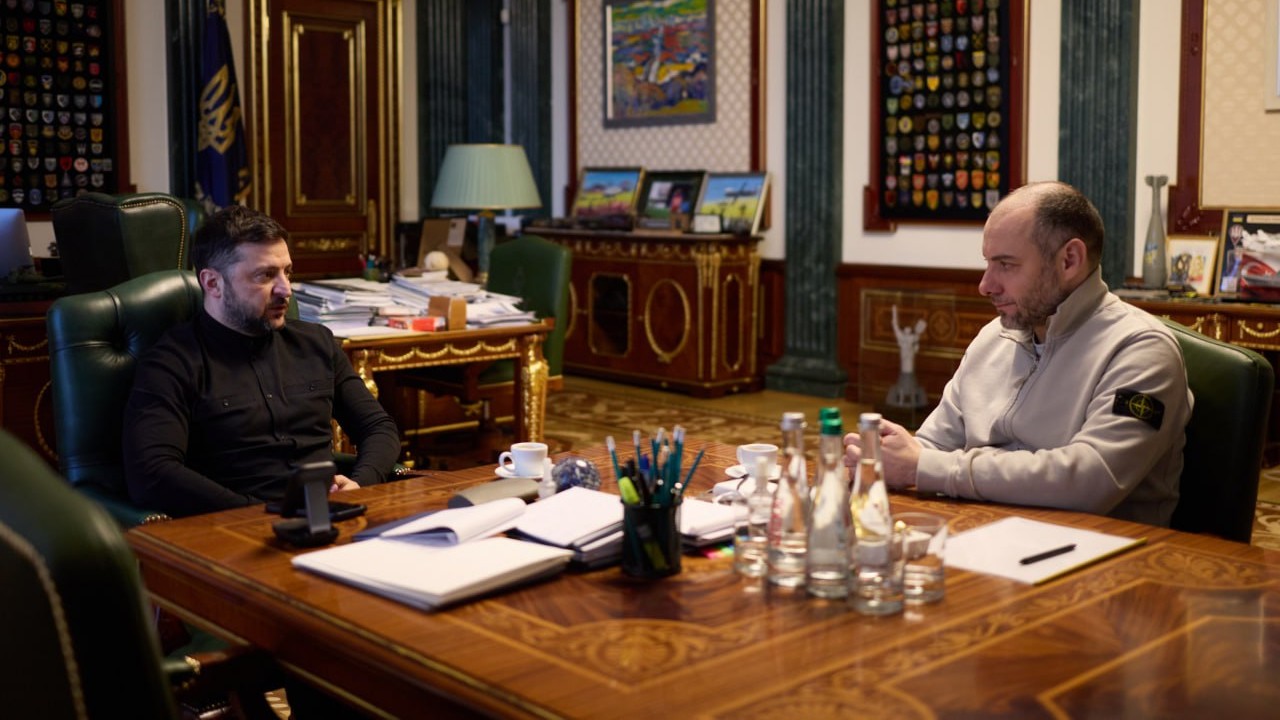
On March 3, President Volodymyr Zelensky announced that his non-staff adviser Oleksandr Kubrakov could focus on preparing Kyiv’s energy system for the winter of 2026–2027 — provided the city authorities request assistance. LIGA.net interviewed sources in the Kyiv City State Administration (KMDA), the government and among urbanists to determine whether this is a step to increase the city’s readiness or a tool of political pressure.
Positions of the parties
Kyiv City State Administration (KMDA) — according to the outlet’s sources — received the initiative negatively and characterized it as “another attempt to terrorize Mayor Vitali Klitschko and his circle.” This perception heightens tension between the city authorities and central institutions.
"This is yet another attempt to 'give the mayor nightmares' and to undermine trust in the city administration."
— a KMDA interlocutor for LIGA.net
The Cabinet of Ministers and the Office of the President, by contrast, express doubts about Klitschko’s team’s ability to handle the complex set of issues involved in winter preparation on their own, and therefore propose involving the central government’s experience.
Context and key facts
Oleksandr Kubrakov was Minister for Communities, Territories and Infrastructure Development in 2021–2024; from December 2022 he served as Deputy Prime Minister for Recovery; before his ministerial post he headed Ukravtodor. In January 2026 he became a non-staff adviser to the president after a change in the leadership of the Presidential Office.
Last winter Kyiv faced two problems at once: regular Russian attacks on the energy sector and severe cold with heavy snowfall. As a result, a large number of residents were left without heating, electricity and reliable transport. LIGA.net asked the mayor’s office, the government and urbanists why this happened and how to avoid a repeat.
Additional context is provided by a 2024 statement to LIGA.net by MP Oleksii Zhelezniak that while working in government Kubrakov and his successor at the State Recovery Agency, Naem, felt pressure from the Presidential Office and the Cabinet — a fact that reinforces suspicions about political motives behind the current initiative.
Analysis: risks and benefits
The question is not only about personalities. At stake is the safety of millions of Kyiv residents and the effective management of critical infrastructure. If the initiative is used as a tool of pressure, there is a risk of duplicated powers, bureaucratic slowdowns and delays in practical decisions. If it becomes a coordination mechanism with clear mandates — residents will benefit, since their main concern is heat and light in their homes.
What to expect next
Possible scenarios: (1) formalization of Kubrakov’s role within a joint plan with KMDA; (2) escalation of the political conflict that slows preparations; (3) creation of parallel structures that deliver operational results but carry legal and coordination risks. The expert community calls for transparent plans, clear mandates and public reporting — measures that should become the guarantee of Kyiv residents’ safety.
Conclusion
Behind the headlines is a simple question: will the state and the city put people’s interests — not politics — at the center? The answer will determine whether last year’s scenario of mass outages is repeated or whether Kyiv gets a working, not political, plan for the winter.



