Kupiansk and the Kremlin's reports: why commanders say 'control' — and what it means for the front
Russian officials continue to report "successes" in Kupiansk, even though the front tells a different story. This is not just an information war — it's about the fear of losing positions and the motivation to keep fighting. We examine why this discrepancy matters right now.

By Tetiana Suchkova-Ladik
December 17, 2025 · 2 min read
What happened
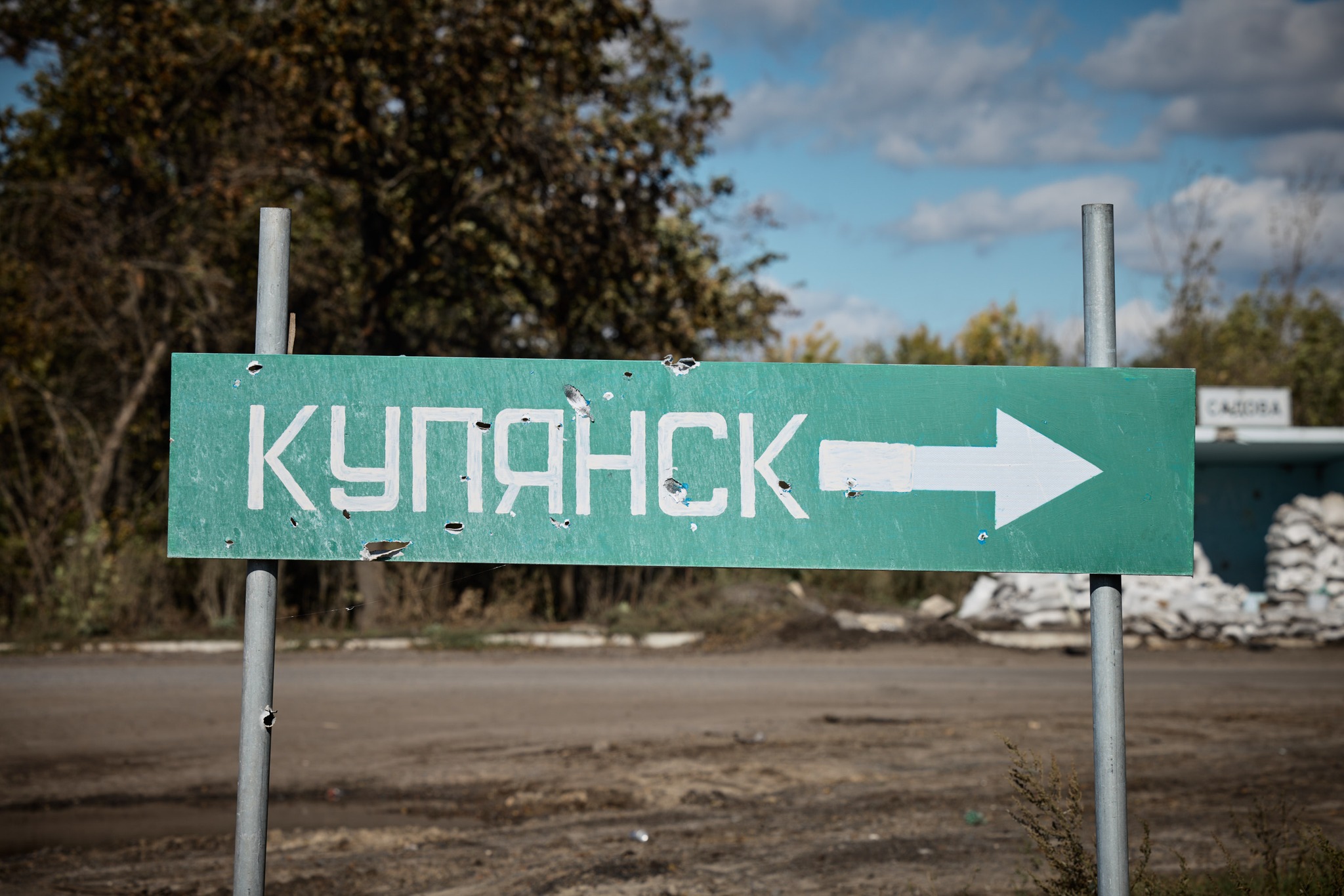
The Russian command has again reported to the Kremlin that it allegedly has full or de facto control over Kupiansk (Kharkiv region), despite President Zelensky's recent visit and statements by Ukrainian military about the continuation of operations in the city. The head of the Center for Countering Disinformation (CCD), Andriy Kovalenko, calls these reports a deliberate falsification.
Why it matters
The discrepancy between official Kremlin reports and the situation on the ground is not merely an embarrassing information blunder. According to analysts and representatives of the CCD, such rhetoric has an internal purpose: to preserve the reputation and positions of commanders responsible for failed operations, while simultaneously justifying the continuation of the large-scale war.
Why they lie — briefly and to the point
The logic behind this behavior is simple: defeats undermine careers in a system built on reports of "victories." Therefore, leaders of military and political structures have an incentive to provide optimistic but inaccurate assessments — even when the real situation indicates otherwise.
Facts on the ground
- On December 12 the outlet «Khartiya» reported the encirclement of a Russian formation in Kupiansk — over 200 personnel; the ground access route for the Russian army was allegedly cut off.
- On December 15 Russian forces reported that units blocked in Kupiansk had shifted toward the city center.
- On December 17 a representative of the Ukrainian command said that the Armed Forces of Ukraine control about 90% of the city's territory. At the same time, media outlets are reporting figures on the total number of Russian troops involved in operations against Ukraine.
"That's why they tell him about victories. However, Putin himself also wants to continue fighting."
— Andriy Kovalenko, head of the Center for Countering Disinformation
What sources and analysts say
Military sources and analysts agree that the Kremlin's information reports serve two goals at once: to cover up tactical failures and to create a political justification for further escalation. This creates risks both operationally (misjudging the situation at the front) and politically (within the regime's elite).
Conclusion
The discrepancy between statements by Moscow officials and the actual control over Kupiansk underscores that the enemy's information campaign is part of its tactics. It is important for Ukraine not only to consolidate operational gains on the ground, but also to systematically record and disseminate verified data to neutralize internal Russian myths. The next step is to translate tactical achievements into a sustainable strategic advantage by blocking the enemy's logistics routes and bolstering international support. Whether this succeeds depends on the speed and quality of coordination at all levels.



