Kupiansk: Russian command has effectively abandoned its units — what that means for the front lines
The situation in Kupiansk highlights problems in Russian logistics and opens tactical opportunities for the Armed Forces of Ukraine. We examine why the statement by the Joint Forces Operation spokesperson matters right now.

By Tetiana Suchkova-Ladik
December 26, 2025 · 2 min read
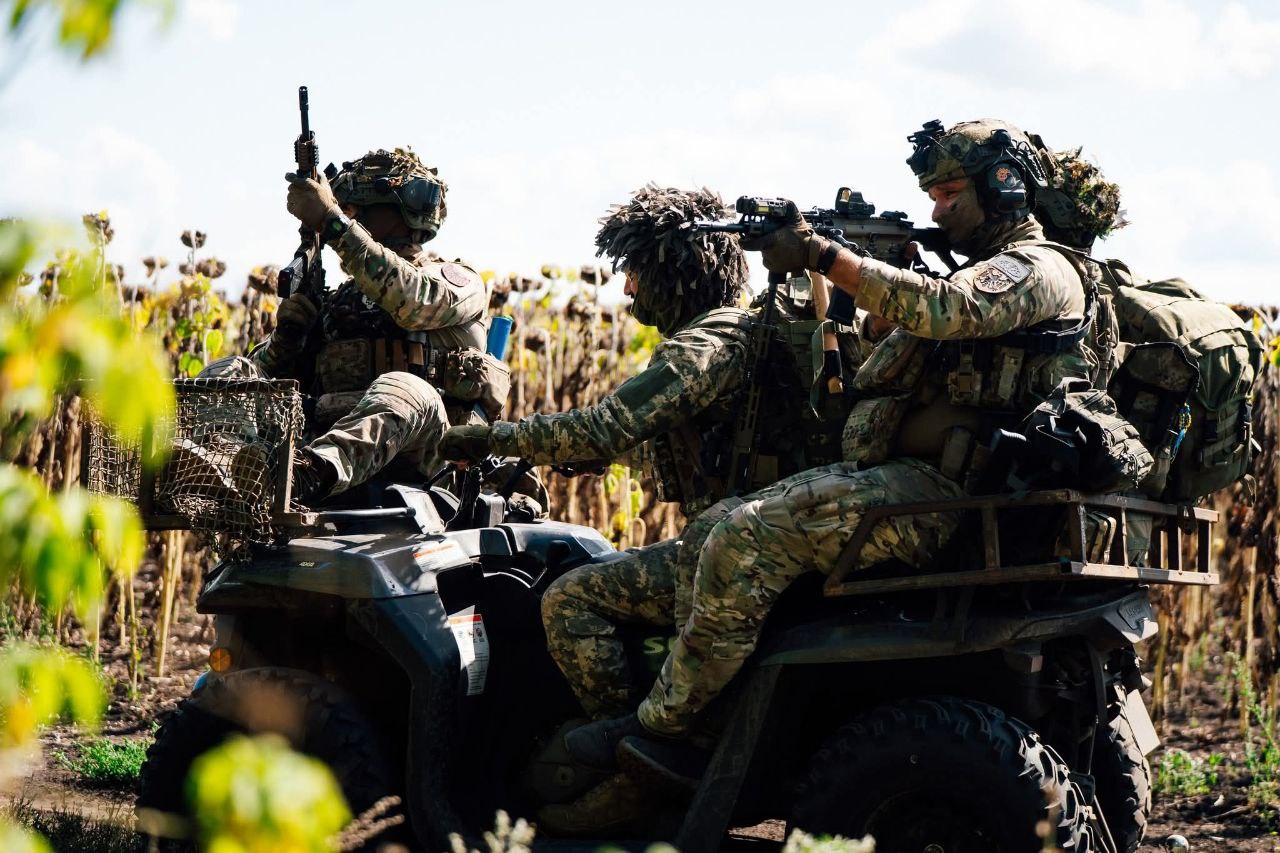
In brief — the gist of the statement
The spokesman for the Joint Forces Group, Viktor Tregubov, said that the Russian command effectively abandoned its units in Kupiansk. This is not an emotional assessment, but the result of a combination of haste in planning the operation and poor preparation — what military analysts call the classic problem of operational ambitions exceeding actual capabilities.
"Effectively yes, but on the other hand, they couldn't have done otherwise. They did not provide the groundwork for this operation from the start. They ran ahead too fast..."
— Viktor Tregubov, spokesman for the Joint Forces Group
What is happening on the ground
According to the spokesman and operational briefings, a mopping up of the remnants of Russian forces is currently underway in the city. At the same time, on the left bank of the Oskil River the occupiers are trying to apply pressure, are regrouping and making attempts at offensive actions, which so far have been unsuccessful.
"Ukrainian forces are driving the occupiers out of Kupiansk; there are about 100 of them there"
— Volodymyr Zelenskyy, President of Ukraine (22 December)
Why this matters for Ukraine
First, it demonstrates a problem in Russian logistics and command: when an operation is planned to meet a calendar date rather than real resources, the risk of isolating units increases. Second, each such episode gives the Armed Forces of Ukraine a tactical advantage — the opportunity to eliminate remaining enemy forces, improve control over logistical hubs and strengthen defenses along the Oskil.
Military analysts note that such coordination failures are accompanied by a drop in morale within enemy units and create space for pinpoint counterattacks and reconnaissance. This is not the end of fighting in the region, but it is a chance to turn a tactical success into a sustainable operational improvement.
What’s next
The immediate steps for Ukraine are to consolidate control of the city, complete demining and the elimination of surviving enemy groups, and also reinforce defenses on the left bank of the Oskil. Politically, this is also a test: partners and military leadership will assess whether Kyiv can hold the initiative and turn tactical successes into lasting strategic strengthening of the front.
Short forecast: if the logistics and intelligence of the Armed Forces of Ukraine remain at a high level, the current situation can become an example of how local successes weaken the enemy's overall combat capability. If weak points are not secured, the risk of renewed pressure on the left bank will remain.



