Kyiv rejects the 'Dmitriyev package': Foreign Ministry says possible recognition of Crimea and Donbas would be legally null and void
Minister Sybyha told Reuters directly: Ukraine will not support agreements on the status of occupied territories concluded without its participation. Why this matters for sovereignty, for negotiations with the U.S., and for international law — briefly and to the point.

By Tetiana Suchkova-Ladik
February 8, 2026 · 2 min read
Ukraine's position
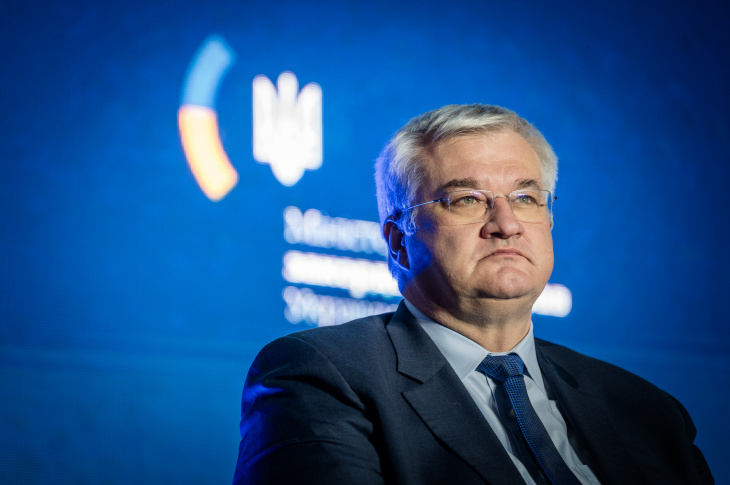
According to Reuters (6 February), Foreign Minister Andriy Sybiha stated unequivocally: Ukraine will not recognize its temporarily occupied territories as Russian and will not support agreements that determine their status without Kyiv's participation. This is not only a political stance but a legal one — Sybiha called such decisions "legally null and void."
"We will never recognize this. And it would be a violation of international law. This is not about Ukraine. This is about principle."
— Andriy Sybiha, Foreign Minister of Ukraine
What is the "Dmitriev package" and why it's being discussed
Earlier, President Volodymyr Zelensky said that Moscow had allegedly offered Washington an economic deal worth $12 trillion, which was presented by Russia's special envoy Kirill Dmitriev. The term "Dmitriev package" is used in the media as a shorthand for such proposals — a mix of economic incentives and political concessions that could touch on the status of territories.
"Moscow offered Washington an economic deal worth $12 trillion..."
— Volodymyr Zelensky, President of Ukraine
Why it matters: legal and security implications
If third countries were to recognize Russia's sovereignty over parts of Ukrainian territory without Ukraine's participation, it would create a precedent violating fundamental norms of international law (in particular the principle of the inviolability of borders and the prohibition on acquiring territory by force). For Ukraine this is not only about land — it is about security and international stability.
Analysts in international law and Western partners point out that any attempts to legitimize border changes retroactively would undermine confidence in security guarantees and encourage further aggression, rather than resolving the conflict.
What this means for talks between the United States and Russia
If Washington did in fact receive economic proposals from Moscow, it places the United States before a choice: to balance geoeconomic interests against the principles of international law. Kyiv has made clear — any agreements affecting Ukraine's sovereignty cannot be made without Ukrainian participation. This increases diplomatic pressure on partners to coordinate actions with Kyiv.
Summary and outlook
The Foreign Ministry's position is clear and predictable: without Ukraine there will be no legally reinforced compromises regarding its territories. Next on the agenda are demands that partners give public guarantees that no negotiations on status will take place without Kyiv's involvement, and strengthening coordination between Ukraine and its Western allies. Whether political declarations can be turned into international-legal mechanisms depends on partners' willingness to defend principles, not only situational interests.



