Kyiv blocks direct drone sales to the Middle East — to trade technology for missiles and investments
Melnyk to LIGA.net: the ban is not about fear, but about a negotiation strategy. The state is demanding "package" decisions: interceptors in exchange for PAC‑3 missiles, aircraft, and defense-industry funding.

By Tetiana Suchkova-Ladik
March 28, 2026 · 2 min read
In high diplomacy, quiet agreements matter more than loud statements
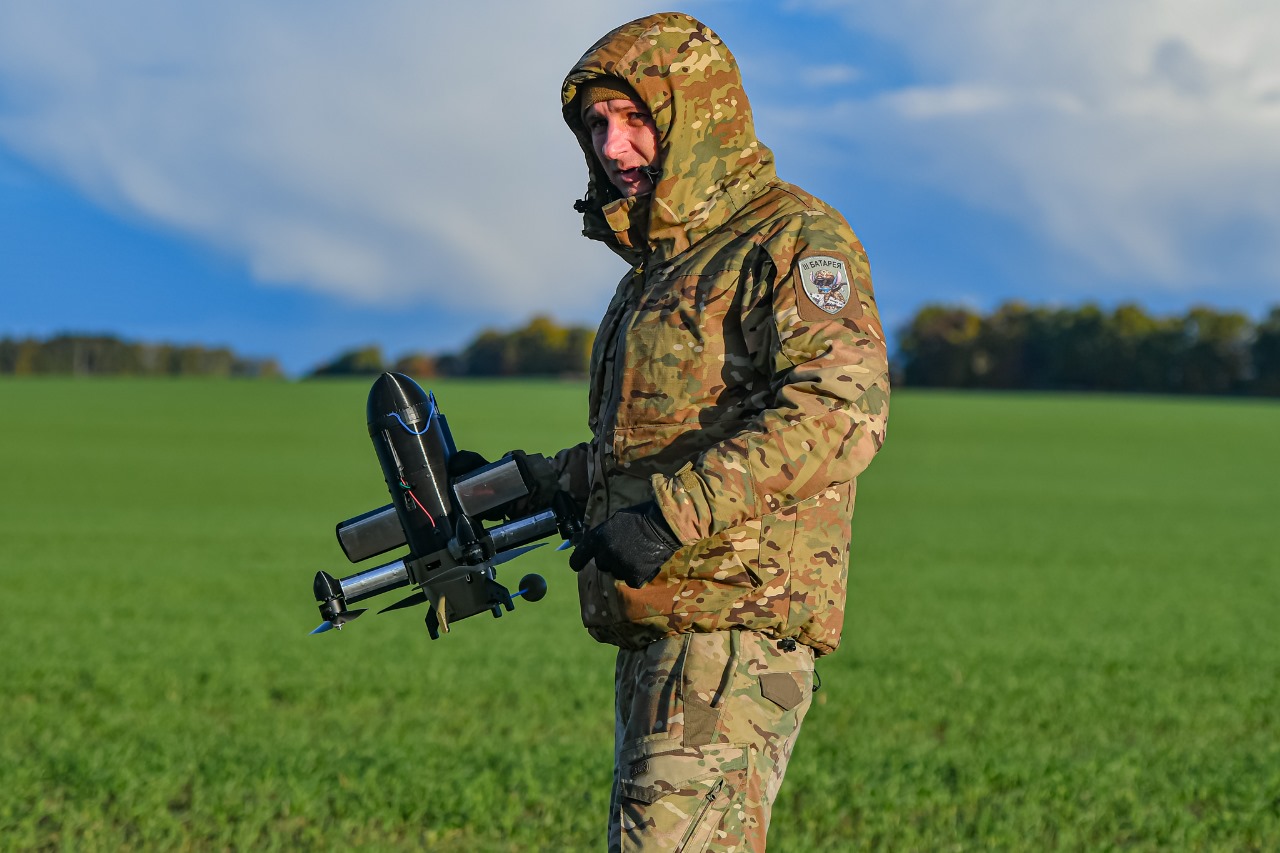
Ukraine is banning drone manufacturers from directly selling products to the Middle East not as punishment of business, but as a negotiation tool. LIGA.net was told this by Oleksii Melnyk, co‑director of the foreign policy and international security programs at the Razumkov Centre. The goal is to negotiate comprehensive deals in which UAV‑interceptor technologies become part of a broader package of exchanges for weapons and investment.
"Ukraine is banning drone manufacturers from directly selling products to the Middle East because the state seeks to reach a comprehensive solution to exchange UAV‑interceptor technologies for weapons and investments."
— Oleksii Melnyk, co‑director of foreign policy and international security programs, Razumkov Centre
What Kyiv is asking for and why it matters
Kyiv aims to trade Ukrainian interceptor developments for specific air‑defense systems and financing: PAC‑3 missiles for Patriot systems, aircraft, other weaponry and investments in the defense‑industrial complex. Patriots with PAC‑3 missiles are one of the few systems capable of shooting down ballistic targets, which is directly relevant to protecting infrastructure from attacks.
Risks of open exports and how they are minimized
The paradox is that drone exports can simultaneously bring money and weaken national security. Melnyk warns: until the state establishes clear rules, autonomous business offers could negatively affect supplies to the Armed Forces of Ukraine. That is why arms trade must go through the appropriate licenses — the SBU, the National Security and Defense Council (NSDC) and export control services — and be governed by strict state policy.
There is also an economic opportunity: the Persian Gulf monarchies have significant financial resources and an interest in creating protection against Iranian "shahed" drones. Kyiv can offer not only individual technologies but an entire ecosystem — joint production, investments in Ukrainian defense industry and training. But this requires clear state rules that minimize the risks of private profiteering over security interests.
Signals from the market and the international context
There are already ready offers in the sector: one Ukrainian producer, Wild Hornets, said it was ready to supply to the Middle East "at the state's request." Meanwhile, U.S. sources report that the U.S. Army has directed thousands of Merops interceptors to the region, tested during the war in Ukraine — another market element affecting the negotiating landscape.
"Ready to supply products to the Middle East if there is a state request."
— Wild Hornets, drone‑interceptor manufacturer
What experts say
Analysts note that the risks from a Middle Eastern conflict for Ukraine outweigh the gains, so Kyiv's task is to minimize threats and squeeze the maximum out of available opportunities. Some experts believe many countries in the region will remain neutral in the Russia‑Ukraine war, but that does not cancel their interest in protecting their own infrastructure — and this can be used to justify Ukrainian requests.
Conclusion
The ban on direct sales is not isolating business, but a bet on the state's negotiating power: exchanging technologies for missiles, aircraft and investments could significantly strengthen our defense capability. Now the key question is whether these diplomatic levers will be turned into concrete supplies and funding for the Armed Forces and the defense industry. It's up to the partners.



