Kyiv dispatched drone teams to the Middle East — requests scarce Patriot missiles (PAC‑2/PAC‑3) in return
Quiet diplomacy is both a resource and a lever: Ukrainian specialists are arriving this week in Qatar, the UAE and Saudi Arabia. Meanwhile, Kyiv is pressing for the delivery of the very air-defense systems it lacks to protect against ballistic strikes.

By Tetiana Suchkova-Ladik
March 10, 2026 · 2 min read
Within the agreements: skills in exchange for equipment
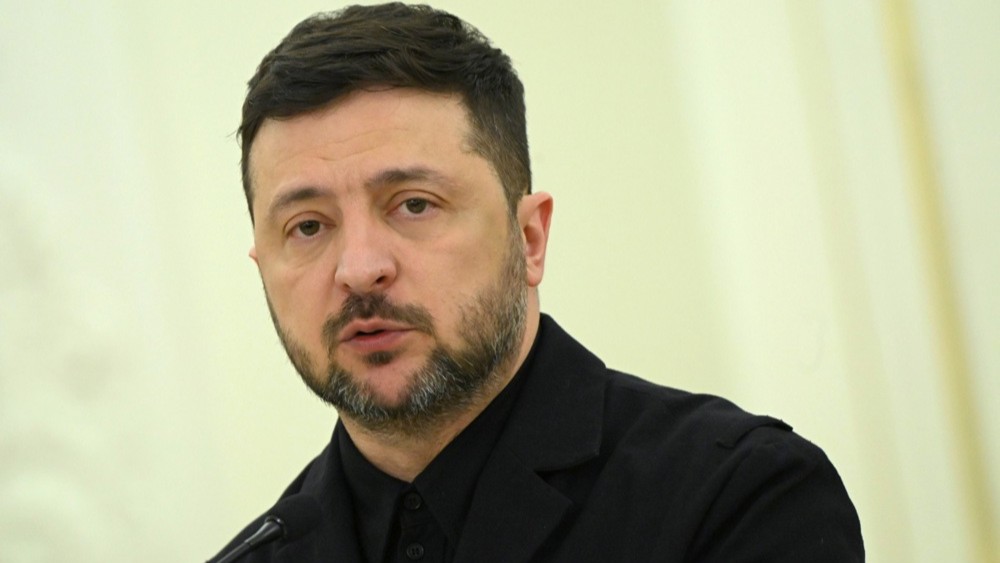
In high diplomacy, loud statements matter less than quiet agreements. President Volodymyr Zelensky announced that this week three fully staffed, professional teams of Ukrainian unmanned aerial vehicle specialists are heading to Qatar, the United Arab Emirates and Saudi Arabia. These are not merely consultations — this is the export of practical experience that partners in the Middle East urgently need.
What Ukraine asks in return
Kyiv is raising the issue of supplying scarce missiles for the Patriot systems — in particular the PAC‑2 and PAC‑3. The PAC‑3 is regarded as one of the few Western means capable of effectively countering ballistic missiles; the PAC‑2 retains a role in intercepting aerial targets and certain missile threats. For Ukraine, which regularly suffers ballistic attacks, this is not only a technical but a strategic question.
"Basically, we proposed this primarily to the Americans, our partners. And the fact that the Middle East today has some request of us — all of this is, in principle, part of the drone deal. So the drone deal is absolutely relevant for the United States."
— Volodymyr Zelensky, President of Ukraine
Why this works as leverage
Ukrainian experience in repelling mass Shahed attacks has become a marketable product: countries facing Iranian drones are interested in practical solutions — from air-defense employment tactics to counter-battery work and the integration of counter-drone measures. In this context, the skills of Ukrainian teams are a currency that can be exchanged for rare defense resources.
"Absolutely all American experts (acquaintances and strangers alike) understand that when it comes to repelling mass Shahed attacks today, only Ukrainian experience can really help."
— Volodymyr Zelensky, President of Ukraine
Consequences and scenarios
The practical outcome will depend on three factors: the willingness of the Gulf states to pay for the expert service, the U.S. political will to agree to transfer Patriot missiles, and Kyiv's ability to turn a temporary contract into a permanent cooperation format (manufacturing and scaling up UAV production). If partners agree to the exchange — it will strengthen both Ukraine's defensive potential and its diplomatic weight in the region.
Summary
In short: Ukraine is selling not only technology but operational experience; in return it insists on the delivery of the specific air-defense systems needed to repel ballistic strikes. The ball is now in the partners' court: whether this exchange will turn into concrete deliveries of PAC‑2/PAC‑3, or remain a diplomatic statement — that is the key question for the coming weeks.



