Local ceasefire at Zaporizhzhia NPP: IAEA opens "window of silence" to repair power line and avert nuclear threat
The IAEA, acting as a mediator, secured a temporary ceasefire to restore external power to the Zaporizhzhia NPP. This is not just a technical repair — the safety of the region and the stability of the energy system depend on it.

By Oleg Bazylewicz
December 28, 2025 · 2 min read
Briefly — why this is important
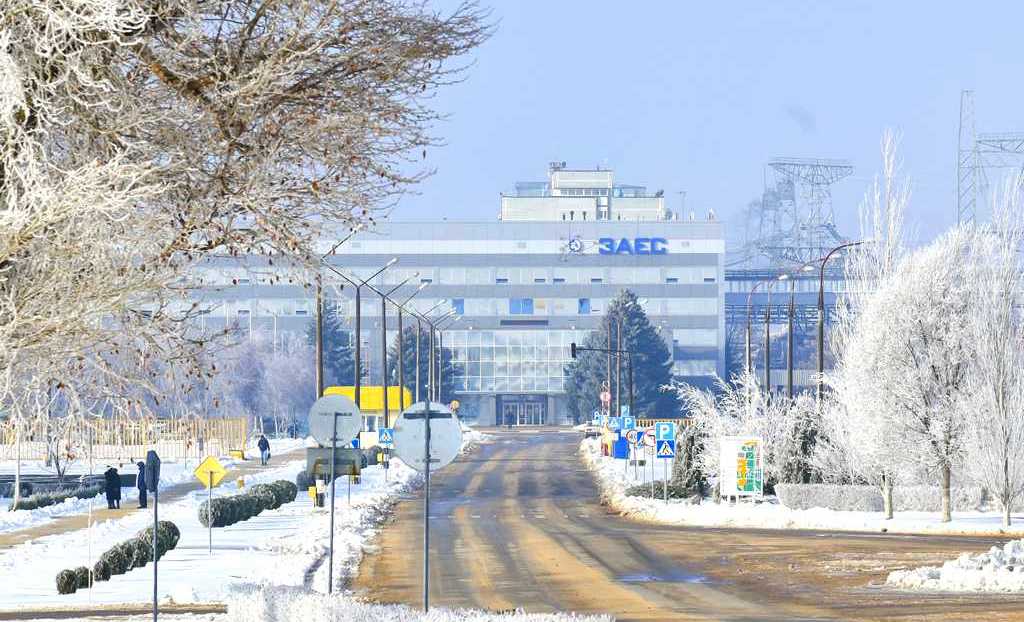
A local ceasefire has been reached in the area of the Zaporizhzhia NPP to carry out repair work on a power transmission line. The initiative for the agreement came from IAEA, and its team will monitor the course of the work. For every Ukrainian this is not abstract diplomacy but a direct risk — restoring power reduces the likelihood of technical failures that could lead to a critical situation at the plant.
How the "window of silence" was agreed
According to the IAEA, the local truce was achieved through its mediation. The repair work is aimed at restoring electricity transmission between the Zaporizhzhia NPP’s distribution substations and the Zaporizhzhia TPP. The operation may take several days — the team needs time to safely fix the damage and test the systems.
"We are grateful to Ukraine and Russia for agreeing to a new 'window of silence' to restore power transmission and strengthen nuclear safety."
— Rafael Grossi, Director General of the IAEA
Context and timeline of risks
The situation around the Zaporizhzhia NPP has repeatedly highlighted the vulnerability of nuclear infrastructure during hostilities. Key milestones:
- 18 October — Ukraine and Russia announced a local ceasefire to restore power to the Zaporizhzhia NPP.
- 14 November — Energoatom reported the loss of one of two external lines and the threat of an 11th blackout at the plant.
- IAEA comment — the agency predicts that the Zaporizhzhia NPP may require a "special status" in the event of a peace agreement between the parties.
- 18 December — President Zelensky expressed disagreement with a proposal for joint control of the plant, underscoring the political dimension of the issue.
What this changes — brief analysis
Restoring external power is primarily about minimizing the risk of technical damage to cooling and monitoring systems. Nuclear safety here is not an abstraction: interruptions in power supply complicate the operation of systems that control reactors and remove heat.
Diplomatically this is also a signal: when international institutions such as the IAEA can secure a short-term ceasefire, delegations have tools of leverage and oversight. However, one "window" is not enough — longer guarantees and monitoring mechanisms are needed to prevent repeated failures.
What’s next
Priorities for the coming days are to complete the repairs, test the Zaporizhzhia NPP systems under the supervision of independent experts, and formalize the agreement with technical protocols. Politically it is important that the temporary truce turns into a stable framework for protecting critical infrastructure: without this the risk of renewed outages rises.
The task for partners and the international community is not only to support the repairs but also to demand transparent monitoring and legal safety guarantees. Whether the "window of silence" will be turned into a permanent protection mechanism will determine how long we can push back the real nuclear threat.



