Lubinets criticizes the Ministry of Culture over delay in transferring the Catholic church
The ombudsman reported on the multi-year blocking of the transfer of St. Nicholas Church to the religious community and accused the Ministry of Culture of delaying the enforcement of a court ruling, warning about the building's dangerous technical condition.

By Tetiana Suchkova-Ladik
December 11, 2025 · 2 min read
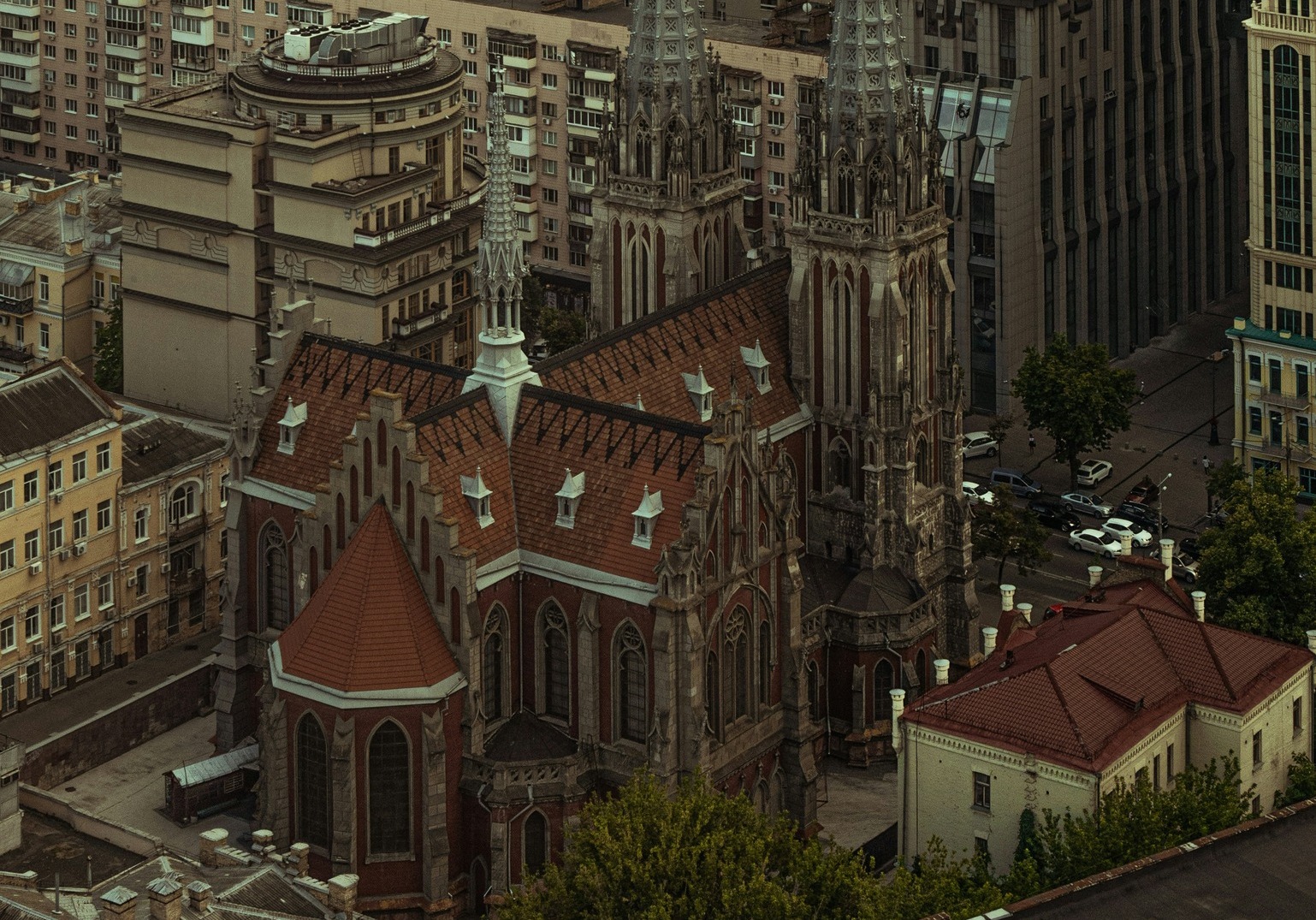
The Roman Catholic Parish of St. Nicholas in Kyiv complained about the prolonged blocking of the transfer of the church; it was this religious community that appealed to the ombudsperson. The Verkhovna Rada Commissioner for Human Rights, Dmytro Lubinets, accused the Ministry of Culture of delaying the transfer process.
Technical condition and risks
The situation is so dire that the collapse could kill Ukrainian citizens. And the religious site is regularly visited by more than 600–700 people! And this story has dragged on for a long time — nearly 20 years
– Dmytro Lubinets, Verkhovna Rada Commissioner for Human Rights
According to the ombudsperson, the building is in a critical technical condition, yet final measures to maintain or transfer it are not being carried out. Lubinets emphasized that due to the neglect of the structure there is a threat to the lives of visitors.
Representatives of the ombudsperson's office visited the church and documented defects, including the absence of proper fire safety and industrial safety measures. Lubinets warned of the need for immediate action to avoid further harm to people and the building.
Legal status and execution of the decision
According to the commissioner, as early as 2005 the president instructed that the building be transferred to the religious community, and in 2020 the Cabinet of Ministers reiterated that task. Despite this, the transfer has not been completed, and in 2025 the process is still being delayed, although a memorandum has been signed between the community and the Ministry of Culture.
The Dnipropetrovsk District Administrative Court ordered that the building be transferred to the community; this decision became legally binding, the appeal court upheld it, and the Supreme Court refused to open cassation proceedings. Therefore, there are no legal obstacles to the transfer.
Lubinets appealed to the Ministry of Culture with an official inquiry about the status of implementation of the court ruling, but, he said, the ministry continues to send additional requests to the State Service of Ukraine for Ethnic Policy and Freedom of Conscience, which, in the ombudsperson's view, slows the process.
The reality is this: the ministry is effectively sabotaging the execution of the court decision! Separately, our institution conducted a monitoring visit to the church – we recorded a critical technical condition of the building. It is practically in an emergency state, and there are no proper fire safety or industrial safety measures
– Dmytro Lubinets, Verkhovna Rada Commissioner for Human Rights
The ombudsperson called on the Ministry of Culture to immediately begin implementing the court decision, guarantee the rights of the religious community, and eliminate the technical threats to the church.
- In September 2021 a fire broke out in the church: flames engulfed the first and second floors and the roof, damaging a unique organ and the interior decoration; the cause was identified as a short circuit in the organ.
- On 20 December 2024 the building was damaged following a missile strike: the façade's stained-glass windows were destroyed. The Ministry of Culture reported that the stained glass will be restored according to authentic drawings, and a restoration plan has been approved.
- As of 20 March 2025 the shattered windows of the church had remained unaddressed for about three months.



