"Lukoil" Under Fire: SBU Strikes Two Oil Platforms in Caspian Sea for Second Time in Four Months
Special Operations Forces units struck two Lukoil drilling rigs on the night of April 10, located almost 1,000 kilometers from the front lines — the Grayfer and Korchagin platforms. This is not the first attack on the company's facilities: the same objects were targeted in December 2024 and January 2025.

By Tetiana Suchkova-Ladik
April 10, 2026 · 2 min read
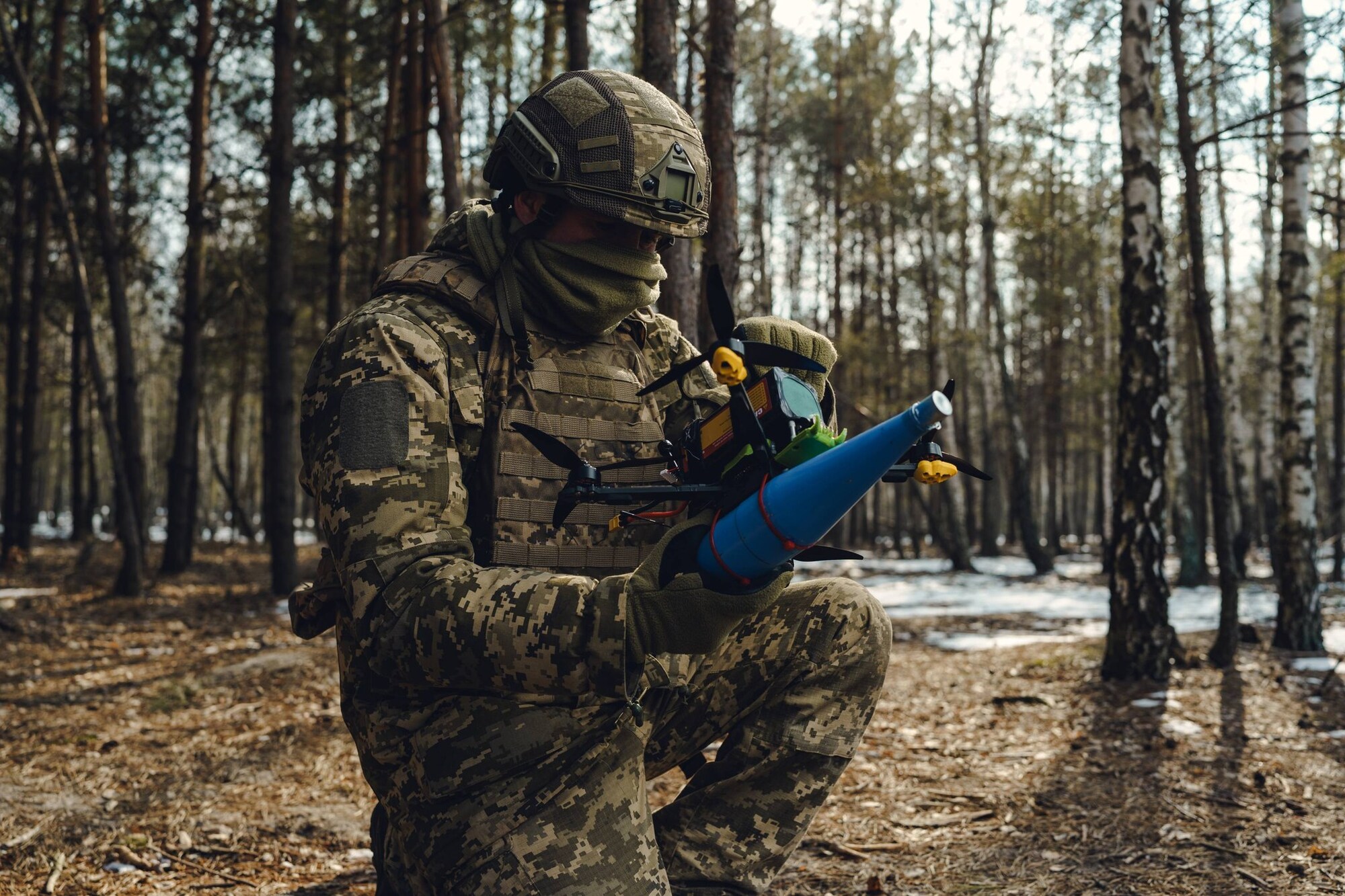
During the night of April 10, units of the Special Operations Forces of the Armed Forces of Ukraine struck two ice-resistant stationary platforms "Lukoil-Nizhnevolganeft" in the Caspian Sea. This was reported by the General Staff of the Armed Forces of Ukraine. The strikes hit the Valery Graifer and Yuri Korchagov oil fields — both in the northern part of the Caspian Sea, approximately 1000 km from the line of combat contact.
What is known about the targets
All three "Lukoil" platforms in the Caspian Sea — Filanovsky, Korchagov, and Graifer — have already been targeted in December 2024 and during the night of January 11, 2025, when the Special Operations Forces attacked all three simultaneously. According to reports from that time, the platforms are used to supply fuel and lubricants to the Russian occupation army, as well as to accommodate signals intelligence equipment.
The Korchagov oil field is an oil and gas condensate field. After the December strikes, critical equipment damage was recorded there, which halted production processes. The Graifer oil field (officially named "Rakushechnoye") was planned to reach peak output by 2028: potential production — up to 1.2 million tons of oil per year.
"These facilities are involved in supporting the Russian occupation army. Direct hits have been recorded. The extent of damage is being clarified."
General Staff of the Armed Forces of Ukraine
Tactical context
Operations in the Caspian Sea are part of a broader campaign by the Special Operations Forces and the Security Service of Ukraine against Russian energy infrastructure. A distance of approximately 1000 km from the front line is not a record for Ukrainian drones, but the Caspian Sea was considered virtually unreachable rear territory until December 2024. The first strike on the Filanovsky platform in December halted operations on more than 20 wells and interrupted production processes across the entire complex.
The Russian Ministry of Defense, following similar strikes in January 2025, indirectly confirmed the attacks by claiming to have intercepted seven drones over the Caspian Sea. There have been no direct confirmations from the Russian side regarding the April strike yet.
The Filanovsky and Korchagov oil fields together produced 6.9 million tons of oil in 2022. Reserves at Filanovsky alone are estimated at 129 million tons of oil and 30 billion cubic meters of gas — a significant portion is transported to the Black Sea via the Caspian Pipeline Consortium (CPC).
- Ice-resistant stationary platform named after Valery Graifer — "Rakushechnoye" oil field, planned to reach peak production in 2028.
- Ice-resistant stationary platform named after Yuri Korchagov — oil and gas condensate field, production was halted following December strikes.
The scale of damage remains an open question
The General Staff confirmed direct hits but did not provide damage assessments. Following the December operations, SBU drone onboard cameras recorded impacts in the area of gas turbine units — the most critical component of the platform. If the April strikes caused comparable damage, halting production at both oil fields is likely, though not yet confirmed.
If Russia does not deploy additional air defense systems to the Caspian region — which would require reallocation of resources from other sectors — those same platforms will remain accessible targets going forward.



