Trump's letter on Greenland: tariff bargaining, undermining transatlantic trust and risks to the Arctic
The U.S. president, in a letter to Norway’s prime minister, questioned Denmark’s sovereignty over Greenland and declared that he no longer feels obliged to “think only about peace.” This is not merely an emotional gesture — such statements have practical consequences for trade, security, and allied solidarity, which also matter for Ukraine.

By Tetiana Suchkova-Ladik
January 19, 2026 · 2 min read
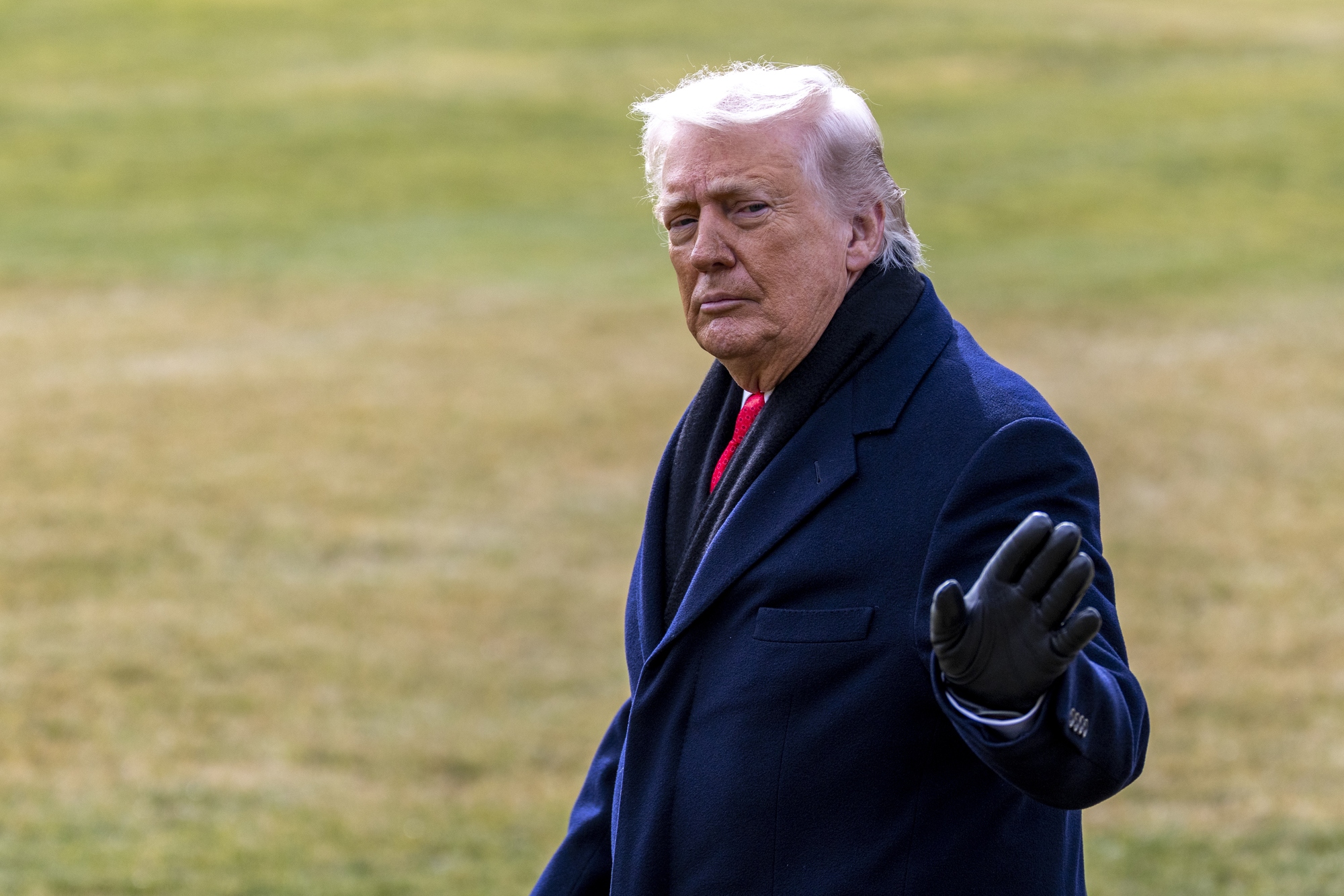
The Letter That Changed the Tone of Negotiations
Agency Reuters released the contents of a letter from U.S. President Donald Trump to Norwegian Prime Minister Jonas Gahr Støre. The report says Trump stated that, because he did not receive the Nobel Peace Prize, he "no longer feels obliged to think exclusively about peace," and reiterated a demand to transfer control over Greenland.
"In light of your country’s decision not to award me the Nobel Peace Prize... I no longer feel obliged to think exclusively about peace... I can now think about what is good and right for the United States of America"
— Donald Trump, President of the United States (letter, according to Reuters)
The Norwegian prime minister emphasized the independence of the Nobel Committee, noting that the Norwegian government does not control decisions about the prize. Reuters also reported details about other episodes surrounding the issue: last year the Nobel Peace Prize was reportedly awarded to Venezuelan opposition leader Maria Corina Machado, who recently met with Trump and presented him with her own medal — even though the committee has stated that the prize cannot be transferred or shared.
"The Nobel Committee is independent; the Norwegian government has no control over it"
— Jonas Gahr Støre, Prime Minister of Norway (comment on the letter)
Consequences for Europe and the Arctic
Trump's letter was accompanied by practical steps: on January 17, 2026, he announced the imposition of tariffs on European allies in connection with the dispute over Greenland. This provoked a sharp reaction — Members of the European Parliament threatened to block the ratification process of a trade agreement between the EU and the US, and on January 18 eight European states issued a joint statement saying that tariff threats undermine transatlantic relations.
These moves have two important dimensions: first, the issue concerns sovereignty and security in the Arctic region — Greenland is geostrategically important because of its location and resources; second, it is a test of allies' willingness to maintain economic and political coordination in the face of unilateral pressure.
Why This Matters for Ukraine
Ukraine depends on the stability of the transatlantic front: military support, sanctions against the aggressor, arms deliveries and financial aid — all of this works better when allies are coordinated. Unilateral trade measures or emotional impulses in the rhetoric of the U.S. administration weaken European unity and can distract from focusing on security issues that are critically important for our country.
Diplomats and analysts point out that the current episode is not only about Greenland. It is also about how quickly rhetorical statements can turn into economic tools of pressure that undermine trust. For Ukraine, such instability reduces maneuvering space on matters of supply, funding and sanctions policy.
Conclusion
This story is a litmus test for transatlantic solidarity. If trade and geopolitical disagreements intensify, partners will be forced to choose between short‑term interests and long‑term trust. The response of the EU and other allies will show whether they are ready to turn statements into concrete actions that will preserve security in the Euro‑Atlantic — and that directly affects Ukraine's security as well.



