Lithuania wants to return the issue of frozen Russian assets to the agenda
Vilnius insists: €300 billion in blocked Russian reserves is not just a financial tool, but a real lever of pressure. Yet Europe still does not dare to use it fully.

By Tetiana Suchkova-Ladik
May 23, 2026 · 2 min read
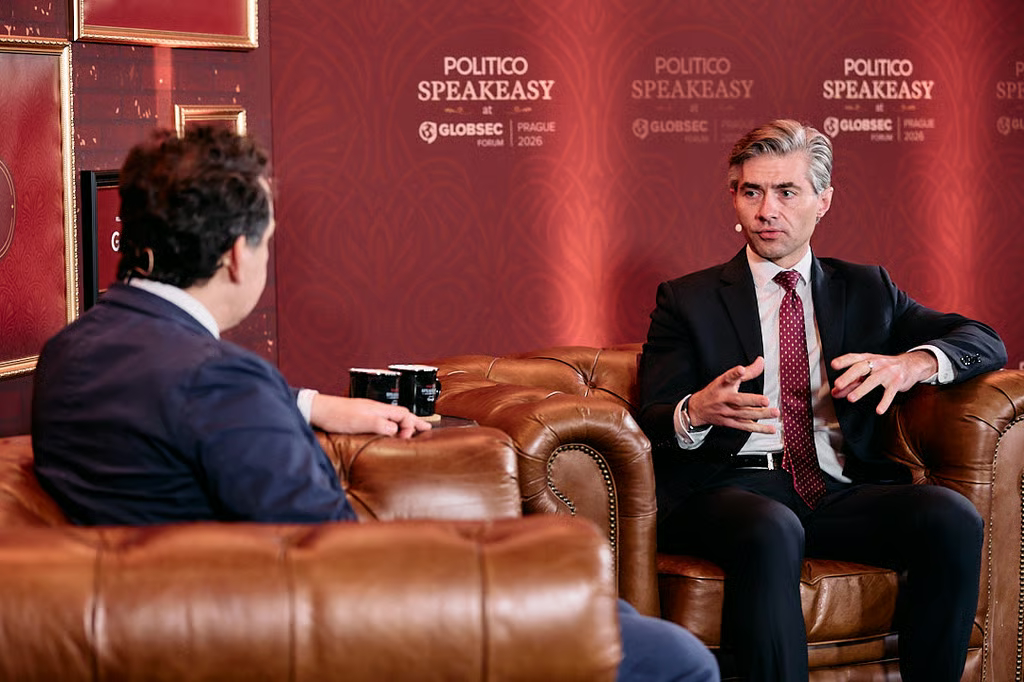
Lithuania is raising again the question that the West has grown accustomed to postponing: what to do with frozen Russian assets worth approximately €300 billion, the majority of which are held at Euroclear in Belgium.
Lithuania's Foreign Minister Gabrielius Landsbergis insists that these funds are not a technical issue of international law, but a specific instrument of pressure. According to him, frozen reserves remain a "real lever to force Russia to the negotiating table" — and this lever has yet to be used to its full extent.
What has been done — and what is missing
G7 countries agreed to direct profits from frozen assets — approximately €3 billion per year — to support Ukraine. The first tranche under the ERA (Extraordinary Revenue Acceleration) program in the amount of $50 billion was agreed upon in 2024. But these are earnings, not the principal sum.
The question of direct confiscation of the assets themselves remains open. Legal reservations from Germany, France, and the ECB — risks to the euro as a reserve currency, precedents in international law — have effectively blocked broader discussion.
Lithuanian logic
Vilnius appeals to simple arithmetic: if Russia knows that €300 billion will be returned after any "conflict freeze," the incentive for genuine peace disappears. If, however, the assets are tied to specific conditions — troop withdrawal, reparations, tribunal — this changes the negotiation calculus.
Lithuania's position is not unique: Estonia and Poland have expressed similar views. But the small Baltic countries face the familiar problem — their voice in Brussels is not proportional to their readiness to act.
Why now
The timing is not coincidental. Against the backdrop of talks about possible "ceasefire" and American pressure on Kyiv regarding negotiations, the question of assets takes on a new dimension: will the €300 billion become part of any deal — and on whose terms.
If the West proceeds with a "conflict freeze" without tying assets to verified conditions, Russia gets both a pause to rearm and a guarantee of funds returning after sanctions are lifted.
So far, no mechanism exists that would tie the fate of assets to specific, verifiable actions by Moscow — only political statements.
Will the major EU countries agree to a strict tie between assets and conditions for peace — or will they stop again at a compromise that suits everyone except Ukraine?



