Magyar Won, But His Voters Don't Want to Arm Kyiv: What ECFR Found About "Pro-European" Hungary
Tisza Party's victory changed Hungary's government, but not public sentiment: only 12% of Magyar voters support military aid to Ukraine, while the majority, even among opposition supporters, oppose Kyiv's EU membership.

By Tetiana Suchkova-Ladik
May 7, 2026 · 2 min read
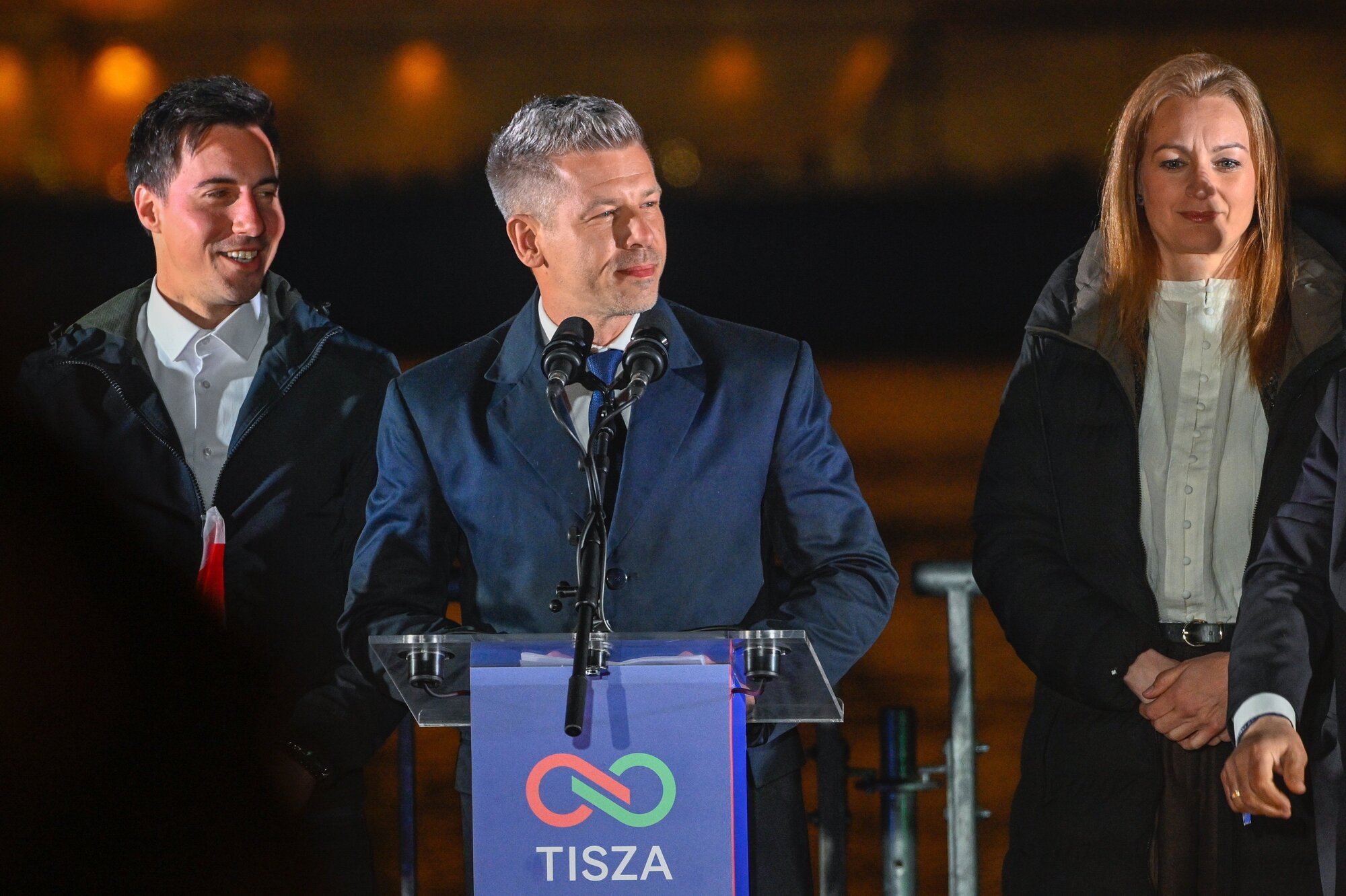
When Peter Magyar secured a constitutional majority in April 2025, Ursula von der Leyen wrote: "Hungary has chosen Europe." But research by the European Council on Foreign Relations (ECFR) shows a stark divide between the pro-European choice and pro-Ukrainian one.
What the survey revealed
Among Tisza voters, 77% want closer ties with the EU, and 64% expect the new government to improve relations with Ukraine. But the figures drop sharply thereafter: financial support for Kyiv is approved by only 24%, while weapons supplies receive 12%. This is not opposition to Magyar, but his own electorate's position.
Anti-Ukrainianism has become Orbán's tool to mobilize his base while simultaneously dividing opposition voters.
ECFR, analysis of survey results
According to ECFR data, only 44% of Tisza supporters consider Zelensky a "good leader"—and nearly as many, 42%, call him "bad." The question of Ukraine's EU membership divides the party's voters evenly.
Orbán lost, but "anti-Ukrainianism" remains
An autumn survey by the Policy Solutions think tank, cited by Glavkom, found that half of Hungarians view Ukraine as a threat to Hungary, 64% oppose Kyiv's EU accession, and 74% oppose financial aid. These are nationwide figures, but they explain why Magyar carefully avoided the Ukraine issue in his campaign, focusing instead on corruption, hospitals, and schools.
Tisza officially opposes sending weapons or troops to Ukraine and opposes Ukraine's accelerated EU accession. Orbán actively tried to portray Magyar as a "pro-Ukrainian agent," but evidence never materialized. The paradox is that Orbán doesn't even need such a frame: public skepticism about Ukraine is already embedded in the opposition's support base.
What this means in practice
- Magyar promised to put the question of Ukraine support to a referendum—which, given public sentiment, effectively means delaying any decisions.
- In December 2025, Hungary blocked a 90 billion euro loan to Ukraine that had been agreed upon at the EU leader level. It only lifted its veto after Russia halted oil transit through Druzhba.
- Among Tisza voters, the main concerns are corruption and governance (31%), not foreign policy (10%)—meaning Magyar benefits from keeping the Ukraine issue on the periphery of the agenda.
The ECFR study notes one important nuance: Hungary's realignment with Europe is possible, since some Fidesz voters also support closer ties with the EU. But rapprochement with Brussels is not synonymous with supporting Kyiv.
Should Magyar proceed with putting Ukraine aid to a referendum, the real test will not be his own position, but whether the new government can shift public sentiment shaped over years of Orbán's propaganda—and whether it even wants to, given that its mandate rests on entirely different issues.



