Macron Rejects Trump’s Peace Council: $1bn per Seat and Risk of Undermining the UN
Bloomberg: France rejects Donald Trump's initiative, which offers a permanent seat for $1 billion and invites, among others, Putin and Lukashenko. We examine why this matters for the international order and what it could mean for Ukraine's security.

By Tetiana Suchkova-Ladik
January 19, 2026 · 2 min read
What it's about
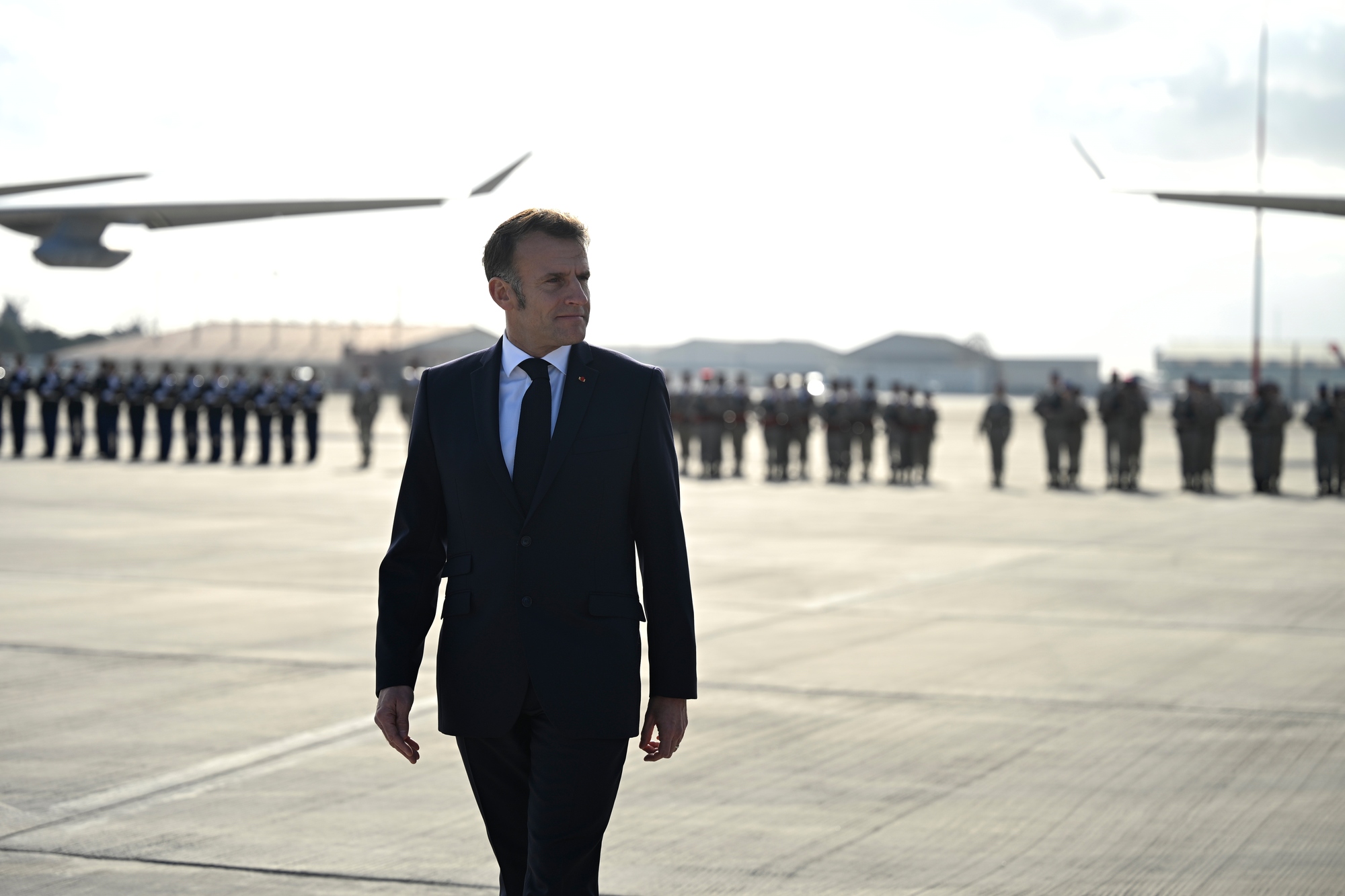
According to Bloomberg, French President Emmanuel Macron does not plan to join the so‑called Peace Council being proposed by the administration of Donald Trump. A draft charter reviewed by the agency stipulates that countries seeking a permanent seat must contribute at least $1 billion. The document also states that Trump is to become the first chair of the council and would have the authority to decide on membership.
Details
According to Bloomberg (18 January 2026), Trump has already invited a number of leaders, among them Argentina’s President Javier Milei and, sources say, Mark Carney. Unnamed interlocutors add that the charter could be signed at the Davos forum, but a number of “fine print” provisions have raised doubts among those invited.
Reaction from international actors
"We are currently studying all the details of this proposal, and in particular we hope for contacts with the American side to clarify all the nuances"
— Dmitry Peskov, Kremlin spokesman
"In the appeal to Belarus in the context of resolving the situation in Gaza, it is proposed that [Belarus] become a founder of the Peace Council, a new international organization"
— Ruslan Voronkov, spokesman for the Belarusian Foreign Ministry
According to agencies, Lukashenko reportedly received the proposal "positively" and said he was ready to take part in the council's work, while Paris decided not to join — primarily due to concerns that the initiative could go beyond the Gaza Strip issue and potentially undermine UN principles that France considers sacrosanct.
Why it matters — from Ukraine’s perspective
The initiative carries several key risks for the international order and security. First, a "paid membership" model would set a precedent for unequal representation on matters of peace and security — where influence is determined by contributions rather than an international mandate. Second, if the council includes leaders whom the West regards as revisionists or aggressors, it could become a tool for legitimizing actors who have undermined security norms. For Ukraine, such changes mean the risk of eroding a unified international front against aggression and complicating the diplomatic mechanisms on which our security relies.
What’s next
Macron’s decision is a signal to other European capitals: evaluate initiatives in terms of their impact on the collective security system and the authority of the UN. The key question now is whether other major players will follow him, and whether Trump can assemble a sufficient pool of supporters to give the Peace Council real weight. For Ukraine, this is not merely a diplomatic footnote but a matter of consolidating partners and preserving international tools of pressure and protection.
The episode involving a proposal that includes significant financial barriers and broad powers for the founder poses a simple question to Western partners: are they prepared to defend the rules that make the world predictable? The answer will help determine what the global arena looks like for Ukraine in the coming years.



