Macron resumes technical dialogue with Russia — what it means for Ukraine
In high diplomacy, it's not loud statements but quiet agreements that matter. France has announced the restoration of technical channels with Russia — we explain why this is happening now and what risks and opportunities it creates for Ukraine.

By Tetiana Suchkova-Ladik
February 10, 2026 · 2 min read
Briefly
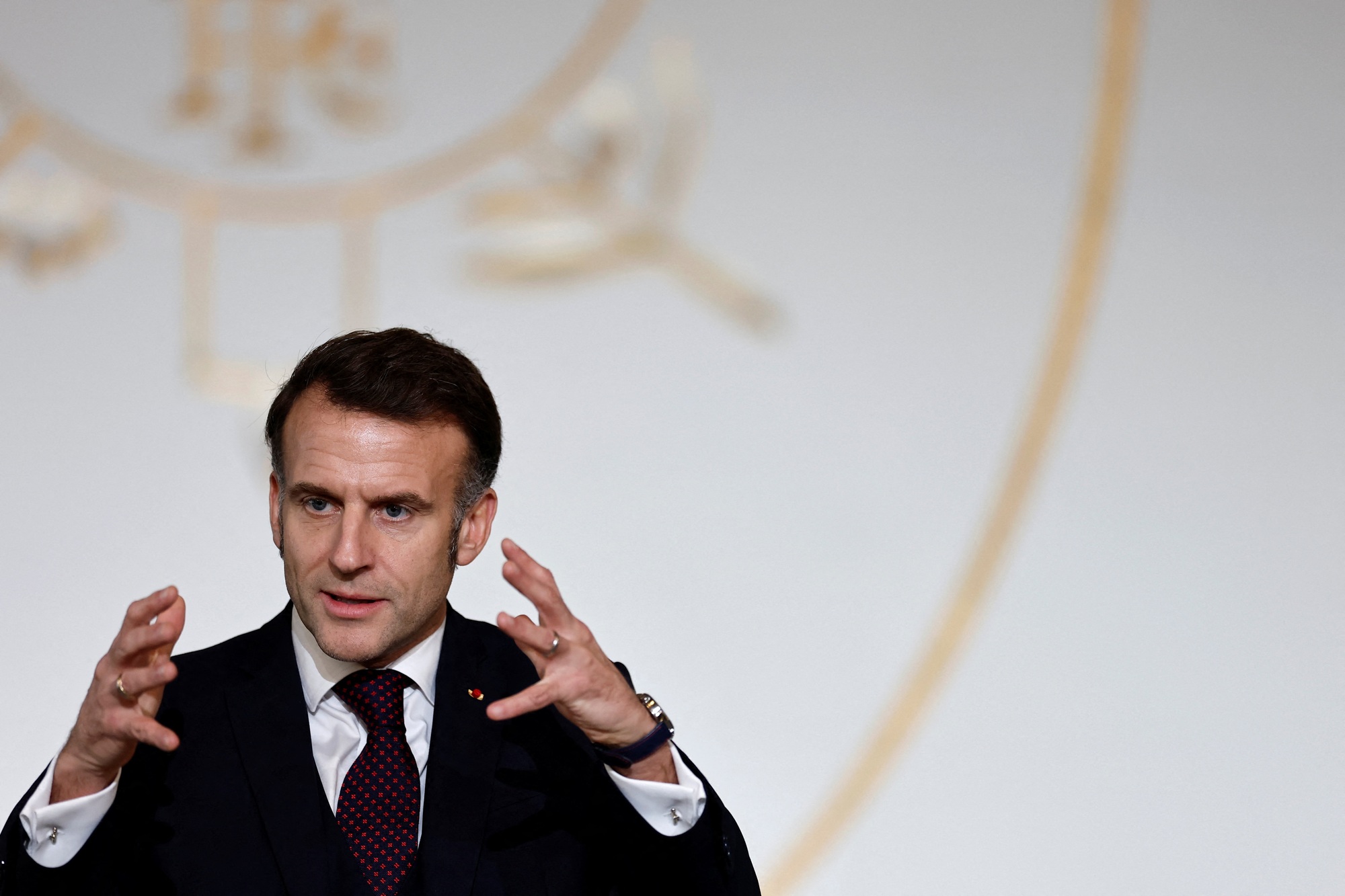
French President Emmanuel Macron said that channels of discussion with Russia have been restored at a technical level. The interview was published in Süddeutsche Zeitung — the politician's words should be seen as the beginning of a process, not as a completed diplomatic initiative.
What Macron said
"For several months we have entered a new phase of this war. What prompted this phase? Two things: first, we have reached a point where this war of attrition has entered its final stage; that is, the losses and exhaustion on both sides make it entirely reasonable to question how to end this war. And second, the Americans have shown a desire to end it."
— Emmanuel Macron, President of France (Süddeutsche Zeitung)
Why it matters (analysis)
Macron explains his actions with three arguments: the combat dynamics have changed, pressure on the resources of both sides is increasing, and signals have appeared in Brussels/Washington about a desire to advance negotiation initiatives. The restoration of technical channels is a tool for gathering information, coordinating humanitarian and military-technical procedures, and testing the possibilities for further political dialogue.
However, a technical channel is not equivalent to political negotiations: it is a low-level format that can be used to communicate on specific topics (for example, prisoner exchanges, security guarantees for corridors, humanitarian issues), but it does not resolve key questions of sovereignty and territory.
What this means for Ukraine
First, there is a risk that talks on a ceasefire or "ordering" the conflict will be advanced without proper participation by Ukraine or with minimal Ukrainian presence. Macron himself drew attention to this when he spoke about the need not to rely on third parties and to preserve Europe's own position.
Second, for Kyiv the opening of technical channels is an opportunity to achieve concrete results on narrow issues (the release of prisoners, access for humanitarian convoys) if the Ukrainian side can negotiate a clear mandate and control mechanisms. The key task is to prevent these formats from becoming a substitute for full international guarantees without the participation of the United States and Ukraine.
Timeline and confirmations
On 19 December 2025 Macron publicly called to restore a European dialogue with Russia. On 21 December 2025 President Zelensky confirmed that Macron had discussed with him the possibility of direct contact with the Russian Federation on the condition that the United States could not stop the aggression; official comments from both sides indicate the need to preserve American involvement in the peace process. On 4 February 2026 reports emerged about a French diplomat's trip to Russia for technical-level talks.
Conclusion: what to do next
This is not a time for panic, but neither for automatic trust. The European initiative can become an additional tool of pressure on Moscow or, conversely, a channel for diluting a unified international position. It is important for Ukraine to pursue two things: first, that any contacts are transparent and coordinated with Kyiv; second, that the United States remain the central security guarantor in the process. So far these are initial steps — now the key question is whether they will turn into concrete guarantees that protect Ukraine's interests.
Sources: interview with E. Macron (Süddeutsche Zeitung), official comments from the parties, media reports about diplomatic contacts in February 2026.



