Macron calls on Russia and Ukraine to impose a moratorium on strikes against energy infrastructure
After meeting with Xi Jinping, Emmanuel Macron proposed a temporary halt to strikes on critical infrastructure and asked Beijing to use its influence on Moscow. The article also mentions attempts at an energy truce and shelling by both sides.

By Tetiana Suchkova-Ladik
December 4, 2025 · 1 min read
Call for a moratorium
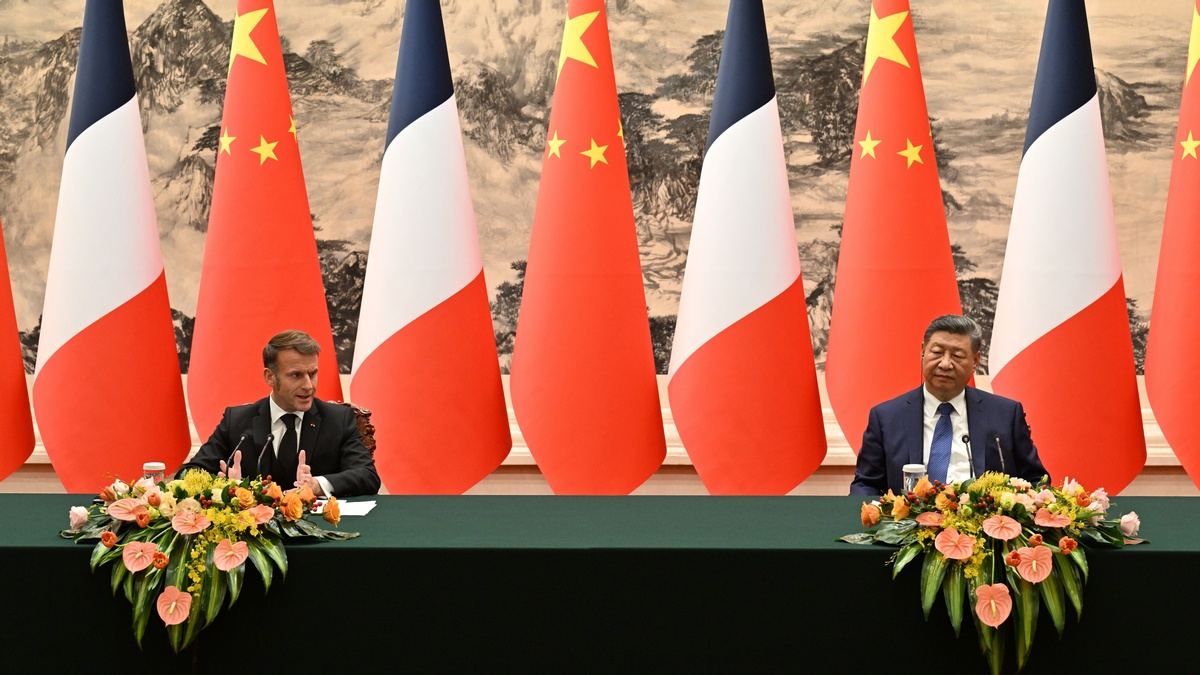
During a meeting with the Chinese leader, Emmanuel Macron called for a halt to hostilities between Ukraine and Russia in the form of a moratorium on strikes against critical infrastructure. He stressed the need to protect energy and civilian facilities, especially ahead of the cold season.
The French president said he discussed Russian aggression with Xi Jinping and expressed concern that the conflict undermines security in Europe and international norms based on the rule of law.
Macron added that, as permanent members of the UN Security Council, they have a special responsibility to seek compromises while preserving international rules and lasting stability.
China's role in securing a halt
The French president hopes that China can help achieve at least a temporary halt to strikes on energy infrastructure by using its influence on the Russian leadership. According to him, this is needed to reduce risks to civilians and basic infrastructure.
Background of attacks on energy infrastructure
The Chinese leader expressed willingness to support peace initiatives and hopes for an agreement acceptable to both sides.
- In March, during technical talks in Saudi Arabia, Ukraine and Russia attempted to agree on an energy truce, but the agreement was not implemented.
- In the autumn, Russia launched a campaign aimed at knocking Ukraine's energy system out of operation; in response, since the summer Ukraine has carried out a series of strikes on Russian oil infrastructure, including refineries.



