Malokaterynivka under pressure: how seepage through the reservoir bed threatens the outskirts of Zaporizhzhia
Russia is trying to push toward the outskirts of Zaporizhzhia, using the dried-up bed of the Kakhovka Reservoir and massed drones. We analyze the enemy's tactics, the response of the Armed Forces of Ukraine, and the real risks to the city.

By Tetiana Suchkova-Ladik
January 6, 2026 · 2 min read
Suburb in the Crosshairs
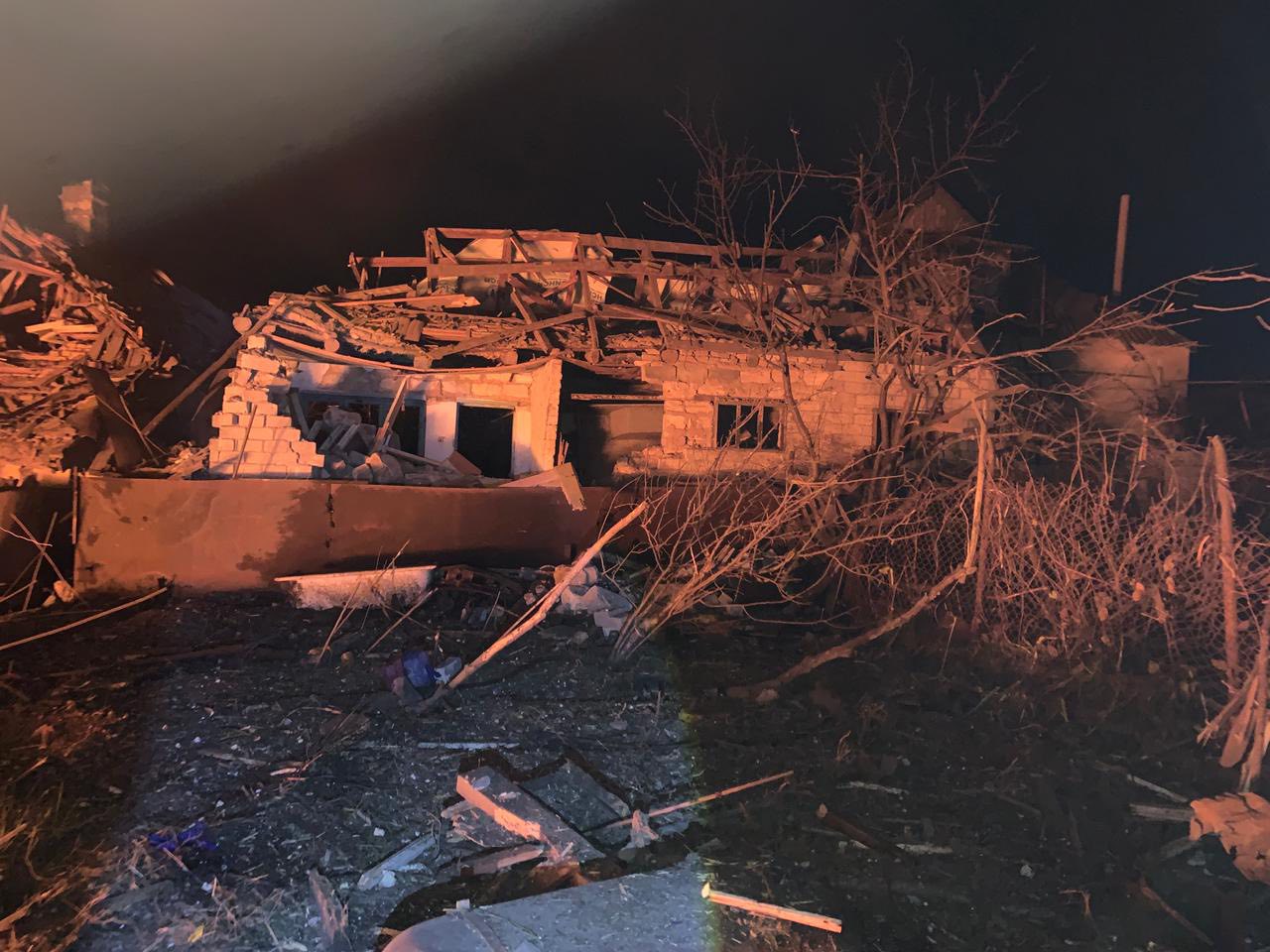
According to LIGA.net, citing a comment from Southern Defense Forces spokesperson Vladyslav Voloshyn, the enemy has already made isolated attempts to enter the village of Malokaterynivka — a de facto suburb of Zaporizhzhia. These are not just isolated marks on a map: DeepState records the approach of a "gray zone," and clashes are occurring on the ground that could affect the city's security.
Enemy tactics: movement along the "riverbed"
The absence of a water barrier has changed the rules of movement. Russian infiltration groups are trying to use the former bottom of the Kakhovka Reservoir to move along the channel and enter the settlement from the east via the Konka River.
"Mostly there are dacha settlements there and there isn't a lot of solid construction… Enemy infiltration groups are trying to enter and push as far as possible, taking advantage of the fact that the Kakhovka Reservoir is gone and you can move 'along the bottom'."
— Vladyslav Voloshyn, spokesperson for the Southern Defense Forces
Ukrainian Armed Forces response: reconnaissance and strikes
Ukrainian units are conducting reconnaissance-search and search-and-strike operations to detect and destroy such groups while they are still approaching the village. According to Voloshyn, there have already been local engagements where the enemy was repelled.
"There were even several engagements there. Because we conduct reconnaissance-search and search-and-strike operations, destroying such groups."
— Vladyslav Voloshyn, spokesperson for the Southern Defense Forces
What this means for Zaporizhzhia
The key consequences are an increase in the number of drones over Malokaterynivka, more frequent use of Prymorske as a staging area for assault groups, and a heightened concentration of attacks in adjacent directions. Voloshyn reported 65 attacks in a day on the Huliaipole direction — a sign of the intensity of enemy activity and that some areas are turning into a "large gray zone."
At the strategic level, intelligence leadership warns: Moscow is tasking forces to strengthen control over Donbas and parts of Zaporizhzhia Oblast in 2026, which makes these local operations part of a broader system of pressure.
Conclusion
Infiltrations along the "bottom" are not only a tactical move but a sign of a changing operational environment: the enemy is adapting to new conditions and trying to use every logistical corridor. The response must be comprehensive: effective reconnaissance, targeted strikes on infiltration groups, strengthened air defenses, and partner support to bolster defensive capabilities on the approaches to Zaporizhzhia. Whether partners are ready to provide the necessary means and whether there will be enough time to deploy them is the key question in the coming weeks.
"This is already a front-line settlement. The enemy is trying to fully take control of Prymorske, using it as a place where assault groups concentrate before moving further toward Stepnohirsk. The situation there is quite complicated."
— Vladyslav Voloshyn, spokesperson for the Southern Defense Forces



