Malyuk steps down as SBU head but remains in charge of special operations — what it means for the front lines
Zelensky proposed that the general concentrate on asymmetric special operations. The decision changes the SBU’s role in defense and will become an indicator of the priorities of the authorities and their partners.

By Tetiana Suchkova-Ladik
January 5, 2026 · 2 min read
What it’s about
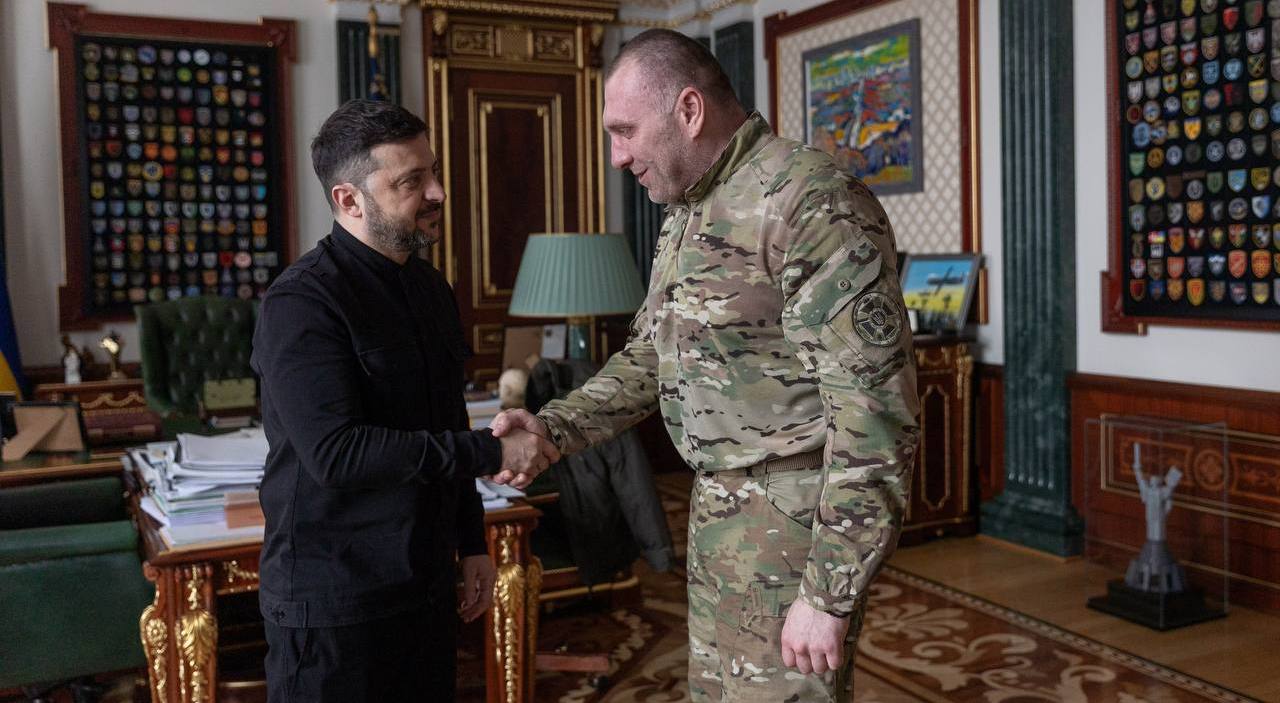
President Volodymyr Zelensky held a meeting with SBU chief Vasyl Maliuk and discussed candidates to replace him. Maliuk confirmed that he is leaving the position of head of the Service but will remain within the system to carry out world-class asymmetric special operations.
“Vasyl Vasylovych does this best, and this is exactly what he will continue to do within the SBU system. I instructed Vasyl Maliuk to make the direction of our asymmetric operations the strongest in the world. The resources and appropriate political support for this exist. We also discussed candidates together in order to choose a new head of the SBU.”
— Volodymyr Zelensky, President of Ukraine
Context and significance
The official line is a redistribution of roles: a leader with combat experience is moving from administrative leadership to specialized operational work. This is not just a personnel reshuffle — it is a signal that asymmetric actions are a priority as a tool to counter Russian aggression.
The move has several practical implications: first, concentrating tactical experience in operational groups could increase the effectiveness of strikes and intelligence work. Second, a change in SBU leadership opens questions about institutional reforms and coordination with the Armed Forces and Western partners — on which access to technologies, intelligence, and funding will depend.
SBU position and thanks
During the meetings, Zelensky also met with the head of Special Operations Center “A,” Yevhen Khmara, thanked the special forces “for their extraordinarily significant combat work,” and discussed possibilities for the systemic development of special units.
“I am confident that a strong and modern security service is the guarantee of our state’s security. The changes the president of Ukraine is implementing in the defense sphere are aimed at this, and I thank him. I believe in a just peace and the flourishing of Ukraine.”
— Vasyl Maliuk, head of the SBU (during the meeting)
What to watch next
Defense experts note: the effect of this decision will depend on two things — providing real resources for the new tasks and a transparent process for appointing a successor. If the statements from Bankova are backed by concrete mechanisms and coordination with partners, the reformatting will strengthen defense capabilities. If not — the risk of a break in the chain of command and complications in cooperation with international intelligence services will increase.
Now the question is for the system and partners: will these declarations turn into concrete resources, operational capabilities, and a long-term strategy? The answer will determine how noticeable the impact of this reshuffle will be on the front lines.



