Vans returned, cash still missing: Cash-in-transit incident with Hungary and its consequences for Ukraine
Hungary returned the armored cash‑in‑transit vehicles damaged, but still holds <strong>$40 million, €35 million and 9 kg of gold</strong>. We explain why this is not an isolated incident but a diplomatic and legal challenge.

By Tetiana Suchkova-Ladik
March 12, 2026 · 2 min read
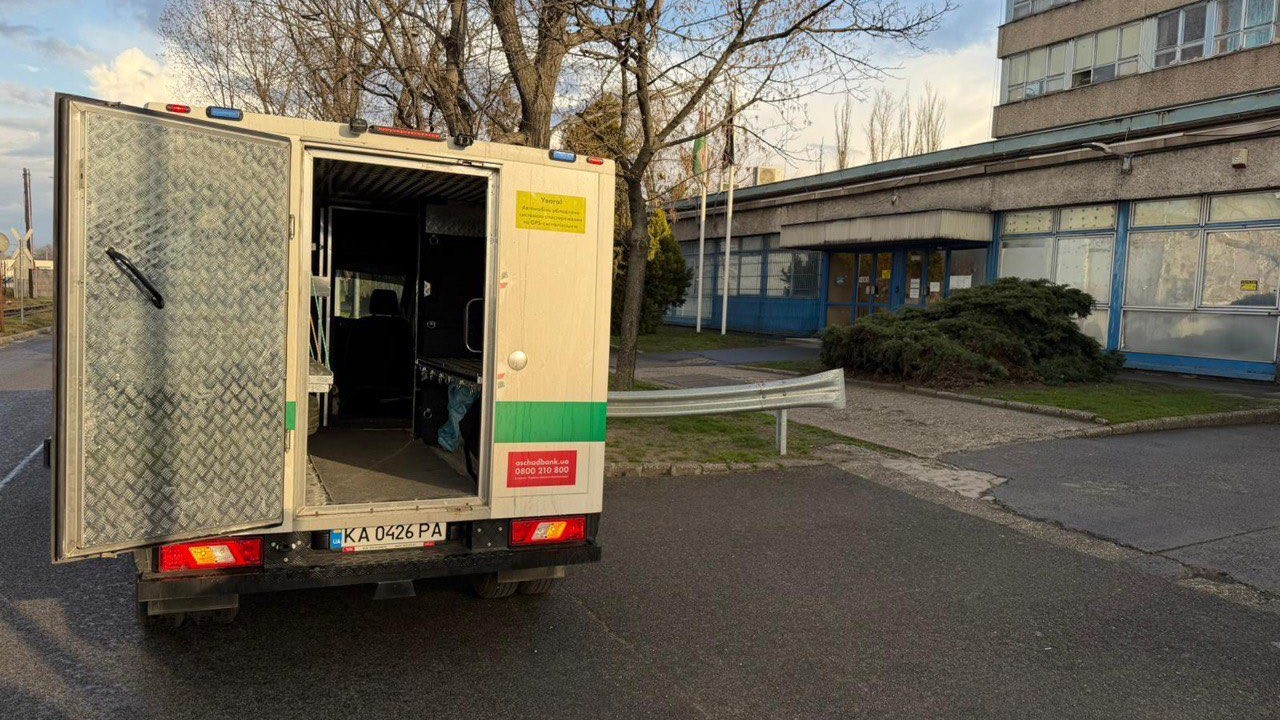
Returned the vehicles, but not the assets
Hungary handed over to representatives of Oschadbank the cash-in-transit vehicles detained on March 5, but the vehicles arrived with recorded damage. At the same time, the currency and gold — $40 million, €35 million and 9 kg of gold — still remain in Budapest, Oschadbank reports.
What the parties said
“After the return of the cash-in-transit vehicles, a number of equipment damages were recorded. Legal representatives of Oschadbank on site conducted a detailed recording of all identified malfunctions. After the vehicles return to Ukraine, an assessment of the damage caused will be made.”
— Oschadbank, official statement
“The funds will be returned if the suspicions in this case are not confirmed.”
— Gergely Gulyás, head of the office of the Prime Minister of Hungary
Context and why this matters
This incident should not be viewed as a simple customs check. It occurred against the backdrop of a deterioration in relations between Kyiv and Budapest and a few weeks before the Hungarian elections (April 12). Analysts, including LIGA.net, noted several escalation scenarios between the governments — from tactical pressure to the use of legal procedures as a tool of political influence.
Ukraine's actions and the legal perspective
Oschadbank reported the documentation of damages and has already begun “a set of legal steps.” This means the standard set of actions: documenting losses, international appeals and potential lawsuits before bodies that consider violations of ownership rights and anti-money-laundering procedures.
EU reaction and diplomatic pressure
The situation has drawn the attention of European lawmakers: 35 MEPs appealed to European Commission President Ursula von der Leyen calling for “active steps” to resolve the matter. This adds tools of political pressure on Budapest and turns the incident into an issue of European solidarity, not just a bilateral dispute.
What’s next
Next comes a combination of legal work and diplomacy. For Ukraine it is important to: 1) clearly document all facts; 2) convert statements into concrete processes (court cases, international requests); 3) mobilize support from EU partners so that the pressure does not remain only at the level of statements.
This case shows: even when the equipment is returned, the risks of economic and political losses remain. Whether declarations of “investigations” can be turned into the actual return of assets depends on how systematically and promptly Kyiv and its partners deploy legal and diplomatic tools.



