Massive Russian overnight attack: energy infrastructure and residential areas hit — consequences for Kyiv, Odesa, Vinnytsia and Dnipro
Russia struck energy and civilian infrastructure with drones and missiles during the night and morning. This is an attack not only on buildings — on the everyday safety of millions of Ukrainians as cold weather sets in. We break down what happened, who was affected, and what the practical consequences are for communities.

By Tetiana Suchkova-Ladik
January 20, 2026 · 2 min read
What happened
In the night before January 20 and in the morning, Russia carried out massive strikes with attack drones and missiles across a number of regions of Ukraine. According to regional military administrations and the State Emergency Service, damage was recorded in Kyiv, Odesa, Vinnytsia, Dnipropetrovsk, Poltava and other oblasts.
"As a result of the massive attack in Bucha district, a 50-year-old man received a fatal wound. Medical teams were unable to save him."
— Mykola Kalashnyk, head of the Kyiv Regional Military Administration
In Kyiv one person was also injured; more than 5 600 apartment buildings were left without heat, and the left bank was left without water supply. Two gas stations were damaged.
"At dawn the enemy again attacked the region's civilian infrastructure — the strikes were aimed at residential neighborhoods and the energy sector."
— Oleh Kiper, head of the Odesa Regional Military Administration
In the city of Chornomorsk a UAV hit an apartment building, damaging the façade and glazing. In Odesa district an energy facility was damaged. In Vinnytsia region a strike on a critical infrastructure facility was recorded, said the head of the Regional Military Administration, Nataliya Zabolotna.
"In Dnipro an enterprise was devastated and a fire broke out; an apartment building, infrastructure and five cars were damaged. Two women — aged 76 and 67 — were injured."
— Oleksandr Hanzha, head of the Dnipropetrovsk Regional Military Administration
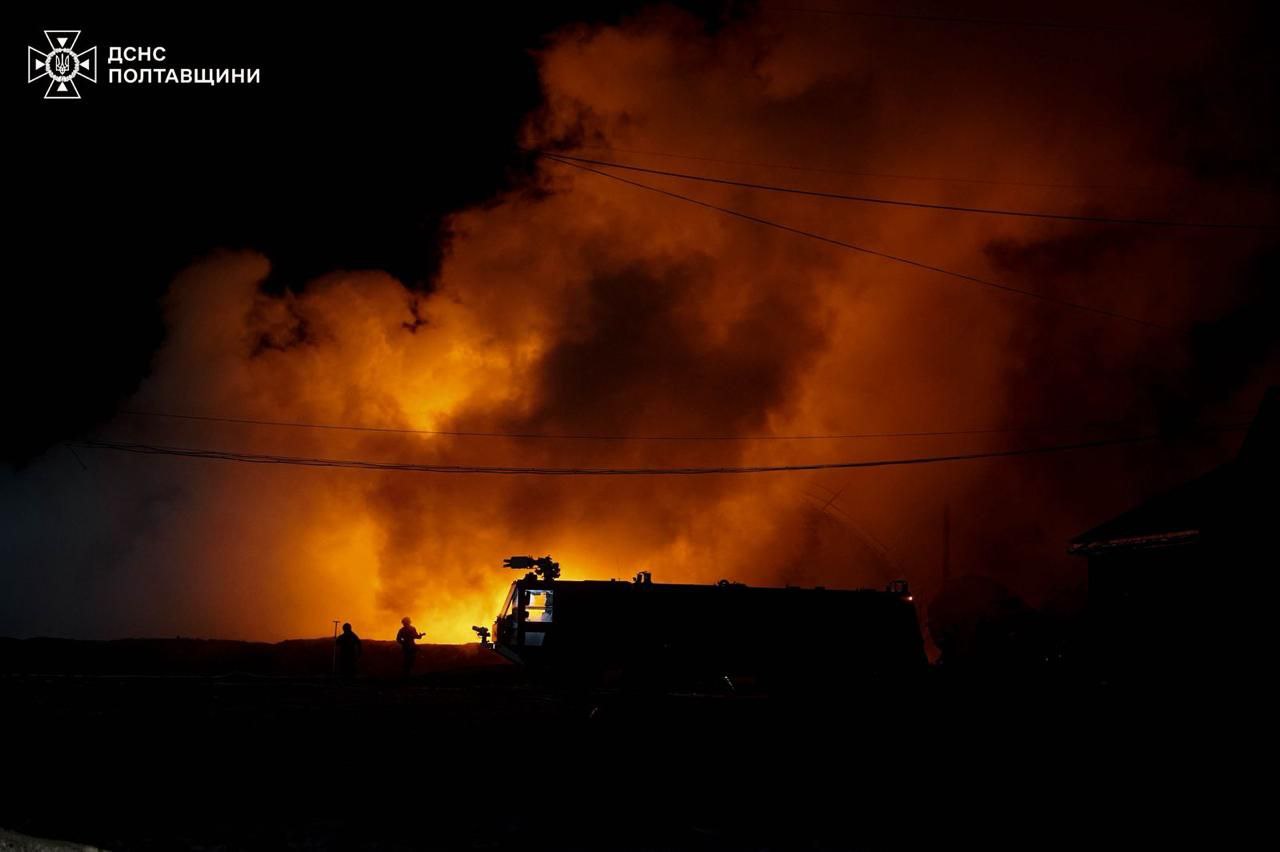
In Poltava region an industrial facility was hit during the night — fires broke out and were extinguished by rescuers, the State Emergency Service reports.
Consequences for communities
Damage to energy and household infrastructure during freezing conditions significantly increases risks for the civilian population: from heat and water outages to reduced access for ambulances and firefighters. Several regions have already felt the practical consequences — from destroyed homes to deaths and injuries.
Why this is happening — context
Experts and officials consistently point out that attacks on the energy sector have a strategic goal — to create systemic hardships for the civilian population during the cold season. On the eve of the strikes, on January 19, President Zelensky warned of the threat of a new large-scale attack; that warning has now been realized in concrete strikes on critical facilities.
What services are doing and what to expect
The State Emergency Service, regional administrations and energy services are working to extinguish fires, restore damaged infrastructure and minimize emergency outages. However, full restoration will require time and resources — both technical and financial.
Energy sector analysts note that reducing vulnerability will require systemic investments in generation reserves, mobile power sources and rapid material and technical reinforcement of local grids — part of which should come from international partners.
Conclusion
These attacks are part of a clear tactic: to undermine household security and weaken social resilience. The facts today are — fatalities, injuries, widespread damage and power outages. The next steps are the rapid restoration of infrastructure and the strengthening of protective measures, as well as state and international support that turns declarations into concrete resources for recovery.



