Nearly 7,000 Ukrainian fighters held in Russian captivity — how these figures are reshaping the negotiation landscape for prisoner exchanges
Russia is holding about 7,000 of our service members; Ukraine has over 4,000 available for possible exchanges. We explain why these numbers matter for families, the front and diplomacy after the February 5 exchange.

By Tetiana Suchkova-Ladik
February 14, 2026 · 1 min read
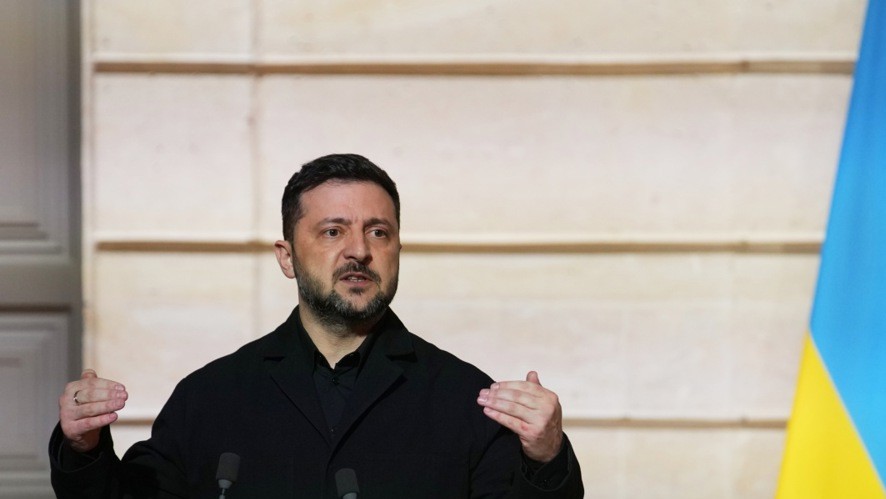
What Zelensky Said in Munich
During a briefing in Munich, President Volodymyr Zelensky reported that approximately 7000 Ukrainian servicemen are currently held in Russian captivity, while Ukraine is holding more than 4000 Russian servicemen for possible exchanges. This is not just a statistic — these numbers determine the strength of Kyiv’s negotiating position and the pace at which people can be brought home.
"They [the Russians] have about 7000 Ukrainian prisoners of war. We have — over 4000 [occupiers]. That’s good news, because we had 1500 [Russians]. Right now we have a little more than 4000"
— Volodymyr Zelensky, President of Ukraine
Balance of Forces and Exchange Formats
These figures define possible scenarios: from the principle of “everyone for everyone” to gradual packages of “1000 for 1000” or “100 for 100,” which the president mentioned. Each format has practical constraints — verification of individuals, medical and legal procedures, and security risks that affect the speed and scale of operations.
Understanding this balance is important for the families of the detained, the healthcare system, and military logistics: returning people reduces humanitarian pressure but requires clear coordination between negotiators and international partners.
What Has Already Happened
- On February 5, 2026, an exchange took place — 157 Ukrainians returned home; of them 139 had been in captivity since 2022.
- The agreement on this exchange was reached during talks in Abu Dhabi with the participation of Ukraine, the United States and Russia — a sign that multilateral platforms can create conditions for humanitarian steps.
What’s Next
The numbers alone do not solve all problems, but they change the balance of power in negotiations. The key now is to turn the diplomatic impulse into a sustainable exchange mechanism: transparent verification, security guarantees, and international support and oversight. For thousands of families of the detained and for state strategy, this is a practical test of partners’ ability to turn declarations into concrete actions.



