Almost the Entire Dnipropetrovsk Region Liberated — General Staff: What It Means for the Front
General Komarenko reported the liberation of 400 square kilometers and that only a few settlements remain under the occupiers' control — we examine how this alters the operational picture and the region's security.

By Tetiana Suchkova-Ladik
March 10, 2026 · 2 min read
Briefly and to the point
In an interview with RBC-Ukraine, the head of the Main Operations Directorate of the General Staff, Major General Oleksandr Komarenko, said that almost the entire territory of Dnipropetrovsk region has been liberated from Russian invaders as part of the Defense Forces' operation. According to him, a few small settlements still remain that need to be cleared.
How this was achieved
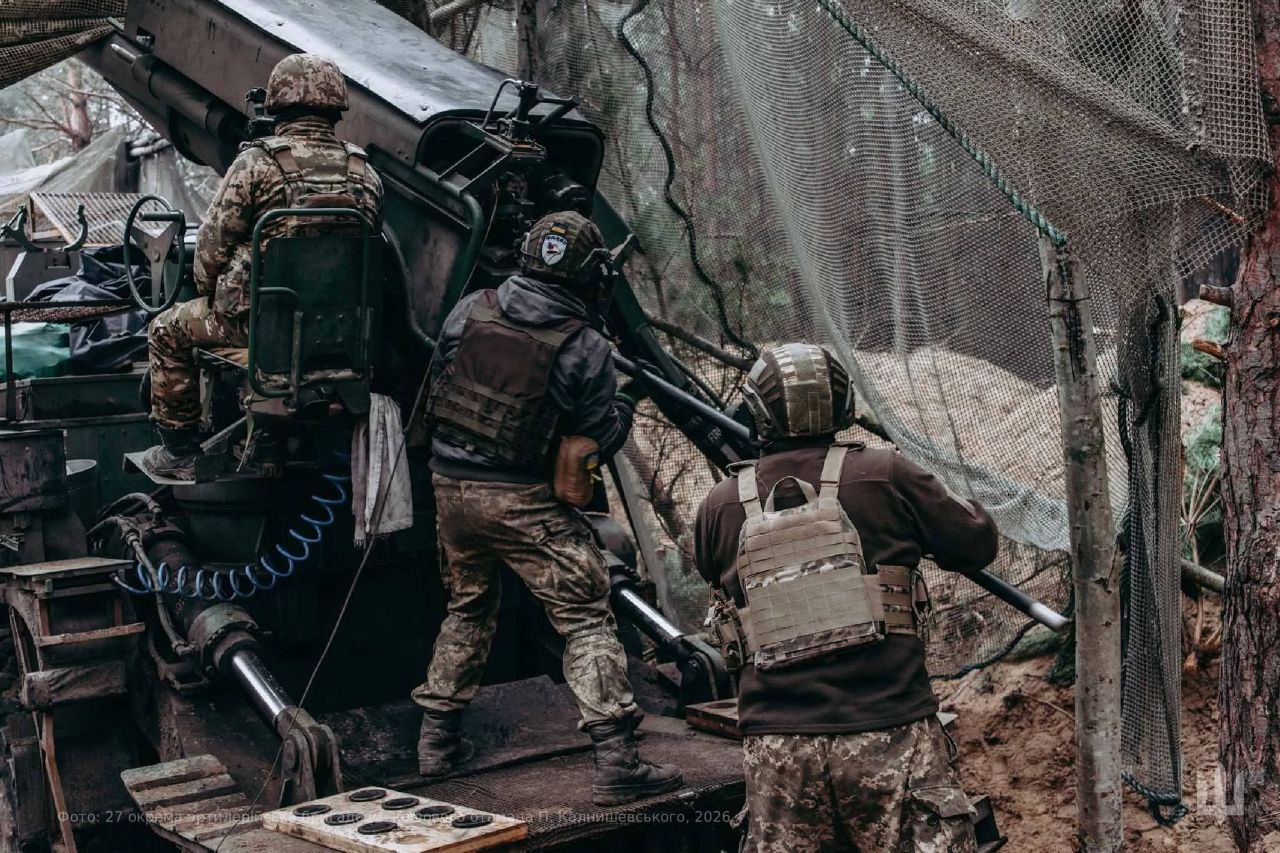
Komarenko explained that on the Oleksandrivka direction there was a decisive shift: where Russians previously operated with massed technical columns, their capabilities are now limited — largely due to the effective use of UAVs. Ukrainian air-assault and assault units, supported by mechanized brigades, carried out a planned offensive operation that went through all necessary coordination stages.
"Almost the entire territory of Dnipropetrovsk region has been liberated. There remain three small settlements to be worked on and two more to be cleared. By the way, thanks to these active actions we have positive dynamics in February — more territory was liberated than lost"
— Oleksandr Komarenko, head of the Main Operations Directorate of the General Staff
Equipment and tactics: the role of UAVs and small groups
The General Staff and outside observers note: the development of UAVs has changed the character of the fighting. Instead of large operations in the open field, the Russians increasingly resist with smaller, localized groups — a tactical approach that is more vulnerable to reconnaissance and concentrated fire. This has given the Ukrainian Armed Forces the opportunity to act more precisely and effectively, minimizing risks to populated areas and logistical hubs.
Context and confirmation
Earlier, on 20 February, President Zelensky reported the liberation of about 300 km² in the south, without disclosing details. On 22 February the Air Assault Forces confirmed offensive actions on the Oleksandrivka direction, and on 23 February Commander Syrskyi spoke of the liberation of 400 km². A journalistic analysis by LIGA.net adds to this picture regarding the Russians' intent to create a buffer zone in Dnipropetrovsk region — a plan that, it appears, was not realized.
What’s next
Strategically, this strengthens the security of Dnipro and adjacent districts, eases logistics and reduces the threat of creating a long-term buffer zone. However, mopping up and consolidation of control over the liberated territories are still needed — this is a technically complex and lengthy process. Analysts and military experts agree that the current momentum is a positive signal, but turning tactical successes into sustainable strategic advantages will require resources, intelligence and partner support.
The key question now is whether these liberations can be turned into a long-term advantage on the southern and eastern flanks of the front, and how quickly partners can bolster the defensive and logistical capacity of our army?



