Merz: Middle East Crisis Is Moscow's Tool to Split NATO
Germany's Chancellor believes that escalation of conflicts in the Middle East is diverting allies' attention from supporting Ukraine and weakening Alliance unity.

By Tetiana Suchkova-Ladik
April 9, 2026 · 1 min read
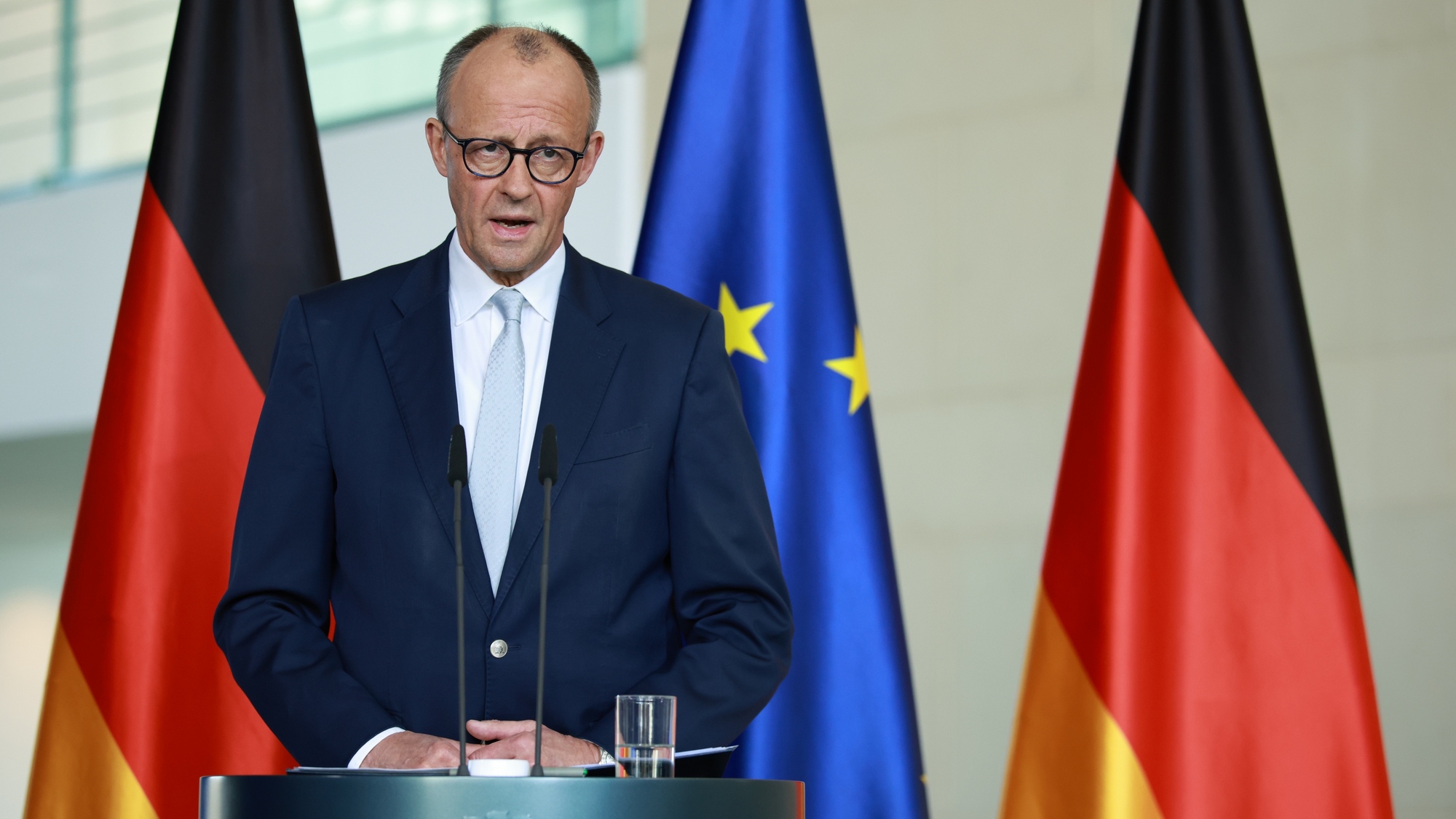
Friedrich Merz publicly articulated what diplomatic circles have been whispering about: escalation in the Middle East works in Russia's favor. Germany's Chancellor warns NATO allies against a scenario where internal disagreements over Gaza or Lebanon undermine the Alliance's unity in support for Ukraine.
Merz's logic is straightforward and concrete: every time NATO fractures along the lines of Middle Eastern conflict — between countries supporting Israel and those imposing conditions — Russia gains diplomatic space. It registers that the West is not monolithic and uses this in negotiations, propaganda, and pressure on wavering allies.
From symbolism to mechanics
The problem is not merely ideological. The rift within NATO has quite practical consequences: delays in aid packages for Ukraine, stalled decisions at the NATO Council level, weakened joint positions in negotiations with third countries. Merz appears to be attempting to shift the discussion precisely into this sphere — from moral debates about the Middle East to the strategic question of who benefits from the disagreements.
Berlin itself, however, is under pressure. German society is deeply divided on supporting Israel, and within coalition negotiations, this topic remains sensitive. Merz's public position is, to some extent, an internal signal: Berlin's geopolitical priority remains unchanged, and that is Ukraine and containing Russia.
NATO as a target, not merely a tool
Analysts have long documented the Russian strategy of multiplying crises: the more fronts opened — the Sahel, the Middle East, the Taiwan Strait in rhetoric — the harder it is for the West to maintain focus. By naming this openly, Merz is betting that allies are capable of recognizing manipulation and consciously resisting it.
The question that remains open is whether NATO countries with markedly different positions on the Middle East — notably Turkey, Hungary, and partly the United States — are willing to accept Merz's framing and place Alliance unity above their own regional interests, if those interests directly contradict Berlin's line.



