Merz: Germany ready to station forces on NATO territory near Ukraine — what it means for Kyiv
At a briefing in Paris, German Chancellor Friedrich Merz pledged participation in monitoring and the possible deployment of forces on NATO territories bordering Ukraine after a ceasefire. We examine the conditions behind this statement and why it matters for Ukraine’s security.

By Tetiana Suchkova-Ladik
January 6, 2026 · 2 min read
In high diplomacy, it's not loud statements that matter, but concrete conditions
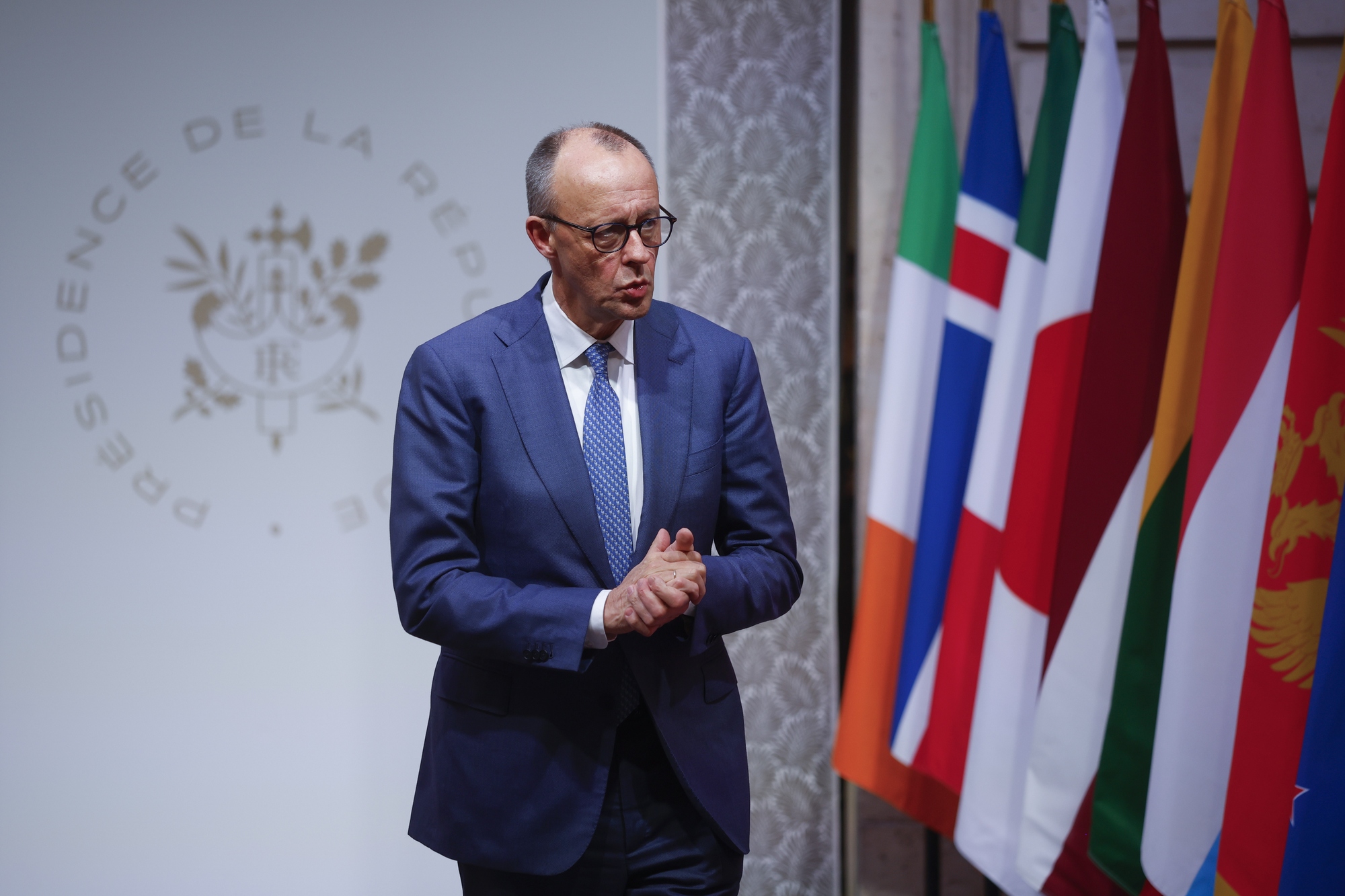
At a briefing in Paris, Germany's chancellor Friedrich Merz spoke not about the immediate deployment of a contingent to Ukraine, but about placing forces on adjacent NATO territory and participating in monitoring a future ceasefire. This is a signal of a change in the format of support: from supplying equipment to a willingness to create a security shield next to the Ukrainian border, but under clear legal and political conditions.
Germany's position
Merz called the meeting of the "coalition of the willing" in Paris a step forward in preparing for a ceasefire. According to him, Germany is ready to assist "on land, at sea and in the air," but only if three key conditions are met: legally binding security guarantees, a ceasefire agreed with the Russian side that will allow the coalition to act decisively, and the ability for each partner to make decisions in accordance with its domestic procedures.
"This, for example, could mean that after a ceasefire we declare forces for Ukraine on adjacent NATO territory. I want to say clearly: regarding the nature and scale of the German contribution, we—the federal government and the Bundestag—will make decisions after those conditions have been clarified. On my own behalf and on behalf of the federal government I will say: in principle we exclude nothing."
— Friedrich Merz, Chancellor of Germany
What practical consequences for Ukraine
If this logic is implemented, Ukraine would gain an additional layer of deterrence: redeployed NATO forces on adjacent territory make any aggression more costly for the adversary and provide more time for a diplomatic response. At the same time, such a scenario requires the consent of the United States and other key partners, clear legal guarantees and approval at the national level (for example, by the Bundestag). Therefore there may be a long period of coordination between the promise and its implementation.
Context and signals from partners
Merz's statements need to be read alongside two facts: on 3 January Volodymyr Zelensky emphasized that the effectiveness of the "coalition of the willing" depends on the readiness of key countries for a military presence after a ceasefire; on 6 January in Paris Zelensky, Emmanuel Macron and Keir Starmer signed a declaration of intent regarding the deployment of multinational forces. This is not happening in a vacuum — there is political movement toward clearer guarantees.
Conclusion — what next?
Germany's statement is an important element in constructing post-war security: it raises the chances of real deterrence, but does not replace legal agreements and practical steps. The key now is to turn declarations into concrete schedules, control mechanisms and partner commitments, including from the United States. Without that, words will remain politically important but of limited effectiveness. Whether partners are ready to move from intent to implementation is the question on which Ukraine's level of security in the coming years will depend.



