Merz Promised Taurus in Opposition—and Stays Silent About It as Chancellor. Greens Call This 'Making Excuses'
On the eve of Zelensky's first visit to Berlin under the new government, Bündnis 90/The Greens faction deputy chair Agnieszka Brügger publicly accused Merz of repeating Scholz's tactics and giving Russia time.

By Tetiana Suchkova-Ladik
April 14, 2026 · 2 min read
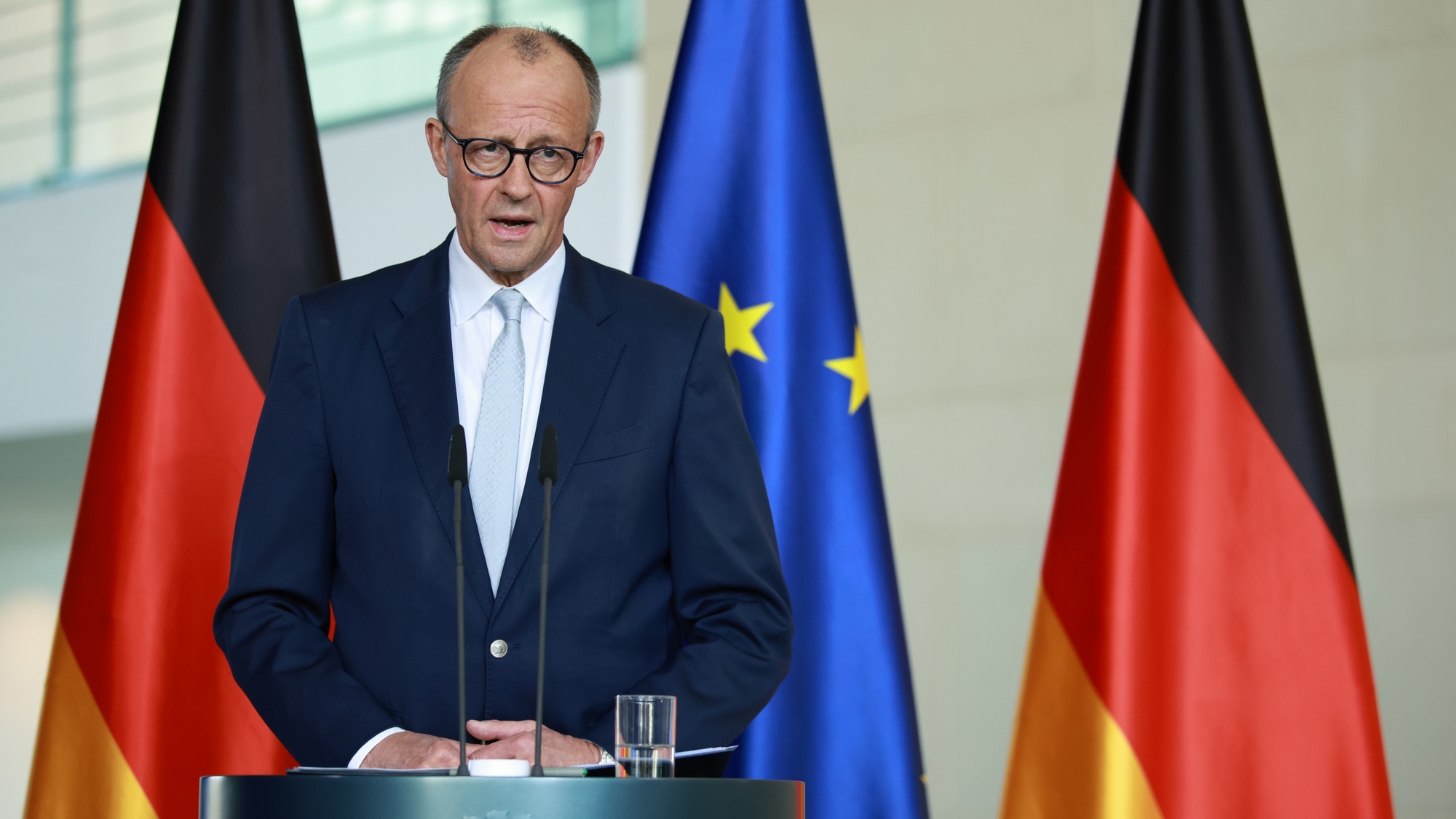
On April 14, 2025, Berlin receives Zelenskyy for the first intergovernmental consultations between Ukraine and Germany in many years. But even before the meeting begins, the opposition in the Bundestag has posed an uncomfortable question: how does the new chancellor differ from his predecessor?
"New Excuses" Instead of Taurus
Deputy head of the parliamentary faction of the Greens Agneszka Brügger told AFP that the transfer of Taurus cruise missiles to Ukraine is "long overdue." According to her, Merz on the Taurus issue "with all his justifications has become a new Olaf Scholz" — that is, he repeats the rhetoric of delay that he himself criticized earlier.
"Due to Donald Trump's course and Russian destruction of energy infrastructure in winter, the list of arguments in favor of supplying Taurus has only grown."
Agneszka Brügger, deputy head of the Greens faction in the Bundestag, AFP
The Greens are represented by 85 seats out of 630 in the Bundestag. They are in opposition, but they are the largest party that publicly pushes the government from the position of stronger support for Ukraine.
What Merz Promised and What He Does as Chancellor
In mid-April, on the eve of his inauguration, Merz stated on ARD that he was ready to transfer Taurus provided there was coordination with European partners. According to Euronews, he claimed that Ukraine needs to "move forward." Meanwhile, Scholz, until the end of his tenure, categorically rejected the transfer of missiles — due to the risk of escalation.
However, after taking office, Merz's position became more blurred. According to materials from ZDF and Handelsblatt, the coalition partner — the SPD — is resisting a change in course regarding Taurus, and the issue remains a subject of internal dispute within the government.
Context: What Is at Stake on April 14
The consultations on April 14 are the first format of this level between the two governments in many years. Zelenskyy is coming not only for support, but also for signals: whether Berlin's actual course has changed, or only the rhetoric.
- Taurus — a cruise missile with a range of about 500 km. It would allow Ukraine to strike logistics and command facilities deep in Russia's rear.
- Coalition bloc — the SPD, which is part of Merz's government, prescribed a refusal of Taurus in its pre-election program.
- Precedent of partners — Great Britain and France have already transferred their own long-range missiles to Ukraine. Merz in the past appealed precisely to their example.
The pattern that Brügger describes is already documented: Merz told the Bundestag that he "sees no point" in transferring Taurus because Ukraine is developing long-range weapons itself. This is an argument that he himself did not recognize before.
What Happens Next
If, following the consultations on April 14, Berlin again limits itself to general promises of support without a specific decision on Taurus — Brügger's criticism will have new grounds. Then the question is no longer whether Merz will become a new Scholz, but whether the SPD as a coalition partner has de facto blocked the change of course that voters expected from the new chancellor.



