Mindichgate: Where the extradition stands and why it matters for trust in the state
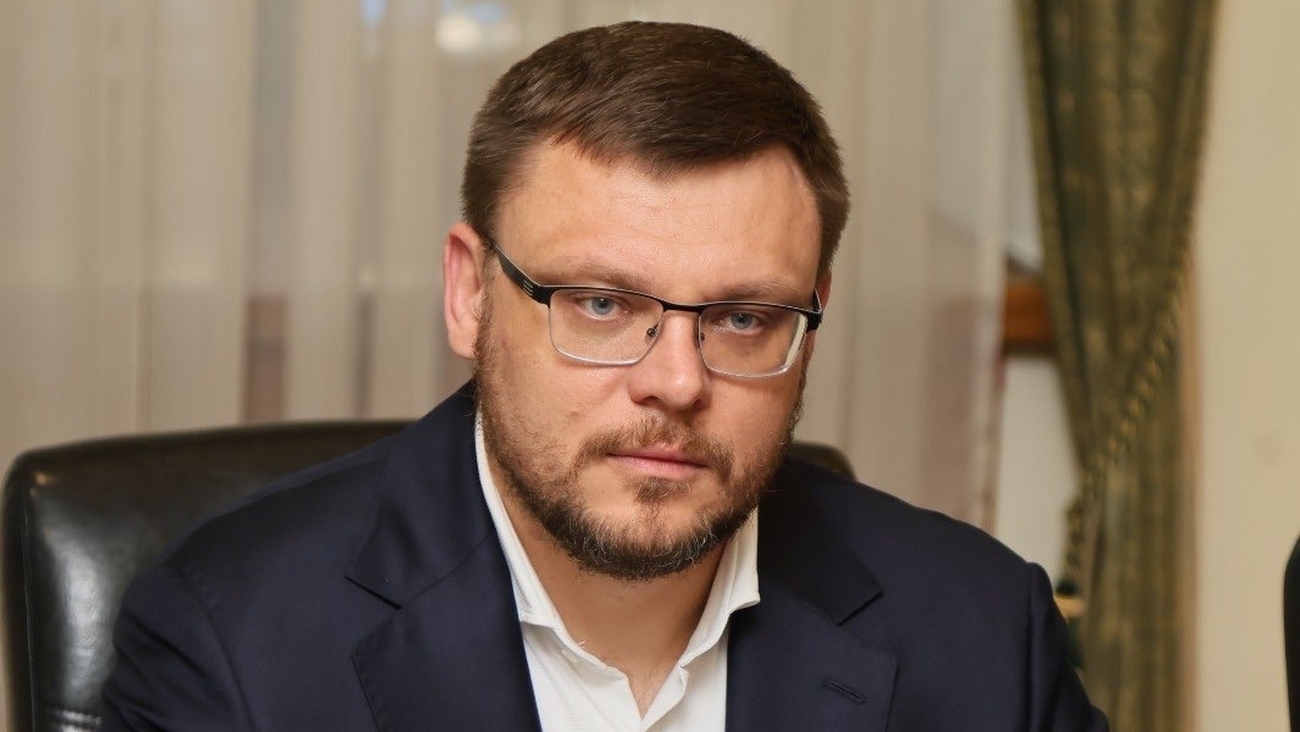
NABU Director Semen Kryvonos explained why the extradition of suspects in Operation "Midas" will be delayed and what the success depends on — from the evidentiary base to international coordination with Israel and the EU.

By Tetiana Suchkova-Ladik
February 10, 2026 · 2 min read
What is happening now
Ukraine’s anti-corruption agencies are working on the extradition of suspects in the “Midas” case, but the process is not linear. According to the director of NABU, a request for extradition will be sent after the completion of the relevant procedures, and then the case will require coordination with partners, including Israel and about ten other jurisdictions.
"About the extradition procedure — indeed it is ongoing. It is a rather lengthy process"
— Semen Kryvonos, director of NABU
Why the process is delayed: brief and to the point
There are four practical reasons extradition can take months or even years: gathering and confirming the evidence base, conducting expert examinations, receiving responses to requests for international legal assistance, and procedural requirements in the countries where the suspects are located. NABU and SAPO are currently concentrating on obtaining information about financial transactions, accounts and assets — these data form the basis for the requests.
Who exactly is meant
According to the investigation publicly covered by Ukrainska Pravda (December 2025), Timur Mindich and Oleksandr Tsukerman are in Israel. Both left Ukraine before charges were announced. The exact whereabouts of the figures and international procedures will determine the format and timing of cooperation with the Israeli side.
What NABU says — and what it means for the public
"I am not announcing any charges, but we [NABU and SAPO] expect new details, which we will communicate to the Ukrainian public. We are simply trying to communicate cautiously at this stage. This is related to certain aspects of gathering the evidentiary base, conducting the relevant expert examinations, receiving responses from international jurisdictions, communication with international partners"
— Semen Kryvonos, director of NABU
This is a practical message: the investigation continues, and public communication is limited by procedural risks. This approach aligns with international standards — hasty statements can ruin the chances of a successful extradition and subsequent prosecution.
Next steps and likely scenarios
Expected actions: sending formal extradition requests, continuing interaction with Israel and EU jurisdictions, completing expert examinations and obtaining bank data. Possible outcomes range from a successful extradition followed by criminal proceedings to a scenario in which the state must seek alternative mechanisms to hold those responsible (for example, asset recovery or civil proceedings).
Conclusion
This case is not only about individual figures. It is a test for Ukrainian institutions and international cooperation: can they consistently turn the investigation into real results without procedural mistakes. The question to ask partners and the leadership of law enforcement agencies is whether there will be enough pace and determination for the evidentiary work to outpace political risks?



