Ministry of Defense creates units that "hunt" drone operators — why this matters for security
Minister Fedorov announced the formation of drone‑assault and hunter units to neutralize Russian UAV operators — we explain how this alters the tactics of the Armed Forces of Ukraine and what resources are needed to scale them up.

By Tetiana Suchkova-Ladik
January 20, 2026 · 2 min read
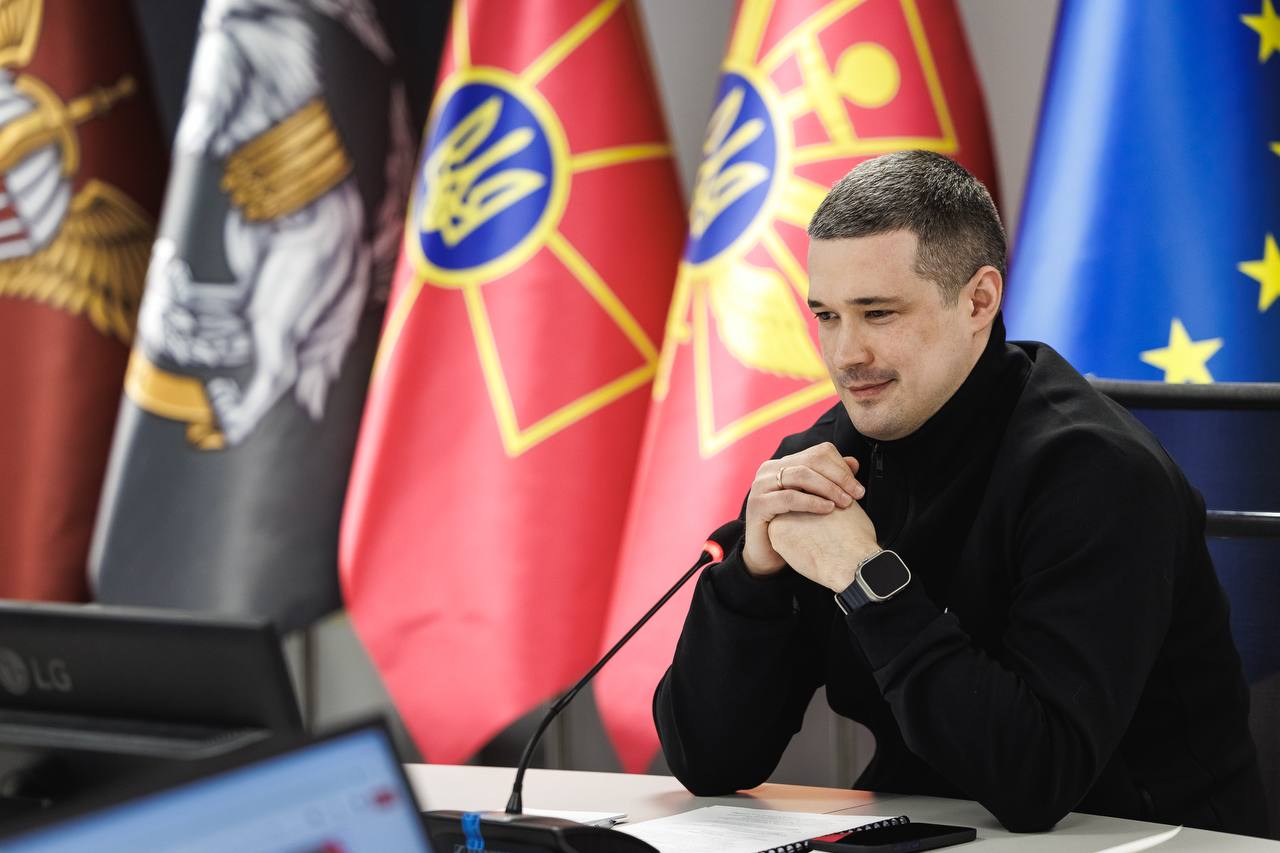
Position of the Ministry of Defense
Minister of Defense Mykhailo Fedorov, during a meeting with the media cited by LIGA.net, announced the creation of units specializing in detecting and neutralizing Russian drone operators. This is not just a new name — according to the minister, it concerns a separate tiered tactic and a staff structure.
"Our task is to drive Russian drone operators off the battlefield. To form units that hunt solely for drone operators."
— Mykhailo Fedorov, Minister of Defense (via LIGA.net)
What is already being done and why this is not an experiment
Fedorov emphasized that such units are already being formed but need to be scaled up: different staffing, a different doctrine for drone employment. The minister cited the operation codenamed Code 9.2 in Kupiansk as a tactical showcase of the approach they plan to replicate.
"They have a different staffing and doctrine for drone employment. Recently, Code 9.2 carried out a unique operation in Kupiansk. This tactic works, so drone-assault units are the future. You'll hear more about them"
— Mykhailo Fedorov, Minister of Defense (via LIGA.net)
Context: why this is happening now
Analysts note that the Russian escalation in the use of strike UAVs recently has been accompanied not only by an increase in stocks of "Shaheds," but also by an expansion of the personnel operating them. Thus, Defense Express weapons expert Kyrychevskyi noted that the attack on Kyiv on December 27 indicates heightened activity and personnel resources on the part of the adversary.
In addition, according to analyst Syrskyi, in 2026 the Russians plan to significantly increase the number of UAV personnel — to over 160,000 people, which makes the issue of countering operators critical for the defense of critical facilities and rear supply routes.
What this means in practice
The shift from reactive air defense to proactive detection of operators changes the emphasis: more reconnaissance, electronic warfare, counterintelligence and targeted strikes on the enemy's command-and-control infrastructure. For the reader, this means one simple thing — the effectiveness of counter-drone measures directly affects the security of infrastructure and the lives of people in areas close to the front.
Conclusion
The MoD's initiative has tactical grounds and confirmation from field operations and analysts. However, the key question is scale and resources: will there be enough trained personnel, equipment and international support to turn the idea into a sustainable defense mechanism? For now we see the logic of moving toward proactive actions — going forward, their integration into the overall defense system and support from partners will be important.



