"60-Day MOA: USA and Iran Close to Signing, But Key Nuclear Issues Remain Unresolved"
Washington and Tehran are ready to halt hostilities for another two months and open the Strait of Hormuz, but the fate of 408 kg of enriched uranium and the mechanism for verifying the nuclear program remain outside the memorandum's scope.

By Tetiana Suchkova-Ladik
May 24, 2026 · 3 min read
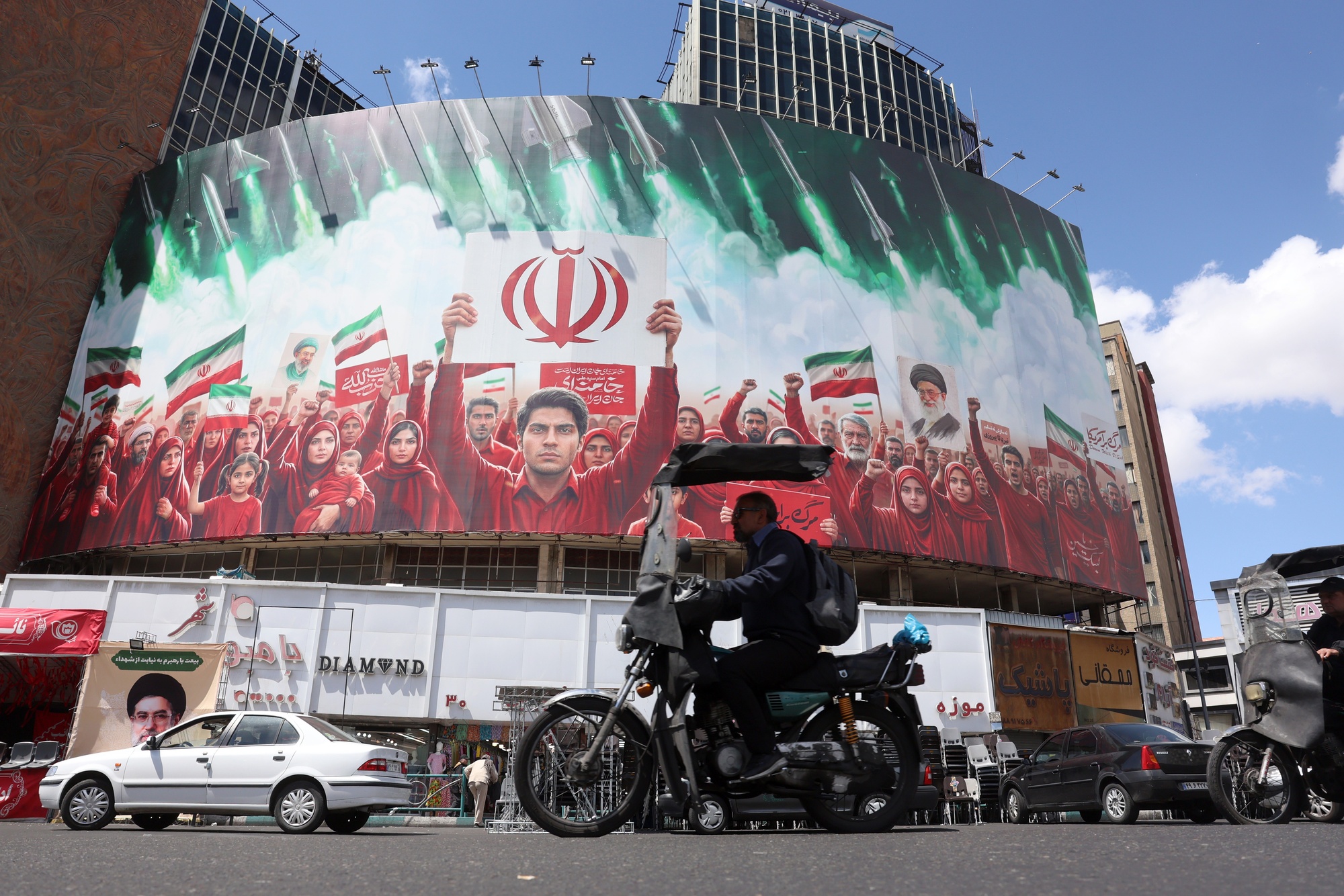
Trump wrote on TruthSocial that a deal with Iran is "basically agreed" and will be announced within hours. According to an American official who briefed Axios on the draft document, the parties are ready to sign a one-page memorandum of understanding (MOU) with 14 points for a 60-day period.
What's Inside the Document
According to Axios's account, during the 60-day ceasefire, the Strait of Hormuz opens without any tariffs, Iran commits to demining the strait, and the US lifts its naval blockade of Iranian ports and issues sanctions waivers for oil sales. The principle that the American side identifies as key is "relief in exchange for action": the faster Iran demines the strait, the faster the blockade is lifted.
According to Times of Israel, the MOU also contains a clause on ceasing war "across the region, including Lebanon" — a significant expansion compared to the April ceasefire, which did not cover Lebanon.
Meanwhile, Axios reports that the document launches at least a 30-day negotiating track on three issues: opening the strait on a permanent basis, limiting Iran's nuclear program, and lifting US sanctions. Negotiations could take place in Islamabad or Geneva.
The Nuclear Issue: Moratorium Without Guarantees
The most sensitive point is enriched uranium. According to Steve Witkoff, Trump's special envoy, Iran is approximately a week away from accumulating industrial-grade material for nuclear weapons. Tehran has still not transferred over 408 kg of highly enriched uranium.
"They're probably about a week away from getting industrial-grade material for weapons production. That's really dangerous."
Steve Witkoff, Fox News
Washington is pushing for a moratorium on enrichment lasting at least 12 years with the right to resume enrichment to 3.67% levels after the agreement's conclusion — on the condition of renouncing nuclear weapons and allowing UN inspectors to conduct unannounced inspections. According to Times of Israel, the MOU provides for the removal of HEU stocks from Iran, but the specific verification mechanism and timelines are not fixed in the current draft of the document.
Parties' Reactions: Differences in Definition
Iran's Foreign Ministry called the document a "framework agreement" for further negotiations — not a final settlement. Spokesman Ismail Baghaei clarified that Tehran insists on including "key issues necessary to end the imposed war." This formulation is significantly broader than what is fixed in the American version of the draft.
Secretary of State Marco Rubio reiterated the US's unwavering position: Iran will never have nuclear weapons, must transfer HEU, and must guarantee freedom of navigation. Regional players — Saudi Arabia, the UAE, Qatar, Turkey, Egypt, Jordan, and Pakistan — called during a call with Trump to accept the proposed framework, but according to a CNN source familiar with the conversation contents, the regional players themselves are divided in assessing whether the 60-day extension is worthwhile.
The MOU was prepared jointly by Witkoff and Jared Kushner together with Iranian negotiators — both directly and through Pakistani and Qatari intermediaries.
- What the MOU fixes: 60-day ceasefire, phased opening of Hormuz, partial sanctions relief, launch of negotiations
- What remains outside the MOU: timelines for HEU removal, nuclear verification mechanism, Lebanon's status in details
- What can cancel the agreement: if negotiations after signing reach a deadlock — the US retains the right to resume the blockade or military action
The MOU is neither a peace treaty nor a nuclear deal. It is a 60-day buffer that gives both sides time not to fight. The question is whether it will become the foundation for real agreements or — as in April — another pause before the next escalation: if Iran does not remove HEU before the deadline expires, Trump will either announce the failure of negotiations or once again extend the ceasefire.



