Mobilization Can't Keep Up with Losses: Bloomberg — the Kremlin May Focus on Donbas or Zaporizhzhia
According to Bloomberg and Western officials, Russia’s monthly recruitment is lagging behind its combat losses. That is forcing the Kremlin to change tactics — and what that means for the front line and support for Ukraine.

By Tetiana Suchkova-Ladik
February 24, 2026 · 2 min read
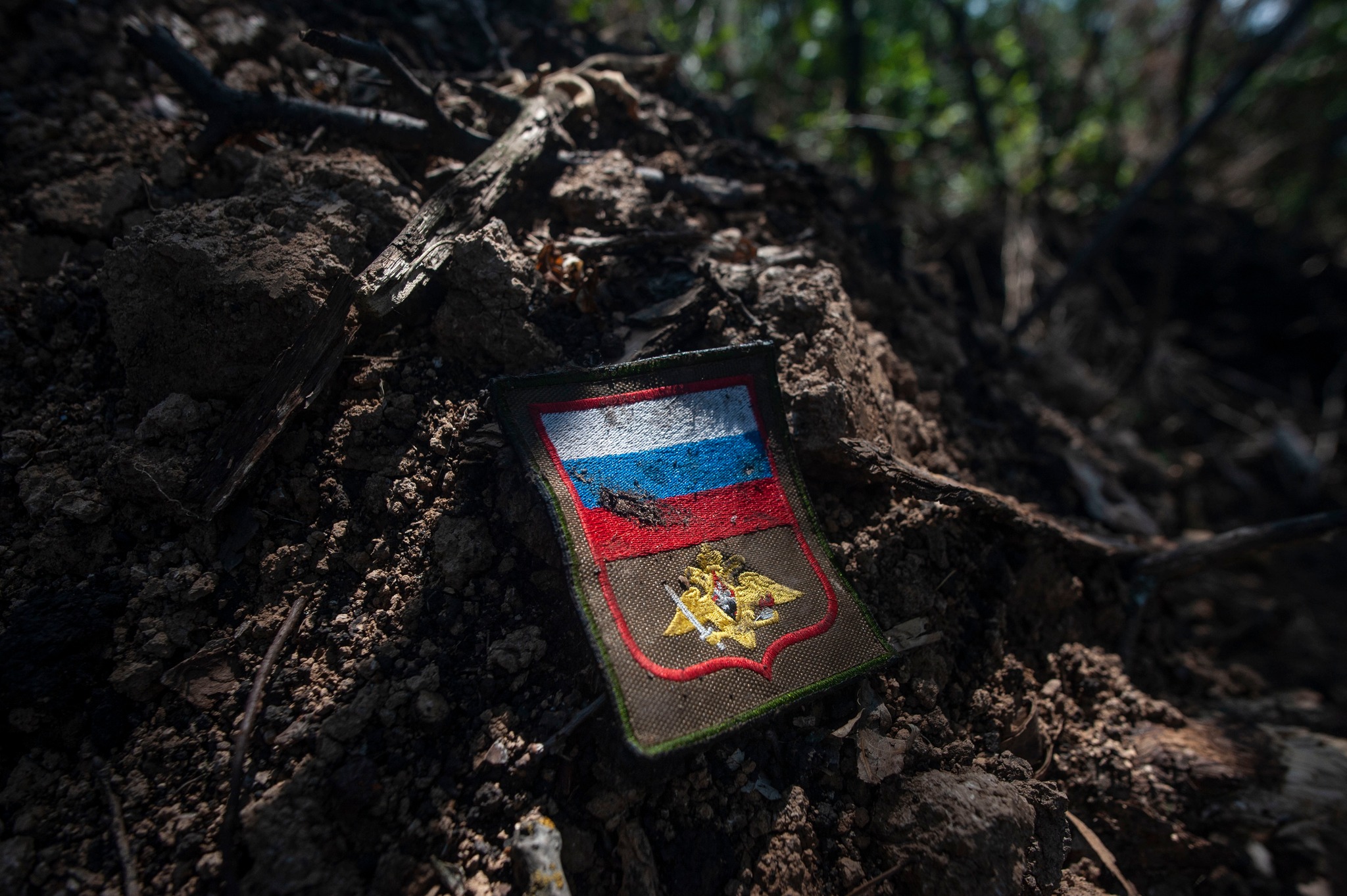
Losses and mobilization: numbers that change the Kremlin’s plans
According to Bloomberg and several Western interlocutors, losses of Russian forces on the front have for three months now exceeded the number of mobilized personnel — roughly 30–35 thousand new recruits per month. This is not just statistics: such an imbalance forces a reassessment of operational priorities and reduces the Kremlin’s ability to conduct large-scale operations simultaneously.
Analysts and officials suggest that under these conditions Russia may prefer to concentrate its strike on a limited sector — the so-called “fortress belt” in the Donetsk region — or try to resume an advance in Zaporizhzhia. For Ukraine, this means a need to redistribute defensive resources and strengthen priorities in logistics and intelligence.
“Losses consistently exceed replenishment; this changes the Kremlin’s operational calculations”
— Western officials, Bloomberg
Technical factors: communications and personnel shortages
The personnel shortfall increases Russian forces’ dependence on foreign fighters, British Defence Secretary John Gili noted in comments to Bloomberg. This affects not only the quantity but the quality of combat units — their combat effectiveness becomes less predictable.
Separately, Western interlocutors point out that a disruption in Starlink significantly complicated Russia’s ability to conduct effective operations at medium ranges up to ~150 km, from which reconnaissance-strike drones were operating. However, the impact on the actual line of contact was smaller: in static sectors the occupiers rely more on fixed networks.
“Russia increasingly depends on foreign fighters in response to the personnel shortage”
— John Gili, British Defence Secretary
Context for Ukraine
This information overlays Ukraine’s internal data: the president reported about 55,000 fallen defenders, and the command points to a large number of missing in action. Separate indicators show that 2025 was the first year when Russia’s losses exceeded its replenishment — an important indicator for defense planning and support.
- Russian losses exceed monthly recruitment (30–35 thousand).
- Technical failures reduce the occupiers’ long-range capabilities, but do not remove the threat at the frontline.
What this means and what steps are needed
If the Kremlin opts to localize its strikes, this will increase the risk of concentrated escalation in specific directions — and at the same time create an opportunity for Ukraine to reallocate forces and strengthen key lines. It is also a clear signal to partners: stable material, technical and informational support remain a key factor in deterring the offensive.
The combination of precise intelligence, reliable communications and uninterrupted ammunition supply will determine whether the weakening of the adversary can be exploited and its refocusing prevented. Diplomacy, logistics and operational planning are now as important as combat power.



