IOC opens investigation into Infantino after joining Trump's council — risks for FIFA and Ukraine's standing
The International Olympic Committee is examining whether the head of FIFA breached political neutrality by signing an investment agreement for the Gaza Strip at a Donald Trump event. The matter is important not only for FIFA's image but also for sport's ability to uphold its principles during wartime.

By Tetiana Suchkova-Ladik
February 21, 2026 · 2 min read
Why this matters now
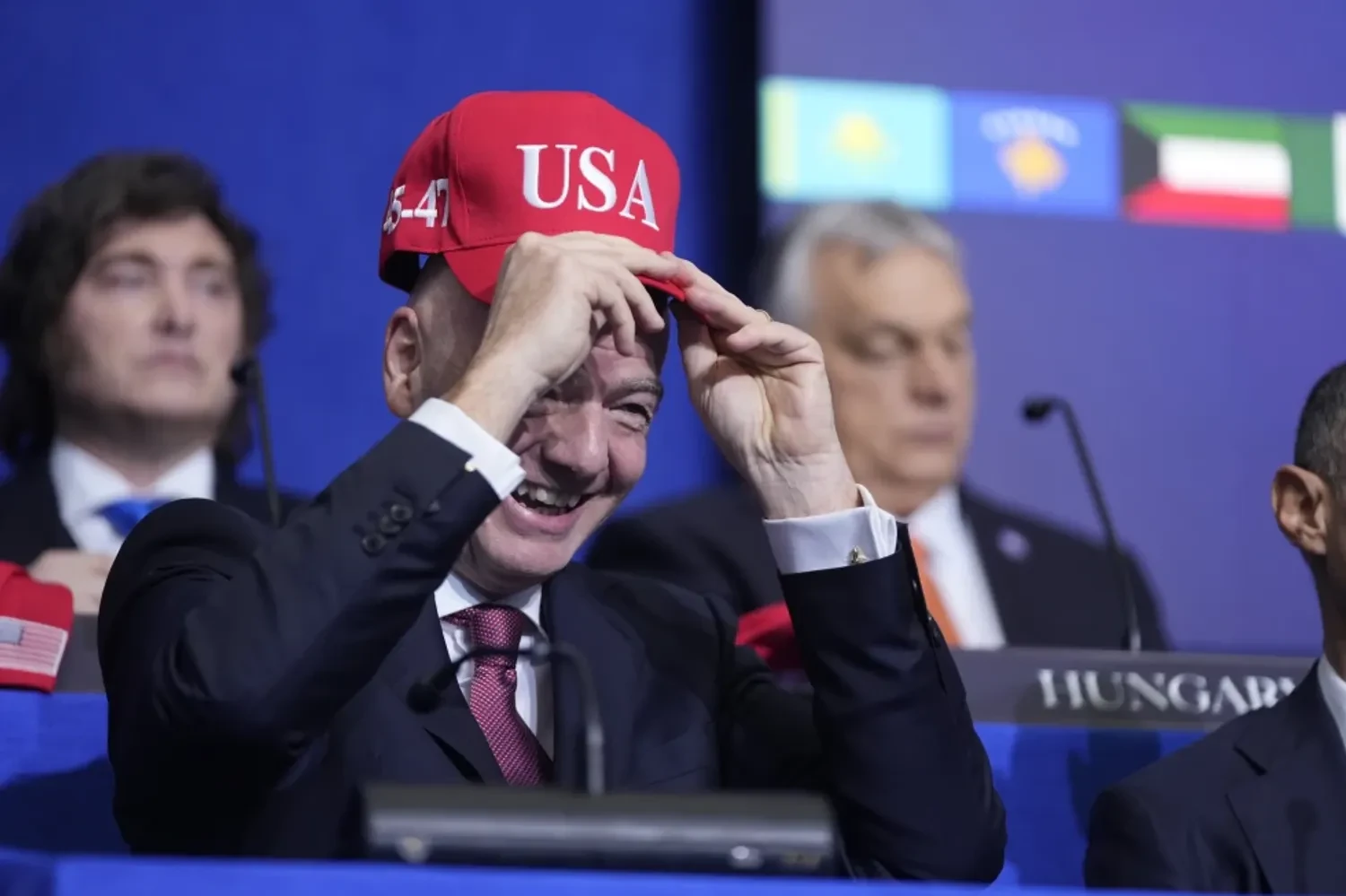
The International Olympic Committee (IOC) has announced the launch of an investigation into FIFA president Gianni Infantino following his participation in a meeting of the so‑called "Council of Peace" in Washington, where an agreement was signed to invest $75 million in football infrastructure in the Gaza Strip. The initiative was reported by AP and UNN; this prompted a review to determine compliance with the principle of political neutrality.
What happened
Infantino took part in an event initiated by former U.S. President Donald Trump, where financial agreements were signed on developing football in the Gaza Strip. The IOC notes that the Olympic Charter requires its members to avoid political gestures that could call into question the neutrality of sports institutions.
"The Olympic Charter very clearly defines what it expects of its members. We will conduct an investigation into the signing of documents, because the IOC must remain politically neutral to ensure fairness in sport."
— Kirsty Coventry, IOC President (statement, 20 February, Milan)
Background: Infantino's positions that raise concern
Infantino has repeatedly made statements that provoked criticism. In early February 2026 he openly spoke in favor of reinstating Russia's national team to international competitions, which prompted a strong reaction from Ukraine's Ministry of Sport. Because of such steps by the head of FIFA, he was also added to the database of the Myrotvorets site.
"These actions are infantile and irresponsible — separating sport from a reality where people are dying means legitimizing crimes."
— Matvii Bidnyi, Ukraine's Minister of Sport
Consequences for FIFA, the IOC and Ukraine
The IOC investigation is not just an internal procedural matter. It raises questions about the boundaries between humanitarian initiatives, diplomacy and political support. For FIFA, it is a risk of reputational damage and increased scrutiny from other sports institutions. For Ukraine, it is another signal that international sports bodies cannot ignore the context of war: any steps perceived as normalizing the aggressor or collaborating with media‑ and politically‑engaged actors will have consequences.
Experts and commentators, including AP, note that the involvement of sports officials in politically charged events creates a precedent that is difficult to control. If international organizations allow hybrid formats of cooperation without clear rules, this will weaken mechanisms for protecting neutrality and accountability in sport.
What’s next — scenarios
The IOC will demand official explanations from Infantino; possible consequences range from formal warnings to disciplinary measures, depending on the results of the investigation. In addition, the matter will put extra pressure on FIFA to be transparent about its ties with political actors, particularly in the context of preparations for the FIFA World Cup 2026.
For Ukraine, it is important to continue focusing on evidence‑based argumentation: demonstrating how certain decisions affect the security and moral legitimacy of international sport. The question for partners remains open: will sports institutions resist the temptation of political gain when reputation and principles are at stake?



