Moscow closes airspace up to 5 km: how its own air defense shot down a civilian plane and what the new ban will change
# Russia Bans Civil Aircraft Below 5,100 Meters in Moscow Airspace Starting June From June, Russia is prohibiting civil aircraft from flying below 5,100 meters in the Moscow airspace zone — spanning from the Belarusian border to Samara and Yekaterinburg. No official reason has been provided, but the timeline points to a crash near Kolomna, where air defense shot down its own light aircraft.

By Tetiana Suchkova-Ladik
May 25, 2026 · 2 min read
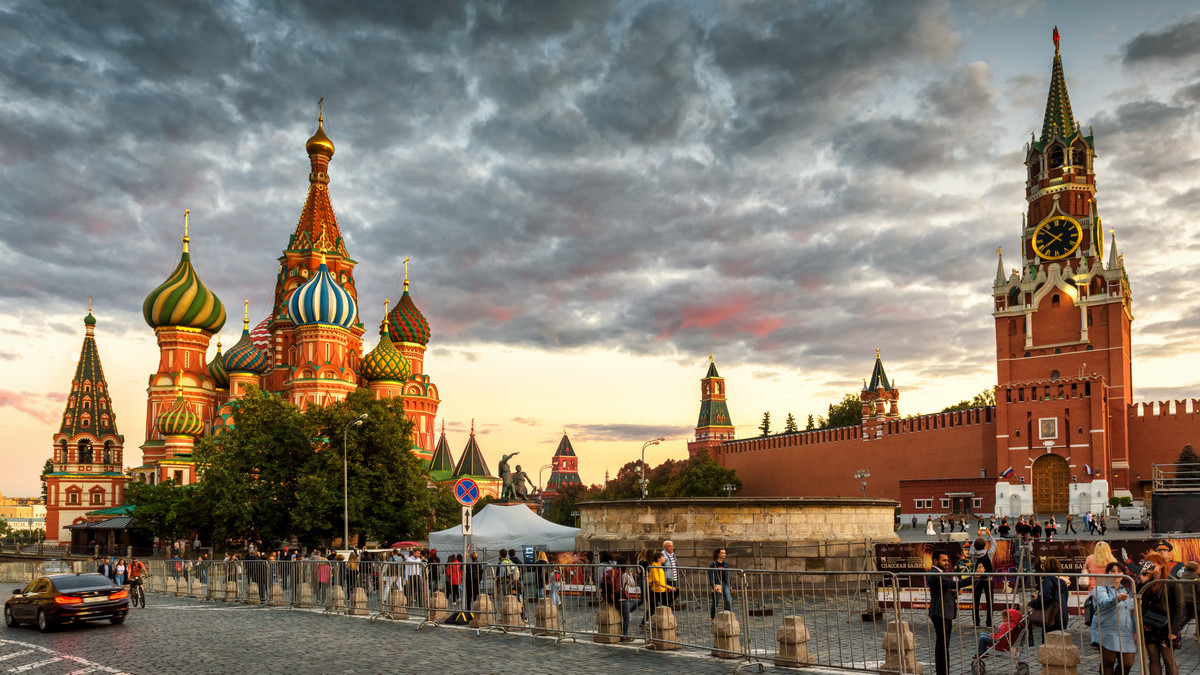
In early June 2026, civilian airspace around Moscow will essentially disappear for small aircraft. Flights below 5,100 meters in the Moscow airspace will be completely banned — warned by the Interregional public organization of pilots and aircraft owners (AOPA). There is no official NOTAM notification from Rosaviation yet, but AOPA says it will appear "in the near future."
The zone covers almost all of European Russia
The restrictions extend far beyond the Moscow region. According to AOPA, the banned zone stretches from the border with Belarus in the west to Samara airspace in the east and St. Petersburg airspace in the north. Essentially, the central part of European Russia — the most densely populated and economically active — falls under the restrictions.
The following are not subject to the ban: scheduled and charter flights to airports, ambulance aviation, medical evacuation, agricultural aviation work, infrastructure monitoring, and flights under government contracts. In other words, commercial airlines will continue operating — small and private aviation will suffer.
What happened near Kolomna
Rosaviation has not officially stated the reason for the new restrictions. However, in comments to AOPA's announcement, members of the aviation community point to a specific incident: March 20, 2026, a small-engine aircraft crashed near Kolomna — in the same Moscow region. Two people died.
"Air defense forces mistook the aircraft for a Ukrainian UAV and opened fire on it."
Telegram channel MNS citing its own sources
According to reports, aviation blogger Pavel Koshkin may have been on board. At the time of the crash, local authorities reported "shooting down three drones" — with no mention of the civilian aircraft. Rosaviation launched an investigation but has not released even preliminary findings in almost two months.
Why the ban is a symptom, not a solution
The new rules codify what has already become reality: Moscow airspace below 5 kilometers is an active air defense zone where it is technically difficult to distinguish a civilian Cessna from a Ukrainian kamikaze drone, and the price of error is human lives. According to Safe Airspace, Russian air defense systems can hit targets at all altitudes, and daytime incidents have become common alongside nighttime attacks.
- March 2026: Air defense shoots down civilian aircraft near Kolomna — two killed
- May 2026: Mass drone attacks — over 450 delayed flights at Moscow airports, passengers sleeping on terminal floors
- June 2026: Planned ban on flights below 5,100 meters
The timeline looks like a reaction to accumulated incidents rather than systematic planning. The ban is being introduced without public explanation and without a compensation mechanism for small aviation operators whose businesses are effectively being shut down.
If Rosaviation fails to publish the findings of the Kolomna crash investigation — it will mean that new rules close the skies but do not close the question: how many more "drones" will turn out to be our own aircraft while air defense fires and the regulator stays silent.



