Possible dismissal of Malyuk: what a change in SBU leadership would mean for Ukraine's security
LIGA.net cites sources reporting the likely resignation of Vasyl Malyuk and the possible appointment of "Alpha" commander Yevhen Khmara. We examine why this matters now and what consequences it could have for the security service's operational work and partners' trust.

By Tetiana Suchkova-Ladik
January 5, 2026 · 2 min read
What sources report
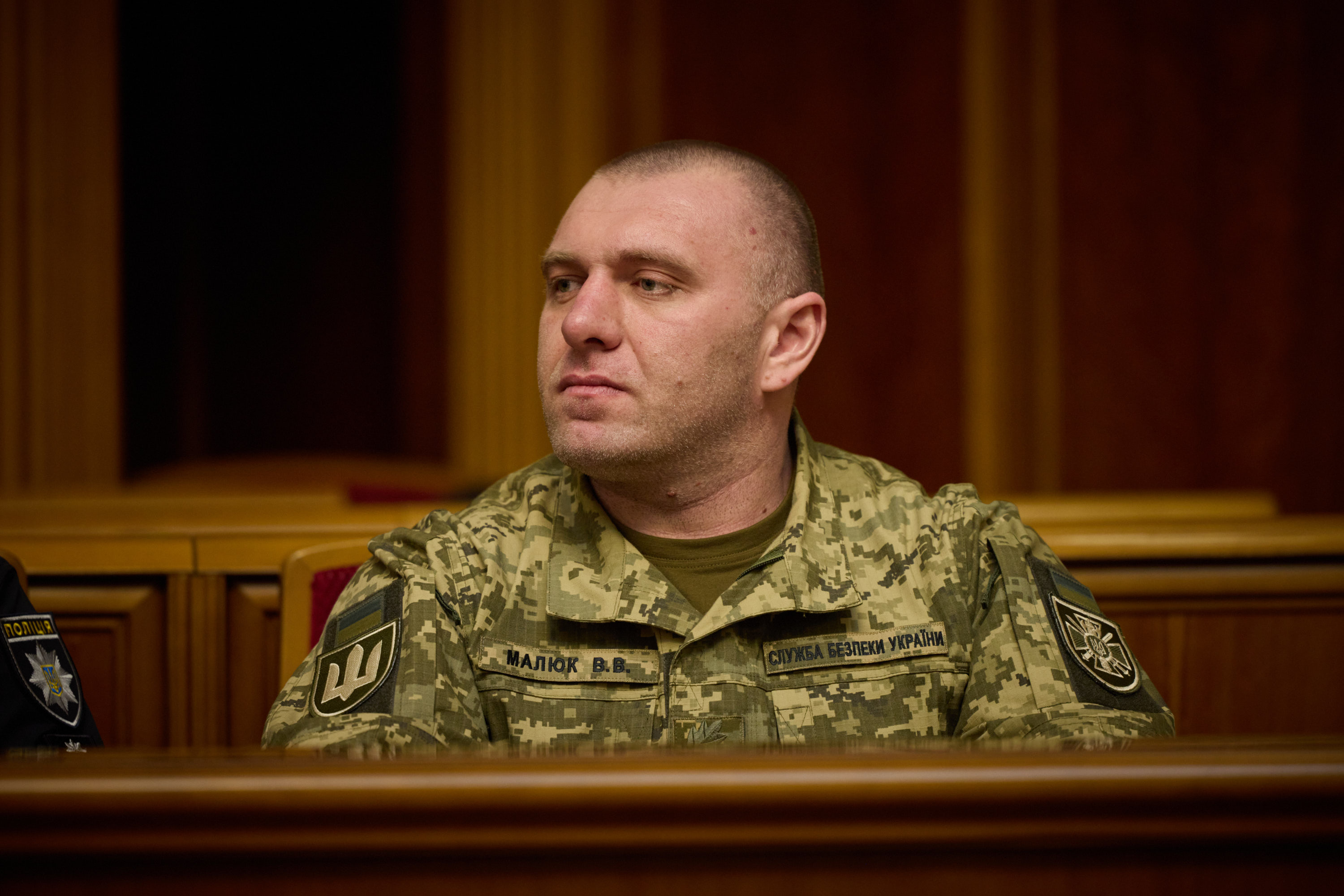
Two interlocutors of LIGA.net, close to the Defense Forces, said that the head of the Security Service of Ukraine, Vasyl Malyuk, may resign. One of them claims that Malyuk has allegedly already agreed to write a resignation letter. Sources emphasize: the situation is dynamic, and no final decision has been made yet.
Who could become the next head
Major General of the SBU Yevhen Khmara is named as a possible successor; on 25 August 2025 he was appointed head of the Special Operations Center "A" ("Alpha"). This unit is responsible for counterterrorist and special operations — that is, for the operational component that has a direct impact on security at the front and in the rear.
Political background and reactions
“I find it very hard to believe that the Verkhovna Rada — understanding how Vasyl Malyuk and the SBU operate, in particular what we see regarding the Russian Federation and spies, and in general — will find the votes.”
— Roman Kostenko, people's deputy (faction "Holos")
Deputies and some political actors have already expressed support for Malyuk; MP Kostenko doubts that the Verkhovna Rada will back his dismissal. LIGA.net also sought comment from the SBU and the commander of "Alpha", but had not received responses at the time of publication.
Earlier, on 2 January, a number of media outlets (including Ukrainska Pravda) wrote about possible reshuffles in the security bloc — among other things mentioning options to transfer Malyuk to other structures or changes at the head of the SBU. On the same day the president made personnel appointments in other services: Budanov — to the Office of the President, Ivashchenko — to the Main Intelligence Directorate (HUR).
Why this matters
Changing the head of the SBU is not just a personnel matter. Continuity of counterintelligence, coordination of special operations and trust of international partners directly depend on the stability of leadership and the transparency of the appointment process. When the security bloc undergoes a series of reshuffles, it can signal either a need to renew management approaches or political bargaining within the elites.
Security analysts note: if this is a planned rotation — it is important that it happens under operational logic, and does not become a tool to undermine the effectiveness of services during wartime.
What happens next
The immediate steps to watch are: official comments from the Office of the President, the SBU’s position, a plenary vote in the Verkhovna Rada (if a submission is made), and the reaction of Ukraine’s partners. Rather than speculating, it is important to wait for confirmation and to assess not an isolated change, but its impact on the country’s security system.
The question is clear and simple: will these personnel decisions be aimed at strengthening operational capability and coordination between services, or will they become a source of uncertainty at a critical moment for the country?



