Peace Plan at a Crossroads: Marco Rubio Warns Against Illusions Ahead of Meeting in Miami
The diplomatic marathon aimed at ending the war in Ukraine has entered its most difficult phase. U.S. Secretary of State Marco Rubio confirmed some "progress," but warned that the most painful issues remain unresolved. As Washington prepares for another round of consultations in Miami, the parties' positions on territory and security remain diametrically opposed.

By Tetiana Suchkova-Ladik
December 19, 2025 · 2 min read
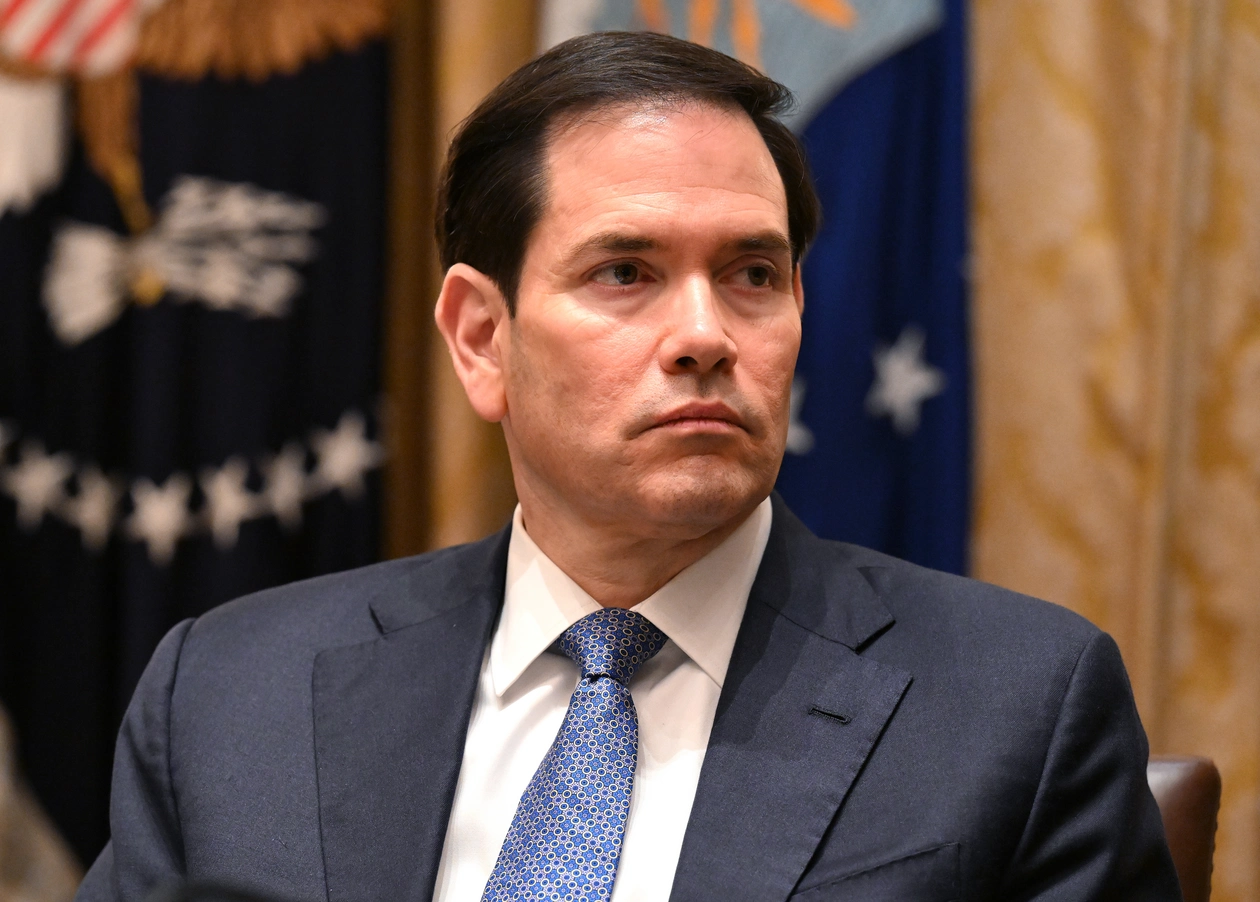
According to Marco Rubio, the U.S. administration is making enormous efforts to find common ground between Kyiv’s and Moscow’s positions. However, he stressed: the United States is only helping to seek a compromise, and the final decision must be made directly by Ukraine and Russia. “The hardest questions usually remain for last,” the Secretary of State summarized in a comment to Politico.
Donbas: “Free zone” or occupation?
One of the most controversial items under discussion has been the fate of the Donbas. Sources close to the talks say the idea of creating a so‑called “free economic zone” on territories currently controlled by Ukraine is being considered, provided regular troops are withdrawn from there. Volodymyr Zelensky has expressed cautious willingness to discuss economic models, but only on condition of strict guarantees that Russia will not seize those territories by force.
At the same time, during his annual press conference on December 19, Putin once again displayed a belligerent mood. He spoke of “successes on the front” and emphasized that the Kremlin insists on full recognition of the occupied territories as Russian. Moreover, the dictator threatened to “take by force” the remaining parts of Donetsk and Luhansk if Kyiv does not accept his terms.
Security guarantees: the battle for “Article 5”
For the Ukrainian side, the foundation of any agreement remains legal security guarantees approved by the U.S. Congress. This refers to protection equivalent to NATO’s Article 5. Volodymyr Zelensky has repeatedly stressed that without a real deterrent mechanism any peace will be only a pause before a new Russian offensive.
For its part, the Russian delegation categorically rejects any presence of Western peacekeepers or “NATO” guarantees for Ukraine. This creates a stalemate that they will try to resolve this weekend in Miami.
Meeting in Miami: who is negotiating?
In Miami a meeting is expected between special envoy Steve Witkoff and Donald Trump’s son-in-law Jared Kushner with Russian representative Kirill Dmitriev. Prior to that, the American side will hold consultations with the Ukrainian delegation headed by Rustem Umerov.
Marco Rubio admits the timetable for signing an agreement is unknown. It could happen in the coming weeks, or the process could drag on for months. There is also a real risk that no agreement will be reached at all because of the Kremlin’s intransigence.
“We are trying to understand what Ukraine could live with and what Russia could live with. This is not about imposing the will of the United States, but about finding overlapping interests, if that is even possible.”
— Marco Rubio, U.S. Secretary of State
For Ukraine it is important to remember: any peace plan must be based on respect for sovereignty and international law. The experience of previous “agreements” with Russia shows that only force and documented guarantees are a reliable safeguard of stability.



