Foreign Ministry terminates 116 treaties with Russia, Belarus and in the CIS — legal severance on security grounds
The Ministry of Foreign Affairs announced the final stage of disentangling from post‑Soviet legal ties: 116 agreements have been suspended and terminated. Why this matters for Ukraine’s security and what to expect next — brief and with context.

By Tetiana Suchkova-Ladik
March 26, 2026 · 2 min read
Briefly
The Ministry of Foreign Affairs reported on 26 March that on 25 March Ukraine terminated the effect of 116 international treaties concluded with Russia, Belarus and within the post‑Soviet Commonwealth. According to the ministry, the state terminated the effect of 25 agreements, denounced 3, and withdrew from participation in 88 documents — 116 treaties in total.
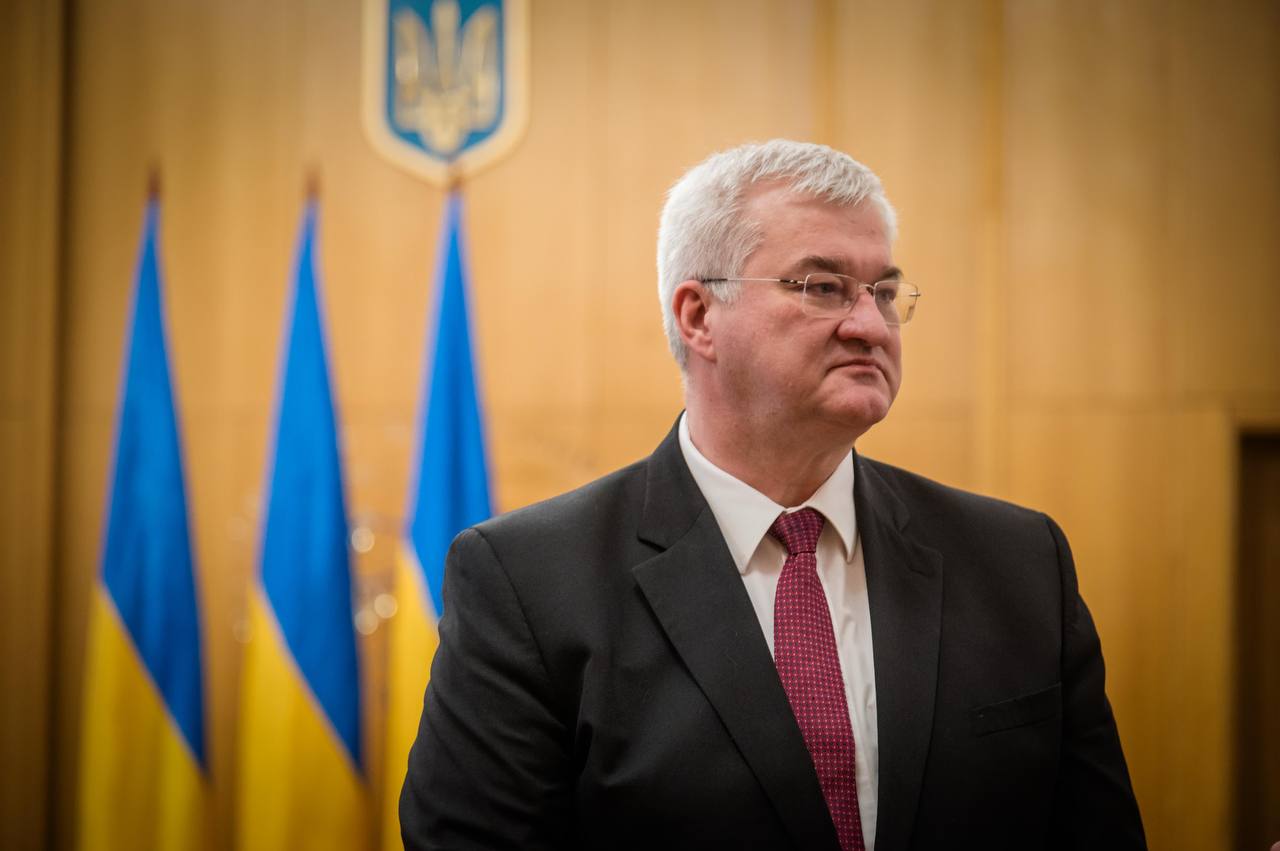
"This is my principled position as minister — to get rid of everything that can weaken Ukraine, to cut off everything that once connected us with the aggressor state, to build a serious, strategic and long‑term line of defense of the free world on Ukraine’s eastern border, and — better yet — even beyond it"
— Andriy Sybiha, Minister of Foreign Affairs
Which documents made the list
Of the 116 treaties, the MFA cites: one tripartite document (Kyiv–Minsk–Moscow), 5 agreements with Russia, 23 with Belarus and 87 within the CIS. Some of the acts concerned security cooperation (in particular provisions related to joint air defence systems are mentioned), others related to administrative‑legal regimes of cooperation.
Why this matters
This is not only a symbolic break: bringing the treaty‑legal framework into line with wartime reality has practical effects. Documents that formally established channels of cooperation with the aggressor state can create legal openings for influence or be used to the detriment of national interests. Eliminating such risks means reducing vulnerabilities in the security system and preparing the legal field for integration with European standards.
Context and next steps
This MFA move logically aligns with the presidential decrees of 25 February on withdrawal from a number of treaties (including on certain air defence systems and other military‑administrative mechanisms). Several initiatives have also been registered in parliament — in particular 14 bills that envisage terminating a further 74 international treaties.
At the same time, legally severing ties is a complex and gradual process. As the MFA noted, this requires careful follow‑up: technical resolution of property issues, procedural aspects, and coordination with international partners so as not to create new risks for citizens or for the state.
What this means for the reader
For each citizen the consequences are mostly indirect but fundamental: fewer legal loopholes for the aggressor, clearer alignment of international obligations with contemporary threats, and a step toward harmonisation with Euro‑Atlantic standards. This is part of systemic work intended to strengthen the state’s protection, even if in the media field it appears as "legal routine".
Conclusion
The MFA decision is not a self‑sufficient recipe for security, but an important element of a long‑term strategy: shedding risky legal links, synchronising with the European security architecture, and preparing institutions for new challenges. The key now is to ensure consistent legal implementation and international coordination so that declarations turn into real mechanisms for protecting the state.



