Foreign Ministry summons Hungarian diplomat after handover of prisoners — demand for consular access and questions of sovereignty
Ukraine demands immediate consular access and guarantees of freedom of choice for military personnel transferred by Hungary after Russian captivity; Budapest’s response will determine not only the fate of the people but also the standard of diplomatic interaction.

By Tetiana Suchkova-Ladik
March 5, 2026 · 2 min read
At the Foreign Ministry: the key — health and the right to choose
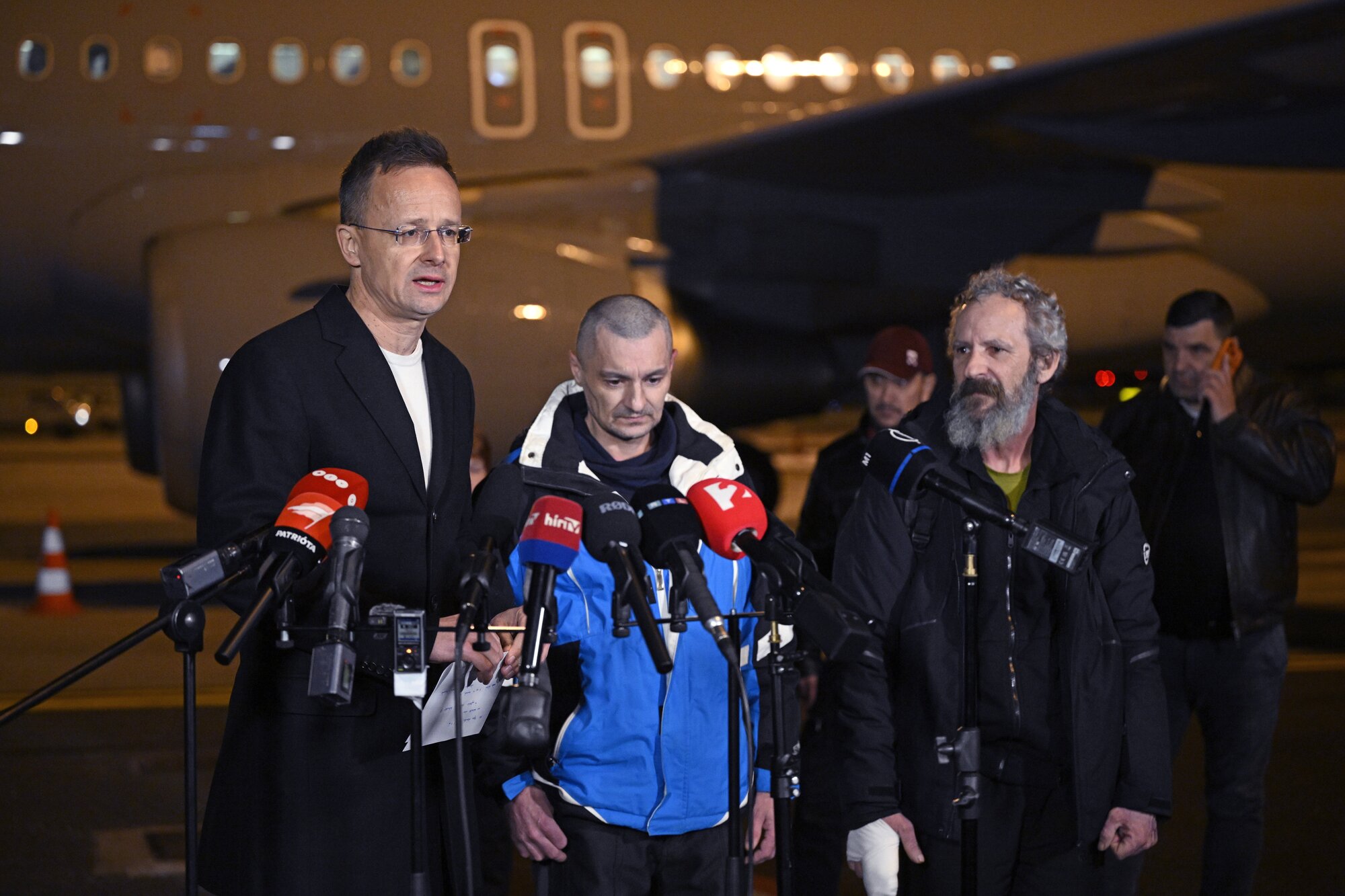
On March 5, the Ministry of Foreign Affairs summoned the acting chargé d'affaires of the Embassy of Hungary in Ukraine. The ministry's press service said the reaction was prompted by the transfer of several Ukrainian servicemen from Russian captivity to Hungary without prior coordination with Kyiv.
The Ukrainian side emphasized that such actions must not be turned into an instrument for political showmanship. For the state the priority is the return of people and guarantees of their physical and legal condition: the day before, on March 5, about 200 service members were also released in exchanges.
“The Ukrainian side reiterated the demand to ensure that the returned servicemen have the opportunity to contact Ukrainian consular staff to check their health, to receive consular assistance, and to guarantee the ability to freely determine their future without external pressure or coercion.”
— press service of the Ministry of Foreign Affairs of Ukraine
Context: Szijjártó's visit to Moscow and dual citizenships
On the previous day, March 4, the Hungarian foreign minister visited Moscow, where the issue allegedly concerned the release of persons with dual citizenship. Kyiv perceived the transfer without coordination as a destabilizing factor and insisted on immediate confirmation that those who were transferred would be granted consular access and a real freedom to choose their place of residence and their future path.
What this means diplomatically
Firstly, it is not only about individual cases — it is a test of international practice norms: whether a partner state will respect the rights of Ukrainian citizens and the status of their defenders. Secondly, without open coordination, such steps risk becoming an informational trump card in the hands of those who seek to break the unity of positions regarding the release of hostages.
The expected response from Budapest should contain specifics: when and how consular access will be provided, and written guarantees regarding freedom of choice for the transferred individuals. For now Kyiv is shaping its position through diplomatic channels and stresses the transparency of the procedure.
Finale: awaiting confirmations
The outcome depends on Hungary's steps: will it confirm that it stands on the side of people's rights, rather than staged information scenarios? Budapest's response will show whether consular norms remain an indisputable standard in the region, or whether they give way to political interests.



