Drone use in the south has nearly doubled — what this means for front-line logistics
Southern Defense Forces spokesman Vladyslav Voloshyn reported a jump in the use of loitering UAVs from roughly 300 to 550 per day and a daily record of 156 guided aerial bombs. Why this matters for supply-chain security and how to respond — briefly and to the point.

By Tetiana Suchkova-Ladik
March 25, 2026 · 2 min read
What happened
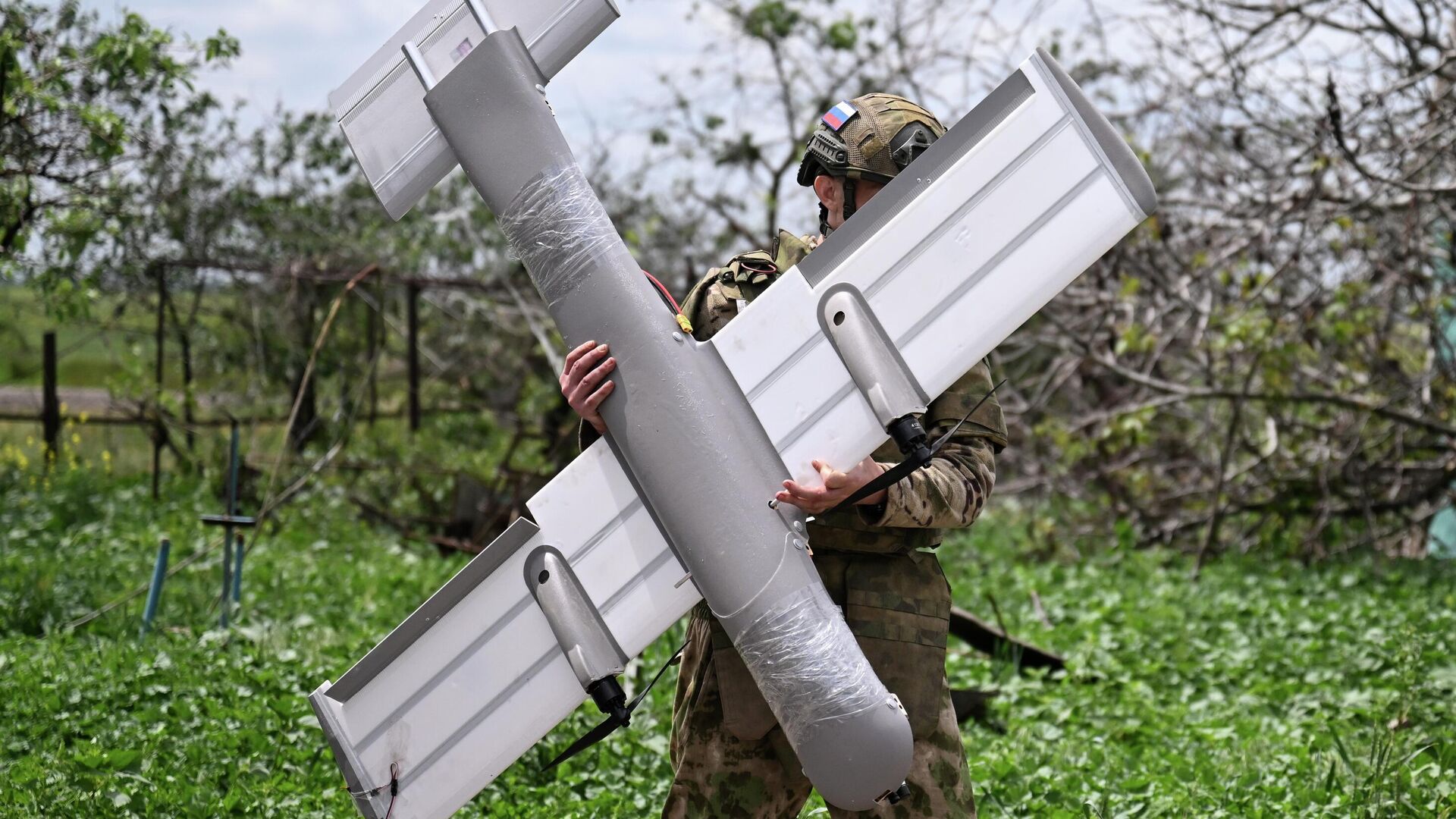
The spokesman for the Southern Defense Forces, Vladyslav Voloshyn, told LIGA.net that the occupiers have significantly increased the use of drones on the southern front, in particular loitering munitions of the "Molniya-2" and "Lancet" types. According to him, the daily number of UAVs used has grown from about 300 to approximately 550.
"The number of UAVs used daily is increasing overall, and in particular the number of loitering munitions of the 'Molniya-2' and 'Lancet' types. Right now we are recording 550. If two or three weeks ago it was about 300, now it is already 550"
— Vladyslav Voloshyn, spokesman for the Southern Defense Forces
Why it matters
An increase in loitering munitions means not only more strikes but also a change in the enemy's tactics. According to Voloshyn, the goal is to expand the kill zone, increase the strike range and hit our forces' logistics routes. At the same time, there is a rise in air strikes: in one day — a record 156 guided aerial bombs (KAB) used, which complicates movement and resupply of forces.
What this means for defense
First, the enemy is trying to seize the initiative through attritional strikes on supply routes — it is a blow not only to equipment but to the ability to maneuver quickly. Second, this combination of loitering UAVs and massed air strikes increases the need for a comprehensive response: electronic countermeasures, strengthened air defense at key logistics nodes, dispersal of depots and changes to supply routes.
Analysts and military experts emphasize: this is not only about the number of strikes, but about the desire to create persistent kill zones — and to force us to spend resources on defense rather than on the offensive.
Context
Earlier LIGA.net already examined how robotic kill zones work and how much they cost. Reports from March 17–20 also noted an increase in the intensity of the enemy's offensive actions, and on March 19 Voloshyn said that Russia does not plan to reduce activity on the southern direction and is replenishing its losses.
Conclusion
The increased use of "Lancet" and "Molniya-2" and record daily KABs is a signal: the enemy is trying to minimize our operational capabilities by attacking logistics. Defense is not only air defense but also adapting supply chains, developing electronic countermeasures and changing tactics. Now the move is with our partners and with the decisions that will turn these statements into concrete protection measures and a strengthening of defense.



