NABU: "Sigismund" Is Halushchenko. How $12.9 Million Was Laundered Through the Energy Sector and Why It Matters for the State
The National Anti‑Corruption Bureau has released video and evidence: a former energy minister, under the code name "Sigismund," allegedly maintained levers of influence and received about $12.9 million. We examine the scheme’s mechanics, its international traces, and the risks to taxpayers.

By Tetiana Suchkova-Ladik
February 19, 2026 · 3 min read
Putting emotions aside — sorting out the facts
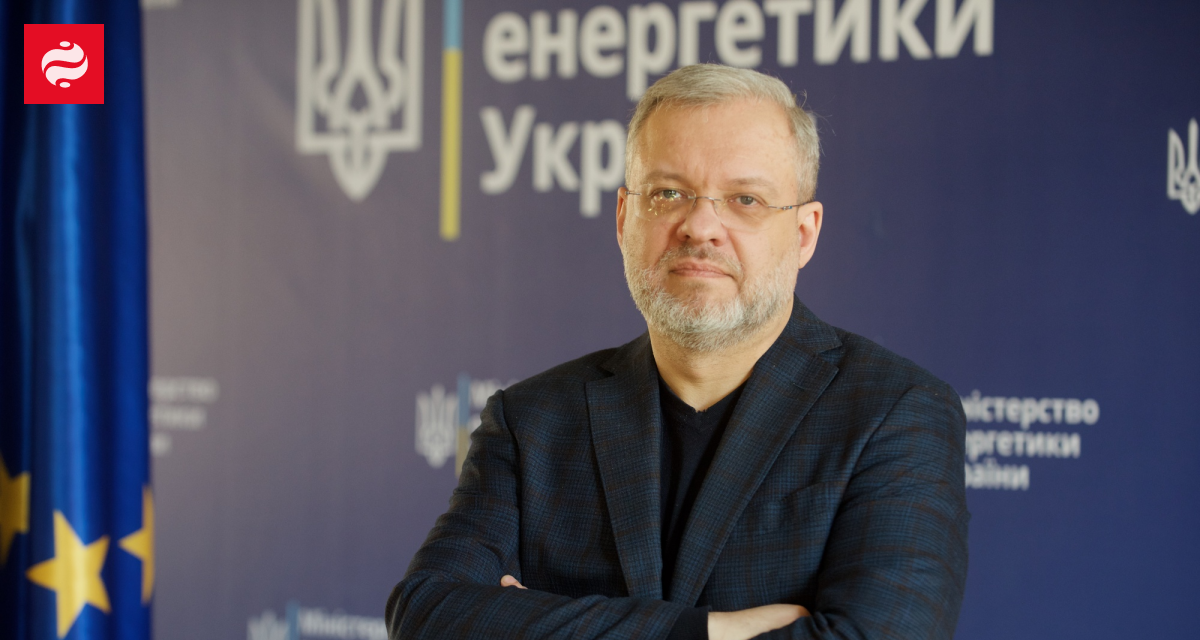
NABU published materials in the “Midas” case that feature a new code name — “Sigismund”. According to the investigation, this name conceals the former minister of energy and justice Herman Halushchenko. This is not just a nickname in the criminal record: it concerns a mechanism for allocating payments in a critical sector — energy — and international financial flows routed through offshore jurisdictions and Swiss banks.
What NABU claims
Detectives describe a scheme under the code name “Shlagbaum”, in which counterparties of the state-owned enterprise Energoatom allegedly paid kickbacks to receive settlements for completed contracts. The investigation has a version that part of these funds was directed to benefit the person under the pseudonym “Sigismund” — an amount of about $12.9 million for 2021–2025.
"Karlson, through ties in the highest bodies of state power, ensured the preservation of Sigismund’s key role and other persons under his control in the Cabinet of Ministers of Ukraine, as well as the external resilience of the criminal organization"
— NABU, press service
Scheme mechanics and international traces
According to the investigation, in 2021 a fund was established on the island of Anguilla with the aim of attracting up to $100 million in investments. Funding is referenced through nicknames: Shugarmen (Oleksandr Tsukerman) and Karlson (Timur Mindich). To conceal the former minister’s participation, three companies were registered in the Marshall Islands with ultimate beneficiaries listed as close relatives of the official; these companies became part of a trust structure and opened accounts in three Swiss banks.
NABU also reports a “black ledger” under the code name CMPLX, through which, according to the investigation, more than $112 million passed from 2021 to 2025 under certain ledger items. Part of the funds allegedly received by “Sigismund” were: $7.4 million to the accounts of two companies in the Marshall Islands and nearly $4 million — in cash in Switzerland.
"The evidence obtained indicates that Sigismund, while serving as minister of energy, received $7.4 million into the accounts of two companies registered in the Marshall Islands. Almost $4 million more were issued in cash in Switzerland"
— NABU, press service
Timeline of key events
November 10, 2025 — NABU conducted around 70 searches in an investigation into corruption in the energy sector. November 19, 2025 — the Verkhovna Rada dismissed Halushchenko from the post of minister of justice amid the scandal. February 15, 2026 — law enforcement officers detained the ex-minister while he was attempting to cross the border; the next day he was notified of suspicions of money laundering and participation in a criminal organization. February 17, 2026 — the High Anti-Corruption Court imposed a preventive measure: detention with an alternative bail of UAH 200 million.
Why this matters to each of us
This story has several dimensions of public interest: firstly, it is a question of financial discipline in the energy sector — delays or opaque deductions affect settlements with contractors and, ultimately, supply stability and state expenditures. Secondly, it is a test of effective law enforcement cooperation: the investigation was conducted with the participation of Switzerland, the Marshall Islands and about 15 other countries — the international traces confirm the transnational nature of the operations.
Energy market analysts note that corruption schemes in critical industries undermine investor trust and complicate management during infrastructure recovery. For taxpayers it is important to know not only the names but the mechanisms — so that the court process and restitution are transparent and conclude not with declarations but with concrete results.
What’s next
The next step is trial and international cooperation in enforcing decisions. Cases of this scale test institutions’ ability to prove involvement and return funds to the state. Now the ball is in the courts’ court and with those who helped move the money abroad; the public interest here is not sensationalism but a demand for accountability and restoration of trust in the system.
We will continue to monitor developments and explain complex legal and financial aspects simply and consistently.



