An award in response: Zelensky awarded Heraskevych the Order of Liberty after IOC disqualification
The President honored the skeleton racer for the "helmet of memory" — it was not only an act of support for the athlete but a clear signal about the values Ukraine brings to the international arena.

By Tetiana Suchkova-Ladik
February 12, 2026 · 2 min read
What happened
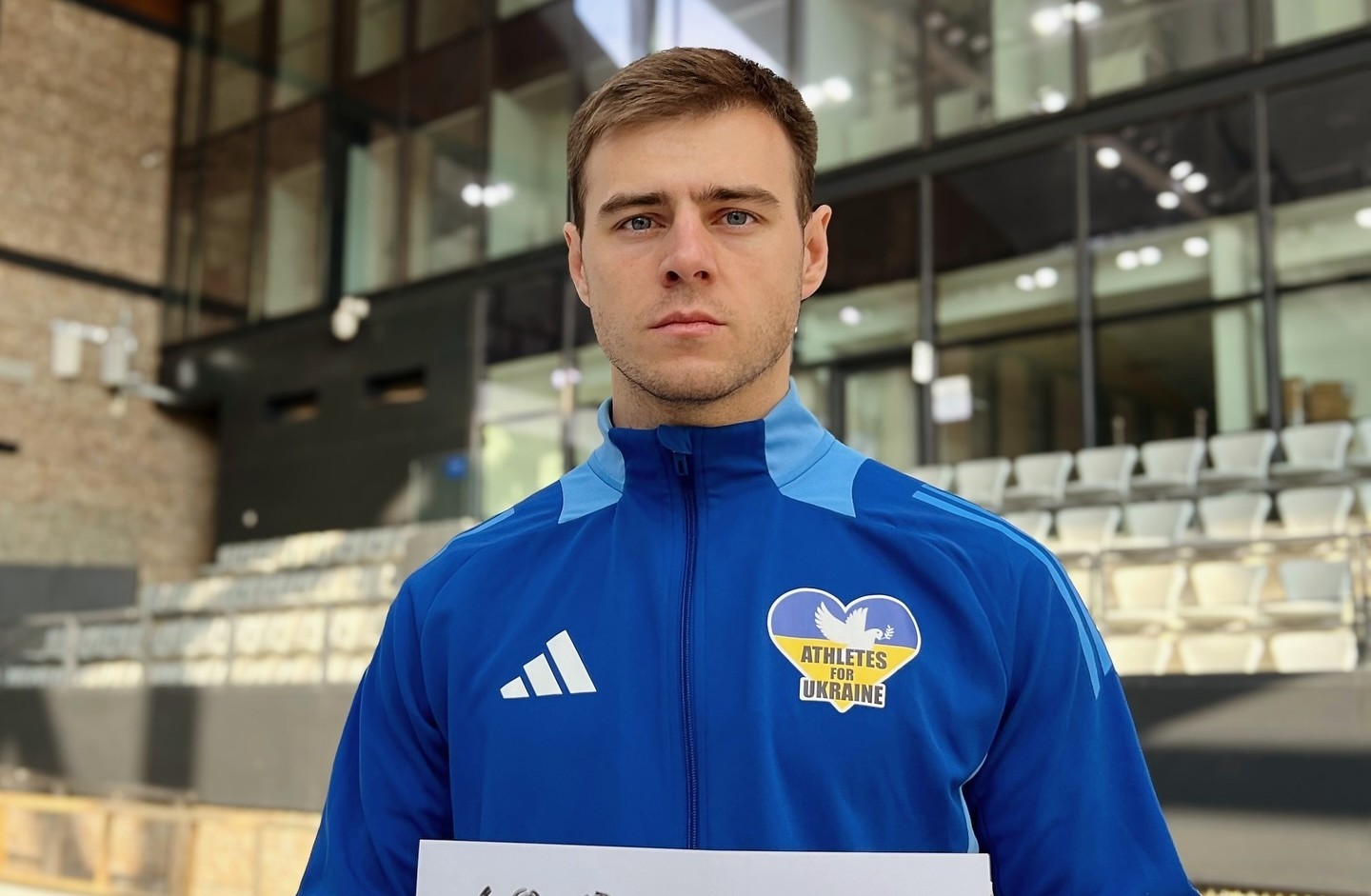
On 12 February 2026, by Presidential Decree No. 119/2026, Volodymyr Zelensky awarded Vladyslav Heraskevych the Order of Liberty. The decision appeared on the Office of the President’s website as a reaction to the athlete’s disqualification from the Olympic Games for wearing the so-called “memory helmet.”
Brief chronology
On 9 February Heraskevych reported that one of the IOC representatives had banned him from using a helmet bearing portraits of deceased Ukrainian athletes. The NOC of Ukraine appealed to the IOC asking to allow him to compete in that helmet. On 10 February the IOC allowed the use of a black band instead of the helmet, but on 12 February it decided on disqualification, explaining that the helmet “did not comply with the rules.”
Why it matters
The award is not only an act of solidarity with a single athlete. It sends a two-level signal: internally — support for national memory and morale during the war; externally — a challenge to international institutions over how Olympic rules are interpreted in the context of aggression against Ukraine.
In his statement Zelensky directly linked the issue to violations of international norms in past years and set out the factual scope of the conflict: during the years of the full-scale war 660 Ukrainian athletes and coaches have been killed, while 13 Russians are participating in the Games in Italy “under neutral flags.”
“Sport does not mean impunity, and the Olympic movement must help stop wars, not play into the hands of the aggressor.”
— Volodymyr Zelensky, President of Ukraine
“I thank our athlete for his clear stance. His helmet with portraits of fallen Ukrainian athletes — it is about honor and remembrance.”
— Volodymyr Zelensky, President of Ukraine
Context and possible consequences
Zelensky’s decision works for several audiences at once: for Ukrainian society it is a powerful symbol of support; for the IOC and the international community it is diplomatic and media pressure. The NOC of Ukraine has already appealed to the IOC; the state head’s award strengthens that appeal both politically and symbolically.
Analytically: the conflict around a single athlete highlights a broader question — how international sports institutions will balance formal rules with moral demands that arise during wartime. For Ukraine this is a test of how ready global organizations are to take the context of aggression into account when enforcing rules.
Conclusion
Heraskevych’s award is more than a personal honor. It is a public challenge and an invitation to discussion: can sports rules be neutral when lives and memory are at stake? The ball is now in the international institutions’ court — will they hear the message, or reduce the matter to a purely technical decision.



