Attack on a recruitment center employee in Vinnytsia region: attacker detained — what it means for security
On January 2, in the Raihorod community, an attack on a serviceman of the Territorial Recruitment Center ended with an arrest. A single incident or part of an alarming trend of attacks on mobilization points — we examine what risks this poses to the centers' operations and to personnel safety.

By Tetiana Suchkova-Ladik
January 2, 2026 · 2 min read
What happened
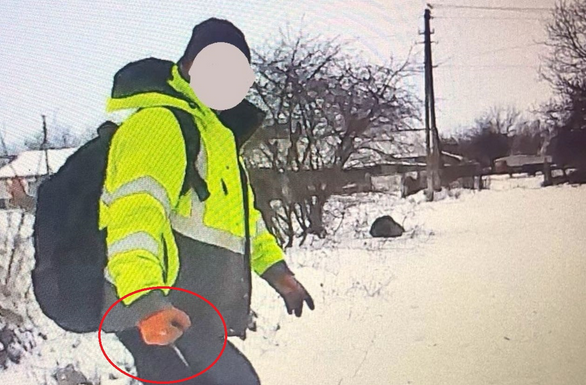
January 2 in the Rayhorod community of Vinnytsia Oblast a 46-year-old local resident attacked a serviceman of the Haisyn District Territorial Recruitment and Social Support Center. Employees of the TRC stopped the man to check his military registration documents; the attacker struck the serviceman on the leg with an object resembling an awl, then fled the scene. Law enforcement identified the attacker and detained him at his place of residence; the weapon was seized. A pre-trial investigation has been opened on the charge of an attempt on the life of a serviceman.
"The suspect has been detained, the weapon has been seized. The investigation is ongoing"
— Vinnytsia Regional Prosecutor's Office
Trend and context
This incident cannot be viewed in isolation. According to the prosecutor's office, almost two dozen attacks on employees of territorial recruitment centers were recorded in Cherkasy Oblast during 2025, sometimes involving the use of weapons. Similar incidents have occurred in other regions: on December 31 in Kharkiv a man fired a traumatic (non-lethal) weapon at a TRC serviceman; the victim was hospitalized and the attacker was detained.
Why this matters
War is not only the front line. The systematic work of mobilization and administrative services depends on how safely they can carry out their duties among the civilian population. Attacks on TRC staff undermine the inspection process, create risks for personnel and slow down critical procedures, which directly affects the operational capacity of the recruitment system. If personnel protection is not strengthened, both the effectiveness of recruitment and the community's trust in the procedures will suffer.
What's next
The investigation has classified the incident as an attempt on the life of a serviceman — if guilt is proven, the person faces punishment of up to 15 years or life imprisonment. Security analysts emphasize the need to strengthen security at mobilization points, implement clear instructions for field checks and develop mechanisms for immediate coordination with the police. Whether such measures will succeed in reducing risks to TRC employees and ensuring the stable operation of the mobilization process is a question that local authorities and law enforcement agencies must answer.



