Attack on "Aidar" fighters in Kamianske: two detained — the issue of soldiers' safety comes to the fore
One of the attackers used a firearm; two have been detained. The incident highlights a dilemma: how to protect off-duty military personnel and preserve trust in the justice system.

By Tetiana Suchkova-Ladik
February 21, 2026 · 2 min read
What happened
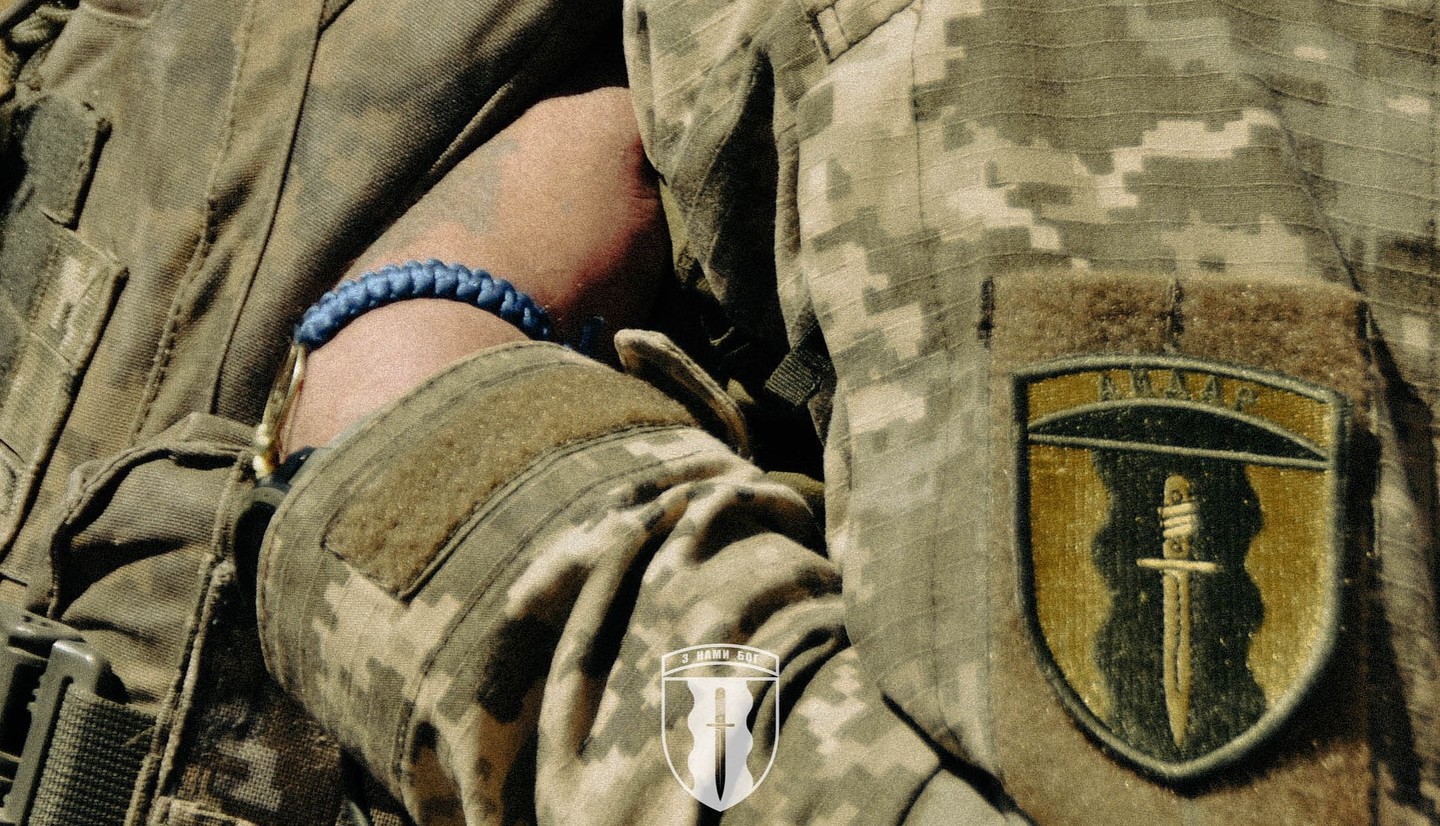
The 24th Separate Assault Regiment "Aidar" reported an attack on its servicemen in Dnipropetrovsk Oblast. According to the regiment and the National Police, the incident occurred on February 20 at around 16:00 in the city of Kamianske.
In an Aidar post it is stated that a group of six unknown persons attacked the servicemen, who at that time were off duty — attending to personal matters and not provoking anyone.
As a result of the conflict, one of the troops sustained an injury. The police detained two local residents, aged 37 and 42; according to the investigation, one of the detainees fired several shots in the direction of the servicemen. The men were notified of suspicion of hooliganism, and a decision on pretrial measures is currently being made.
"We must say plainly: attacking servicemen is dangerous and irresponsible. These are trained, experienced assault fighters who have the full legal right to defend themselves in case of a threat. During this incident the servicemen consciously did not use their weapons, although the law permits their use to repel an attack."
— 24th Separate Assault Regiment "Aidar"
Context and significance
The incident is important not only because of the act of violence itself. First, it's a matter of the safety of those who already defend the country: even off duty, servicemen must feel protected from civilian threats. Second, the case raises questions about the quality of law-enforcement response and the speed of the investigation — public trust and the morale of units depend on this.
This is not an isolated episode: a week earlier in Kyiv Oblast another high-profile attack involving a civilian and a serviceman occurred. The series of incidents indicates increased vulnerability at the interface of civilian and military life during prolonged mobilization and war.
What is important to know next
The key is to prevent such incidents from remaining only headlines. A prompt and transparent investigation is needed, an assessment of the detainees' actions within the criminal-legal framework and, if necessary, a review of public safety measures in places where servicemen gather.
A practical conclusion for officials: quick documentation of evidence and public communication about the steps of the investigation will help reduce the risk of vigilante justice and preserve discipline in the army. For society, this is a test of its ability to protect those who protect us.
Now the ball is in the court of human rights and law-enforcement institutions: will the reports and detentions turn into a full prosecution and just punishment — otherwise the risks of recurrence will remain.



