Tensions at the G7: Kaja Kallas put the US on the spot over pressure on Russia — what it means for Ukraine
At a G7 ministers' meeting there was a sharp exchange of remarks between European diplomat Kaja Kallas and Senator Marco Rubio. This is more than a diplomatic spat — arms supplies, energy stability, and the international strategy toward the Kremlin hinge on it.

By Tetiana Suchkova-Ladik
March 28, 2026 · 2 min read
Brief and important
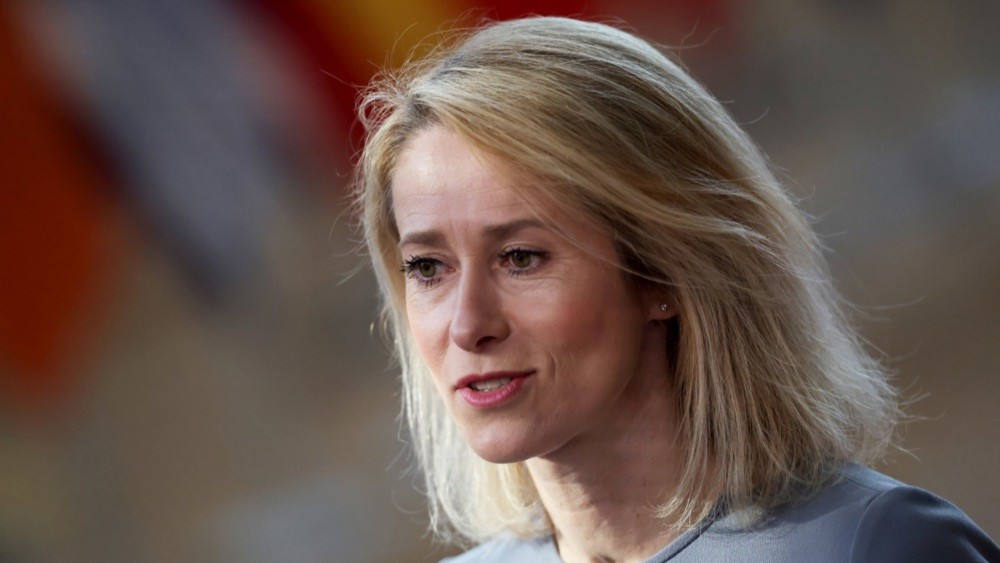
According to Axios, during the G7 foreign ministers' meeting in France there was a tense exchange of words between the EU's top diplomat Kaja Kallas and Senator Marco Rubio. It appears to be about a technical detail — a single phrase at the presidium — but its consequences directly affect Ukraine's interests: from political consensus on Russia to the speed of deliveries and the impact on energy prices.
What they argued about
Kallas, known for her support of a hard line toward Moscow, publicly asked when the U.S. would begin to step up pressure on Russia — implying that a year ago more decisive promises had been voiced. According to sources speaking to Axios, this provoked a sharp response toward the American delegation.
"We are doing everything we can to end the war. If you think you can do it better — go ahead. We'll step aside"
— Marco Rubio (quote via Axios)
Energy backdrop and consequences for Ukraine
The context is not trivial. The conflict in the Middle East, the temporary easing of U.S. sanctions on some oil shipments, and rising energy prices — all this puts pressure on European capitals. For Ukraine this means two practical risks: fiscal pressure from more expensive energy and uncertainty over coordinated deliveries of defense materiel.
What partners say
Sources say that after the sharp retort several European ministers intervened to de-escalate tensions and stress the need to continue diplomatic efforts. A State Department spokesman commented on the incident this way:
"It was an honest exchange of views. That's what diplomacy is for."
— State Department spokesman (via Axios)
After the meeting Rubio also spoke to the press and denied there had been acute tension in the room, saying such meetings are often dedicated to acknowledging the role of the U.S. in resolving conflicts.
Why it matters for Kyiv
This episode is a symptom of a broader problem: different expectations among allies about the pace and instruments of pressure on the Kremlin. For Ukraine the consequences are practical:
- decisions on new aid packages or their reallocation may depend on political consensus;
- energy shocks affect the budget and social stability;
- diplomatic imbalance opens the field to Russian disinformation and attempts to split the coalition.
Conclusion
This scene in the G7 hall is not a sensation, but an indicator: partners have different ideas about the pace and instruments of pressure on Russia. For Ukraine this is both a challenge and an opportunity — it must be ready for geopolitical fluctuations and for operational diplomacy: to argue for weapons, energy and security guarantees with concrete proposals and timelines. If diplomacy is the art of the possible, Kyiv now must turn partners' words into signed decisions and tangible flows of assistance.
"Now it's up to the partners: declarations must turn into signed contracts and clear delivery schedules."
— analytical summary by RazomUA



