NATO Launches Arctic Sentry Mission: Why It Matters for European and Ukrainian Security
Reuters: The Alliance is preparing to step up surveillance in the Arctic — a decision that bolsters deterrence against Russia and has indirect implications for Ukraine's security. We examine what is known and why this matters now.

By Tetiana Suchkova-Ladik
February 9, 2026 · 2 min read
What’s happening
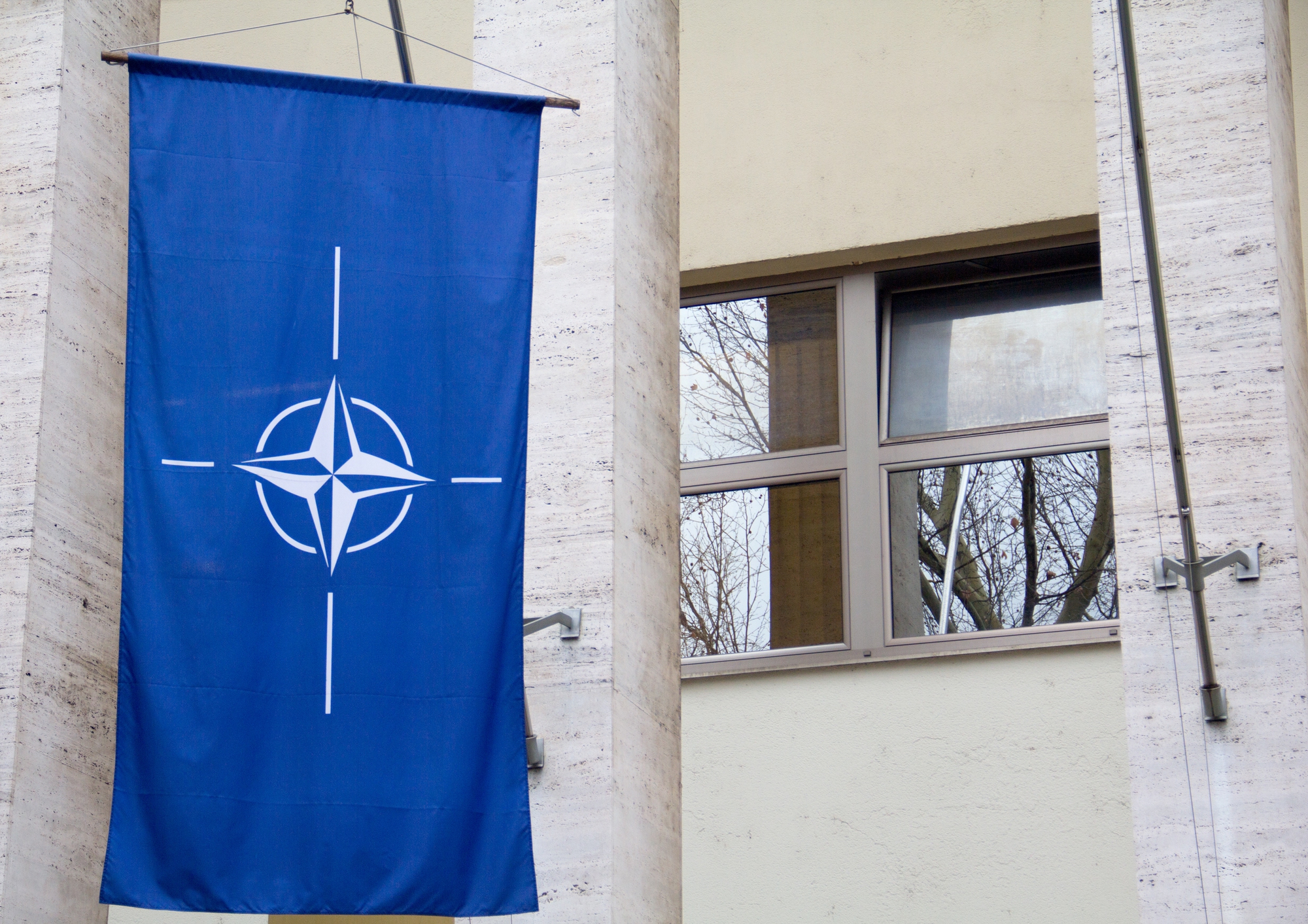
According to Reuters, NATO is preparing to announce the launch of the Arctic Sentry mission within days. The information is confirmed by five agency sources: three European diplomats, one military official and one informed person. The announcement could take place during a meeting of the Alliance’s defense ministers in Brussels.
The Alliance’s position
According to diplomats, the mission is intended to strengthen surveillance and rapid-response capabilities in the region — from exercises to the deployment of additional ships and air platforms, including drones. At the same time, Arctic Sentry is expected to focus more on making better use of existing resources than on a massive buildup of forces.
"This is part of the Alliance’s efforts to further strengthen our deterrence and defence in the region, especially given Russia’s military activity and China’s growing interest in the Far North."
— An unnamed NATO official
"If the briefing goes well... we might have something we can announce later this week about how we will move forward on this."
— Alexus Hrynkevich, Supreme Commander of NATO Allied Forces in Europe and head of the U.S. European Command
Why it matters for Ukraine
At first glance the Arctic seems far from Eastern Europe. However, NATO’s strengthening of its northern axis has several key implications for Ukraine. First, it is a signal of Alliance unity after diplomatic tensions related to the Greenland episode: joint operations and better coordination make overall deterrence against Russia more consistent.
Second, the development of surveillance systems, logistics and intelligence sharing in the Arctic increases allied forces’ operational integration, which could ultimately enhance NATO’s ability to respond also in the Black Sea and eastern directions.
Context and risks
According to Reuters, mission planning is in its final stages, but a final decision has not yet been made — military planners are analysing options. The initiative is in part a response to tensions between the U.S. and allies that arose after the dispute over Greenland.
Separately: at the end of the month President Zelensky expressed concern that geopolitical crises can be used to make political decisions regarding territorial claims. This is a reminder that local conflicts can have indirect consequences for Ukraine’s security and the international order.
Brief conclusion
Arctic Sentry is not a purely symbolic initiative. According to Reuters, it combines concrete surveillance and exercise steps with an aim to make the Alliance more effective in the northern region. For Ukraine it is important to monitor whether this will lead to more resilient coordination among allies in a broad sense, or whether it will divert attention and resources from the eastern flank. Next up are the ministers in Brussels — will the plans be turned into concrete action, and how will that affect regional security?



