Navrotskyi urges Poland to move toward nuclear capability — a signal for regional security
Poland’s President Karol Nawrocki voiced the idea of a gradual move toward nuclear capability against the backdrop of Russia’s “aggressive” behavior. This is not just a domestic political step — the decision has implications for NATO, Europe, and the security of Ukraine.

By Tetiana Suchkova-Ladik
February 15, 2026 · 2 min read
Briefly
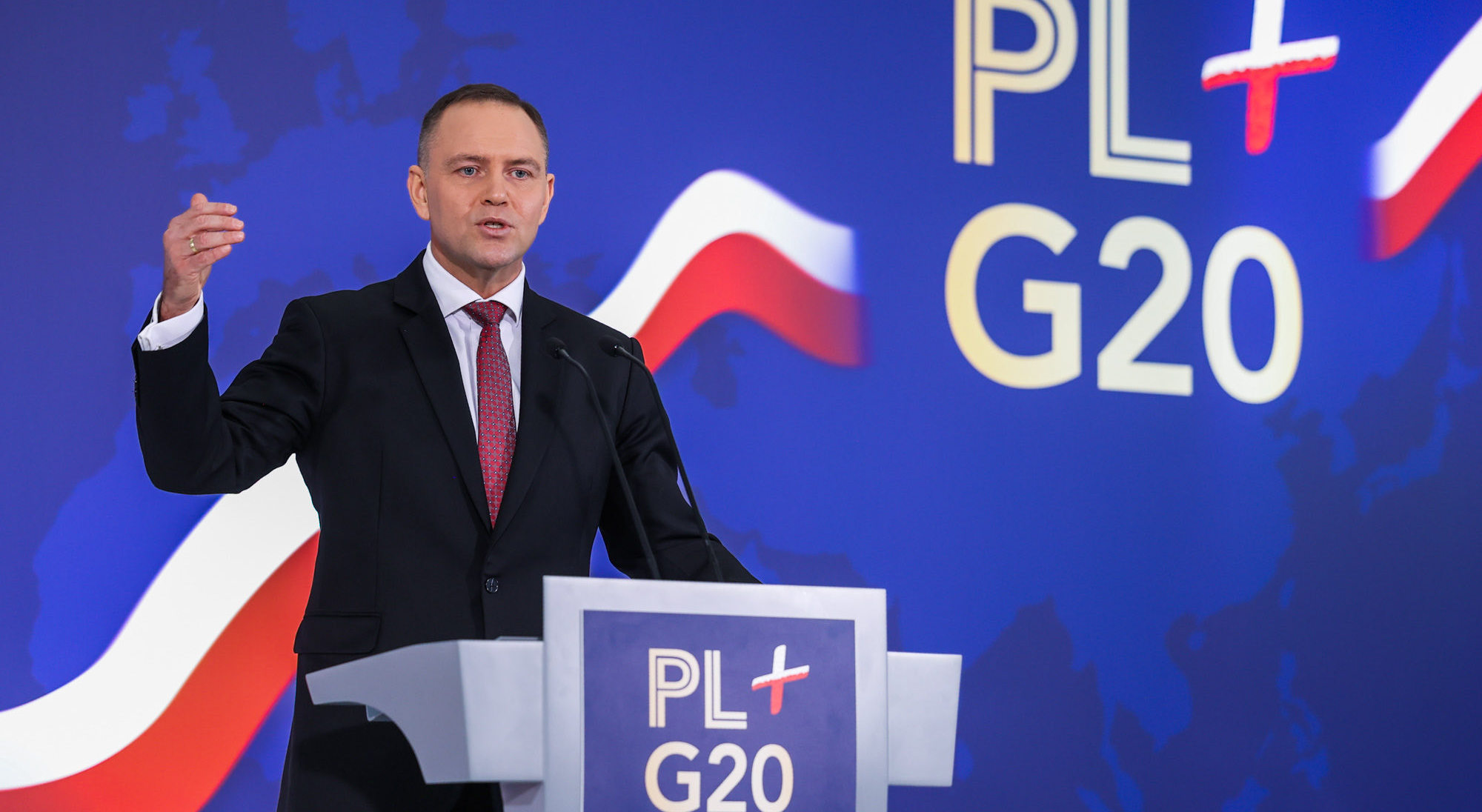
In an interview with Polsat News, the president of Poland, Karol Nawrocki, said the country should "move toward obtaining nuclear weapons" and begin preparatory work in that direction "while observing all international norms." He motivates his position by portraying Russia as an aggressive and "imperial" actor that is placing Poland "on the brink of armed conflict."
"This path, while observing all international norms, is the path we must follow. We need to act in this direction so that we can begin the work"
— Karol Nawrocki, president of Poland (interview with Polsat News)
Context and consequences
The statement comes against the backdrop of several important signals: according to Bloomberg, Europe is considering options for creating its own nuclear deterrence mechanism; a February 10 poll indicates that about half of Poles support restoring mandatory service. Taken together, this forms a discussion about new approaches to security in the region.
A decision to move toward a nuclear capability is not made quickly: it is a matter of technology, years of investment, legal obligations, and risks of escalation. Nawrocki emphasizes the desire to act within international norms, but the reality is more complicated: any initiative of this level would immediately trigger a diplomatic reaction and require coordination with allies.
"Russia may react aggressively to anything"
— Karol Nawrocki, president of Poland (interview with Polsat News)
What this means for Ukraine
For Ukraine this is a two-sided signal. On one hand, the strengthening of a neighbour's defensive rhetoric is an expression of fear of further Russian aggression and a desire for more effective deterrence; on the other hand, it is a potential risk of a regional arms race that would complicate diplomatic efforts toward stabilization. Analysts warn that without coordination within NATO and the EU, such steps could undermine the unity of the alliance needed to support Ukraine.
Nawrocki's stance also intensifies the debate about how Europe can bolster its own deterrence mechanism without definitively breaking with international non-proliferation treaties. This is a question to which partners must provide a measured answer — diplomacy and investments in defence.
Conclusion
The Polish president's statement is an important signal for security in Eastern Europe. It raises a number of practical questions: is Poland technically and politically ready for such a step, how will allies in NATO and the EU react, and what consequences will this have for Ukraine. The discussion is just beginning — it is now important that declarations be transformed into clear policies coordinated with partners, not impulsive decisions that increase the risks of escalation.



